


The U.S.-Iran war's disruption of Strait of Hormuz shipping has depleted crude and refined-product inventories, driving refining margins and free cash flow higher for Valero, Phillips 66, and Marathon Petroleum.
The U.S.-Iran war's disruption of Strait of Hormuz shipping has depleted crude and refined-product inventories, driving refining margins and free cash flow higher for Valero, Phillips 66, and Marathon Petroleum.
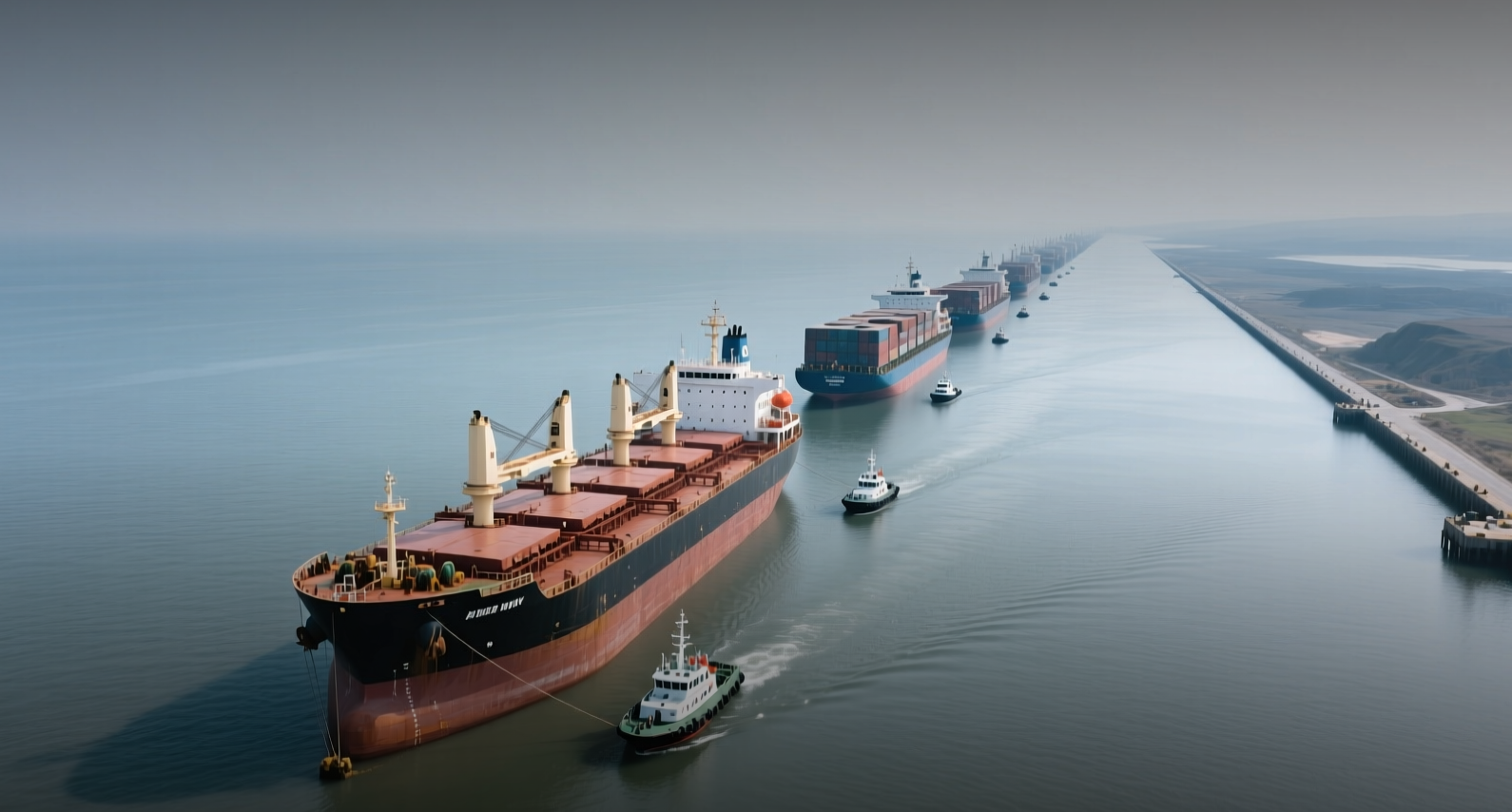
Brent crude above $95, up more than 30 percent since the U.S.-Iran war began in February, has depleted fuel inventories and pushed refining margins to multi-year highs, lifting independent refiners Valero Energy, Phillips 66, and Marathon Petroleum.
"The impact on the global energy trade has been huge," Rob Thummel, senior portfolio manager at Tortoise Capital, said. "Crude oil, diesel, and jet fuel supplies are depleting, and refiners are seeing a surge in free cash flow."
Valero has surged 123.8 percent year to date, while the Energy Select Sector SPDR Fund is up 45 percent. Roughly 5 million barrels per day of global refining capacity sits offline, and light-product inventories are about 130 million barrels below normal seasonal levels, according to Valero management.
The supply crunch traces to the Strait of Hormuz, which carried about a fifth of the world's traded oil before the U.S.-Iran conflict began Feb. 28. Iran largely shut the waterway in response, and while the U.S. Navy has helped escort nearly 1,500 commercial vessels carrying some 750 million barrels through in recent months, traffic remains far below prewar levels.
Refiners Convert Product Scarcity Into Cash
The war's toll on product supplies has created a rare environment for independent refiners: crude prices elevated but product prices rising faster, widening crack spreads. Valero processed about 2.95 million barrels per day in the second quarter while generating adjusted refining operating income of $16.56 per barrel, with operating expenses falling to $4.70 per barrel from $4.91 a year earlier.
Phillips 66 reported 96 percent crude-capacity utilization and an 86 percent clean-product yield in the second quarter, with refining adjusted controllable costs at $5.57 per barrel, close to its 2027 target of $5.50. Marathon Petroleum reported refining operating costs of $5.72 per barrel in the second quarter, above the $5.34 a year earlier on planned Mid-Continent downtime, but expects costs to moderate to $5.60 in the third quarter.
The last comparable supply shock came in 2022, when Russia's invasion of Ukraine pushed Brent above $120 and U.S. gasoline prices to record highs. Refiners then also captured outsized margins, though the current conflict has a distinct feature: the Strait of Hormuz closure directly constrains both crude and product flows, creating a tighter bottleneck than the 2022 European supply disruption.
Even Washington's recent deal for 100-year concessions on 17 Venezuelan oil fields covering roughly 65 billion barrels of proven reserves does little to ease the near-term constraint. Valero, the largest U.S. consumer of Venezuelan crude, told analysts on July 30 that it expects processing rates to exceed its historical maximum, a sign that Gulf Coast coking capacity is already stretched thin.
How Long the Chokehold Lasts
The national average for regular gasoline stood at $4.08 per gallon as of Aug. 24, up 2.1 percent from a month earlier, while WTI crude closed at $83.90 on Aug. 25, well below its $114.58 April peak. The gap between crude and product prices is where refiners earn their keep, and that spread remains wide.
Iran's currency hit a record low Wednesday, with traders in Tehran exchanging 2.20 million rials for one U.S. dollar, a 10 percent drop from last week's record. President Donald Trump said he would not force Iran to the bargaining table, writing on social media that "I like our position now much better, with almost total control of the Hormuz Strait."
For investors, the question is how long the chokehold persists. A ceasefire deal reached in June quickly collapsed, and mediator Pakistan has been working to restart talks. If the conflict drags through year-end, refiners with Gulf Coast coking capacity — the type needed to process heavy crude — stand to capture sustained margins. If a truce materializes, product inventories will rebuild and margins will normalize, though the roughly 130-million-barrel deficit suggests that process would take months.
This article is for informational purposes only and does not constitute investment advice.
