
Three Chinese smartphone brands raised flagship prices up to 1,000 yuan on the same day, driven by component cost inflation.
Three Chinese smartphone brands raised flagship prices up to 1,000 yuan on the same day, driven by component cost inflation.
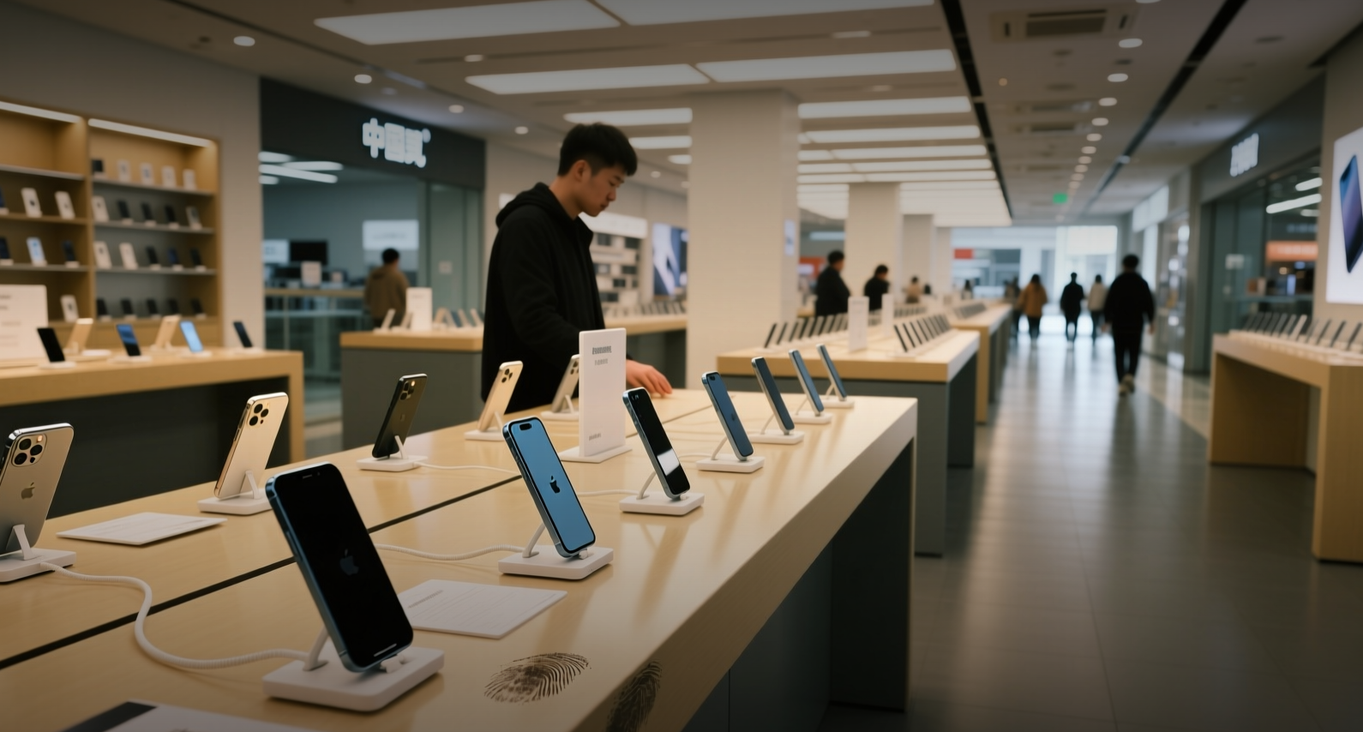
Huawei, Xiaomi, and Honor raised prices on flagship models by up to 1,000 yuan on Sept. 1, as Qualcomm's double-digit chip price increase and months of memory chip inflation squeeze margins across China's smartphone industry.
Huawei customer service said the adjustment reflects "significant fluctuations in key material market prices" that pushed overall production costs higher. Xiaomi cited "continuously rising procurement costs for core components," while Honor framed the move as a standard market adjustment based on supply-demand dynamics.
Huawei's Mate 80 series rose 500-1,000 yuan depending on storage configuration, with the 1TB Pro Max now at 9,999 yuan. Xiaomi's 17 series added 300-500 yuan, and Honor's Power2 line jumped 500-600 yuan, with the 12+256GB variant climbing from 2,699 to 3,199 yuan. Even Huawei's budget Changxiang 90 Pro Max rose 200 yuan.
The synchronized adjustment — announced with no transition period — means consumers should expect higher pricing across the Chinese smartphone market for the next several quarters. Component costs show no signs of easing, and September's new flagship launches from Apple and domestic brands will likely carry elevated price tags.
The cost pressure traces to two primary sources. Qualcomm confirmed a September price increase across its full chip lineup, with industry reports pointing to double-digit percentage hikes on flagship Snapdragon processors. Memory and storage chips have also been climbing for months, with suppliers including SK Hynix and China's ChangXin maintaining elevated pricing despite earlier forecasts of a slowdown.
For the three brands, the math is straightforward. A flagship smartphone's bill of materials typically allocates 20-30 percent to the application processor and another 10-15 percent to memory and storage. When both components rise simultaneously, the combined impact can add 300-800 yuan to the cost of a single device — too much for any manufacturer to absorb without touching retail prices.
The synchronized nature of the increases is notable. Huawei, Xiaomi, and Honor compete aggressively on price, and any single brand raising prices unilaterally would risk losing market share. The fact that all three moved simultaneously suggests the cost pressure is systemic rather than company-specific.
For consumers, the implications are straightforward: the era of sub-3,000 yuan flagship phones is ending. Honor's Power2, once positioned as a value play at 2,699 yuan for the 12+256GB variant, now starts at 3,199 yuan. Xiaomi's 17 series, which has anchored the company's premium push, carries a 300-500 yuan premium across the lineup.
The price increases also create a competitive opening for Apple, whose iPhone 16 series pricing remains unchanged. With domestic flagships now approaching or exceeding 10,000 yuan at the top end, Apple's premium positioning becomes relatively more competitive in the Chinese market.
For investors, the impact is mixed. Xiaomi (1810.HK) could see revenue per unit rise even if volumes dip, potentially supporting margins in the short term. But sustained price increases risk dampening consumer demand in a market where smartphone replacement cycles have already stretched to 3-4 years. Huawei's return to the high-end segment with the Mate 80 at nearly 10,000 yuan signals confidence in its brand strength, but it also tests consumer willingness to pay premium prices for domestic hardware.
The September new product cycle will be the first real test. Apple's iPhone launch, followed by new flagship releases from all three Chinese brands, will show whether consumers accept the new pricing reality or hold off on upgrades. Early signals suggest many are choosing to wait.
This article is for informational purposes only and does not constitute investment advice.
