
China's electric truck exports to Asia more than doubled to 16,823 units in the four months after the Iran war began, as fuel-price spikes shortened the payback on battery-powered fleets.
China's electric truck exports to Asia more than doubled to 16,823 units in the four months after the Iran war began, as fuel-price spikes shortened the payback on battery-powered fleets.
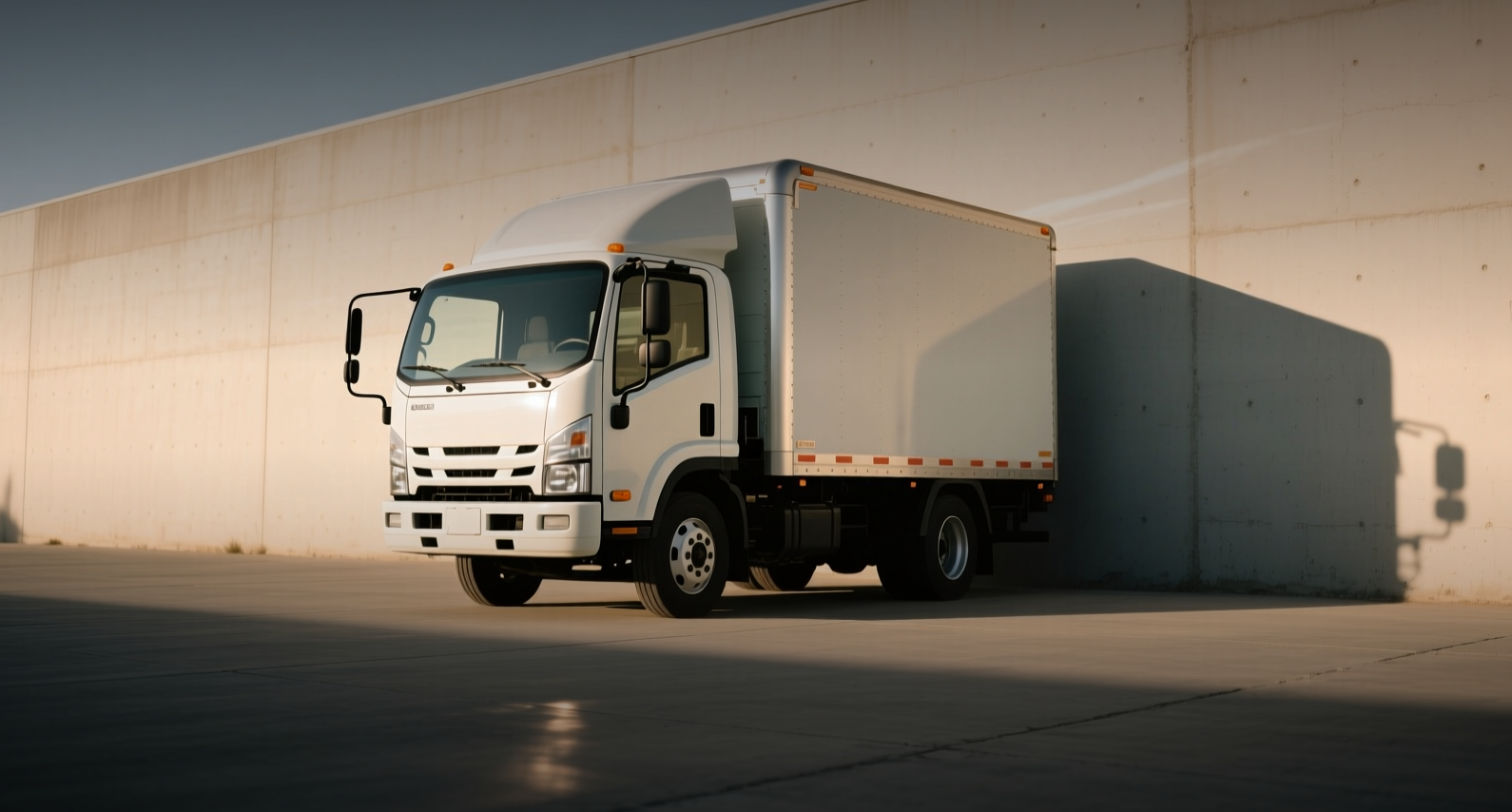
China's electric truck exports to Asia more than doubled to 16,823 units in the four months after the Iran war began, as fuel-price spikes shortened the payback on battery-powered fleets.
China's electric truck exports to other Asian countries more than doubled to 16,823 units in the four months after the Iran war began, as diesel-price spikes from the Strait of Hormuz closure accelerated regional electrification. Half of the shipments went to South and Southeast Asia, with South Asia exports up more than fivefold and Southeast Asia nearly tripling, according to Reuters.
"The war has opened the door to these new markets," Zhaoting Yue, vice president of international marketing at Sany, the world's biggest maker of electric heavy trucks, said.
Diesel prices have jumped 48 percent in Sri Lanka and 57 percent in the Philippines since the war started Feb. 28, per GlobalPetrolPrices.com, while the fuel is 15 percent higher in China, government data shows. South and Southeast Asia depend heavily on Middle East oil, making them among the most exposed to Iran's closure of the shipping lane.
If growth is sustained and follows the arc of China's domestic adoption — where e-trucks went from almost zero in 2021 to 30 percent of truck sales last year, with 140,000 sold in the first half of this year — it could make a notable dent in diesel consumption and carbon emissions across the region.
The conflict has compressed the economics of switching to battery power. Before oil prices rose, buyers in South and Southeast Asia needed 28 months to recoup their investment in an electric heavy truck; now it takes only 18 months, Sany's Yue said. The company, which previously focused on Europe, is pivoting to Southeast Asia and developing cheaper models, shipping its largest single order of 880 heavy trucks in June.
Sany expects the war to sustain rapid growth for at least the next year, particularly in Asia, Africa and Latin America, Yue added. The push contrasts with the slower rollout of larger e-trucks in the United States and Europe, where electric delivery vans are mainstream but Tesla has dropped its goal of "volume production" of its Semi by this year.
By not burning diesel, China's e-truck fleet will save the equivalent of 141 million barrels of oil this year — more than 3 percent of China's total and equal to all its imports from Kuwait — according to the Centre for Research on Energy and Clean Air. Exports in the first half replaced fuel at an annual rate of 1.6 million barrels, the Helsinki-based center estimates.
Hurdles remain, including higher purchase prices and gaps in charging infrastructure. In Australia, an e-truck costs about A$500,000 ($350,000), twice the diesel equivalent, though fuel savings cut operating costs by as much as 70 percent even before the war, said Daniel Bleakley, co-founder of Australian electric trucking firm New Energy Transport. Sany is selling customers systems to generate and store power alongside its chargers to close the infrastructure gap.
The rapid adoption of Chinese electric passenger cars in many markets will also help expand charging networks and support truck uptake, said CREA co-founder Lauri Myllyvirta. "High fuel prices are going to focus minds and get businesses to move fast," he said. For Chinese commercial EV makers such as Sany and BYD, the war-driven demand shift offers a revenue tailwind in developing Asian markets that could lift export forecasts through 2027.
This article is for informational purposes only and does not constitute investment advice.
