

Key Takeaways:
- Aurora reported Q2 revenue of $2M as it began commercial scaling
- The company plans to operate 200 driverless trucks by year-end
- Aurora Driver 2 cuts hardware costs by more than 50%
Key Takeaways:
Aurora Innovation reported second-quarter revenue of $2 million, marking the start of its commercial scaling phase for driverless trucking as it signed new customer agreements and launched its second-generation Aurora Driver platform.
"The second quarter represented a meaningful leap forward in our path to scale," Chris Urmson, co-founder and chief executive officer at Aurora, said on the earnings call. The company has completed nearly 440,000 driverless miles through June with 100% on-time performance and no Aurora Driver-attributed collisions, he said.
Aurora posted an operating loss of $266 million for the quarter, including $60 million of stock-based compensation. Research and development expense, excluding stock-based compensation, totaled $164 million, while selling, general and administrative expense came in at $37 million. The company used approximately $225 million in operating cash and spent $31 million on capital expenditures. Aurora ended the period with nearly $1.2 billion in cash and short-term investments after issuing 30 million Class A shares through its at-the-market program, generating $215 million in net proceeds.
The company reaffirmed its 2026 revenue guidance of $14 million to $16 million, with more than half expected in the fourth quarter as its new fleet scales. Aurora expects to exit the year with more than 200 driverless trucks, representing an approximately $80 million Transportation-as-a-Service revenue run rate. The company anticipates average quarterly cash use of $190 million to $220 million during 2026, including about $150 million of full-year capital expenditures tied to its capacity plan.
Customer agreements and fleet expansion
Aurora signed Transportation-as-a-Service agreements with Charger Logistics and Value Truck during the quarter. Charger Logistics plans to use Aurora Driver-powered trucks on the Dallas-to-Laredo route, while Value Truck will operate on Dallas-to-Laredo and Fort Worth-to-Phoenix corridors. Volvo Autonomous Solutions also launched commercial freight service using the Aurora Driver for DSV and AVI-SPL.
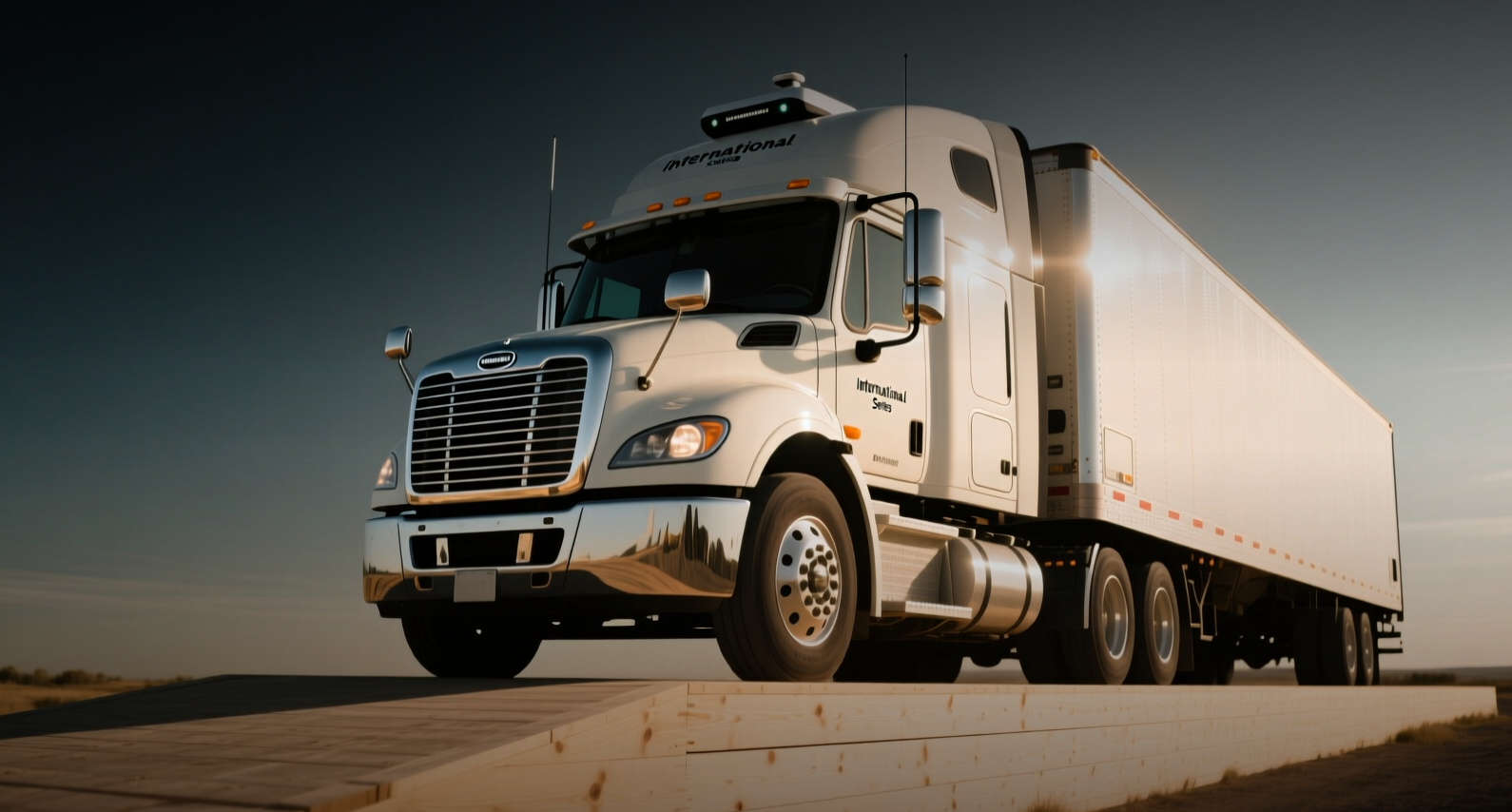
The company has begun deploying its new fleet of driverless International LT Series trucks and expects to have 20 to 25 in operation by the end of the third quarter. Upfitting partner Roush has started manufacturing at a dedicated Aurora facility and is expected to reach an annual production run rate of 1,000 trucks by October. Volvo Autonomous Solutions plans to begin driverless operations of Volvo VNL Autonomous trucks powered by the Aurora Driver in the first quarter of 2027, targeting more than 300 driverless trucks by year-end 2027 and $3 billion in autonomous revenue within five years.
Second-generation hardware and cost reduction
Aurora Driver 2, the company's second-generation platform, combines new software with commercial hardware engineered for 1 million miles of operation. The system is expected to reduce Aurora Driver hardware costs by more than 50%, supporting gross-margin objectives. The hardware includes a more efficient computer and an extended 1-kilometer range for Aurora's FirstLight frequency-modulated continuous-wave lidar, providing more than 34 seconds of reaction time at highway speeds.
Aurora is also working with AUMOVIO on third-generation hardware intended to support tens of thousands of trucks, with production planned for the second half of 2027. PACCAR and Aurora are defining a path to integrate the third-generation kit into PACCAR's future autonomy-enabled truck platform.
Regulatory progress
California has joined other states in permitting driverless truck deployment, and Aurora has submitted an application to begin required driver testing in the state. At the federal level, the U.S. House Transportation and Infrastructure Committee approved the BUILD America 250 Act in May, which includes a framework for nationwide autonomous-truck deployment.
The guidance raise signals management expects commercial adoption to accelerate as the fleet scales. Investors will watch the Q3 operational update for progress on the 200-truck target and the transition from Transportation-as-a-Service to the higher-margin Driver-as-a-Service model beginning in 2027.
This article is for informational purposes only and does not constitute investment advice.
