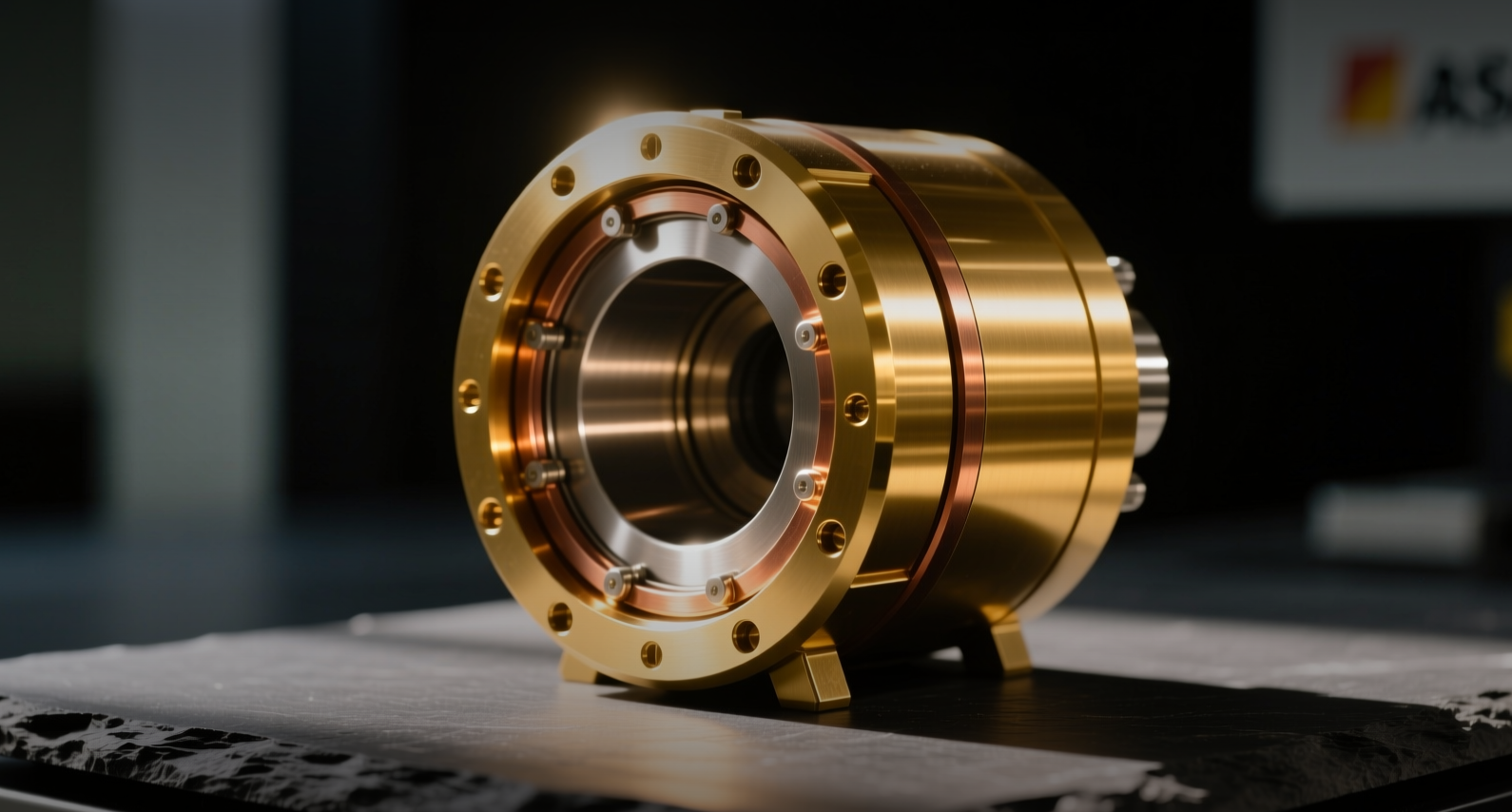
ASML's monopoly on extreme ultraviolet lithography makes it the single most important supplier in the AI chip supply chain.
ASML Holding's dominant position in extreme ultraviolet lithography, reinforced by next-generation High-NA systems, positions the Dutch company as the primary beneficiary of surging AI-driven semiconductor demand. The company's machines are essential for producing the world's most advanced logic and memory chips used in artificial intelligence, high-performance computing and data centers.
"ASML's EUV technology has no viable substitute at the leading edge, and High-NA extends that advantage through the next several process nodes," said Rachel Kim, semiconductor analyst at Edgen. "Every major AI chip — from Nvidia's GPUs to custom ASICs — depends on ASML lithography for production."
High-NA EUV systems raise the numerical aperture to 0.55 from 0.33 in earlier EUV machines, enabling smaller transistor patterns that deliver higher density and improved performance per watt. Intel is among the earliest adopters of the technology, while SK Hynix has indicated plans to integrate High-NA systems into its memory manufacturing roadmap. The systems are designed to support production at the 2nm node and beyond, where traditional lithography approaches hit physical limits.
ASML shares have gained 68.9% year to date, trading at 36.83 times earnings — a premium to the semiconductor equipment industry average of 35.13. The valuation reflects expectations that rising AI infrastructure investment will sustain demand for advanced lithography systems. KLA Corporation, which leads the semiconductor process control market, and Applied Materials, which recently introduced new technologies for 2nm gate-all-around transistors and high-bandwidth memory, are also positioned to benefit from the same spending cycle.
The competitive moat around ASML's business stems from decades of research, an extensive patent portfolio and a deeply integrated network of specialized suppliers that would take years for any competitor to replicate. Demand for EUV systems is expected to increase as chipmakers push toward higher transistor densities required for next-generation AI workloads. The company's High-NA systems represent the only commercially available lithography solution capable of printing the sub-10-nanometer features needed for advanced AI accelerators and high-bandwidth memory stacks.
For investors, the key question is whether ASML's premium valuation can be sustained as the company scales High-NA production. The stock's 68.9% year-to-date gain already prices in significant growth from AI-related chip demand. Any slowdown in semiconductor capital expenditure from major customers such as TSMC, Samsung or Intel could pressure the shares. However, with AI infrastructure spending projected to remain elevated through at least 2027, ASML's position as the sole EUV supplier provides a revenue visibility that few equipment peers can match.
This article is for informational purposes only and does not constitute investment advice.