WTI Crude Price Gains 5% to Hit $94.89
West Texas Intermediate (WTI) crude oil prices increased 5.0% in intraday trading, reaching $94.89 per barrel and signaling mounting pressure in energy markets. The move reflects broader global volatility, with the international benchmark, Brent crude, recently trading around $113 per barrel after briefly touching $119. The price appreciation is driven by persistent geopolitical uncertainty surrounding key transit routes like the Strait of Hormuz and seasonal factors, including the costly transition by refineries to produce summer-blend gasoline.
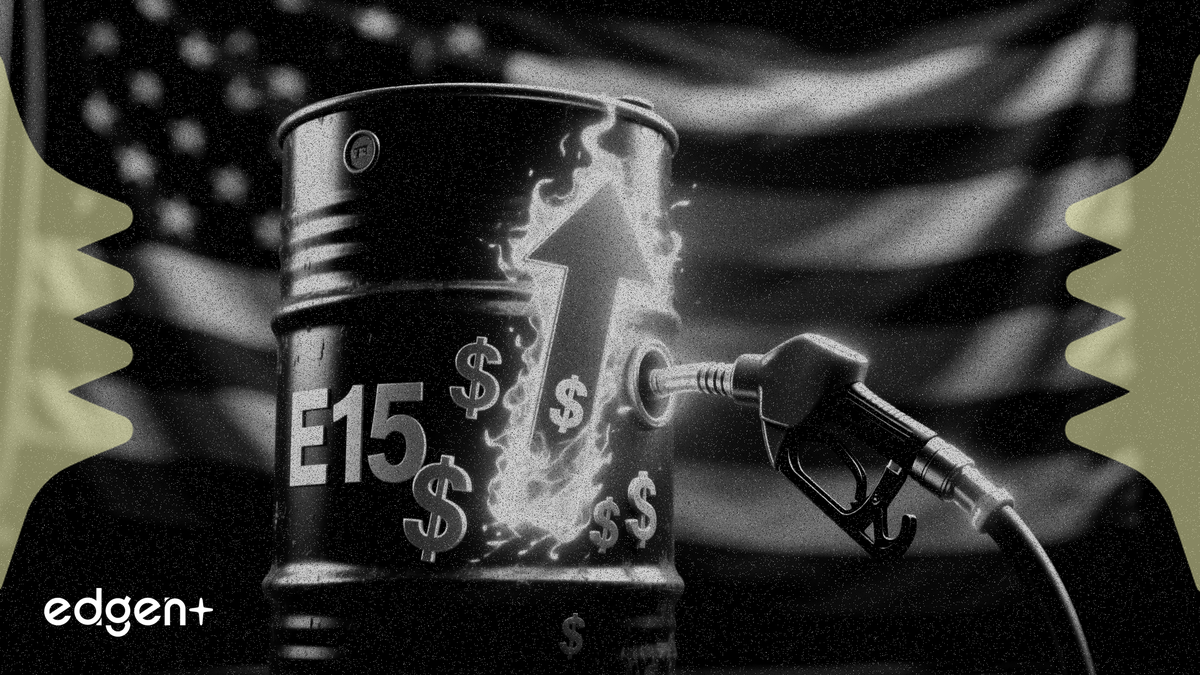
EPA Authorizes Summer E15 Sales Nationwide Starting May 1
In a direct response to rising fuel costs, the Environmental Protection Agency (EPA) authorized the sale of E15 gasoline—a blend containing 15% ethanol—for the upcoming summer season. The emergency waiver, effective May 1, suspends regulations that typically restrict the fuel's sale in warmer months. By standardizing fuel requirements and increasing the available volume of gasoline, the policy aims to stabilize the domestic supply chain and provide cost relief for American drivers. The initial waiver is set for 20 days but may be extended if market conditions warrant, providing flexibility for approximately 3,000 stations currently offering the E15 blend.
Gas Prices Hit $3.96 as States Debate Tax Holidays
While federal policy looks to boost supply, consumers are facing higher costs at the pump, with the national average price for gasoline climbing to $3.96 per gallon from $3.72 the previous week. The price increase is renewing pressure on state governments, with some considering temporary gas tax holidays. However, economists express skepticism, warning that such measures provide minimal relief to lower-income households and that the savings are often absorbed by the supply chain rather than passed on to consumers. The measures also create fiscal shortfalls for transportation funding.
Reductions in the supply of petroleum, oil-based products affect the entire economy.
— Steven Durlauf, Economist at the University of Chicago’s Harris School of Public Policy.
Ultimately, crude oil remains the dominant factor in gasoline pricing, accounting for over half the cost per gallon. With global supply dynamics remaining uncertain, the EPA's move to allow E15 sales represents a targeted effort to insulate the domestic market, though its full effect on pump prices remains to be seen.
 Edgen Stock·Mar 26 2026, 16:45