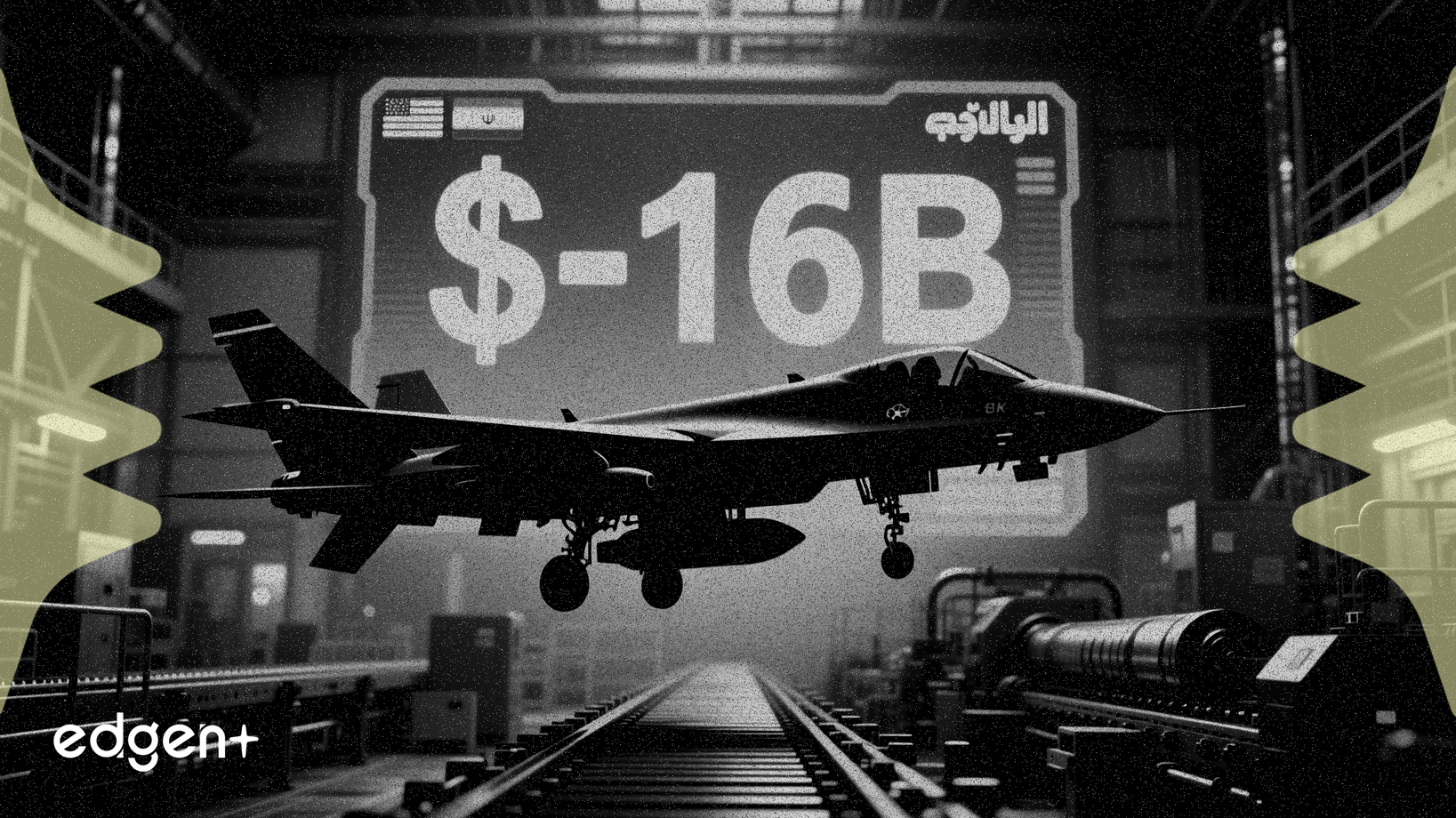
Pentagon Pivots to $35,000 Drones as War Costs Exceed $16B
The Pentagon announced a significant strategic shift on March 17, revealing plans to mass-produce a U.S. version of Iran's lethal suicide drone. The American model, named the Low-cost Uncrewed Combat Attack System (LUCAS), is a reverse-engineered copy of Iran's Shahed drone. According to Emil Michael, the undersecretary of defense for research and engineering, the drone has "worked very well so far" in the Middle East and is now ready for production at scale. U.S. firm Ghost Factory has already produced dozens of the drones, which cost approximately $35,000 per unit.
This move directly responds to the severe economic pressures of the conflict, which has cost the U.S. an estimated $16 billion since it began on February 28. U.S. forces have lost more than a dozen MQ-9 Reaper drones, valued at roughly $16 million each, to Iranian fire. The production of the low-cost Lucas drone aims to correct the unsustainable tactic of using missiles costing up to $2 million to neutralize Iranian drones that cost between $2,000 and $50,000.
Conflict Intensifies With No End in Sight
The pivot in drone strategy comes as the White House signals a prolonged engagement. On March 17, President Trump stated that Washington is "not ready to end" the conflict with Iran, asserting that the country's military has been "decimated." The war, which has seen joint U.S.-Israeli strikes and Iranian retaliation, has killed more than 2,000 people and severely disrupted global energy markets by choking off shipping through the strategic Strait of Hormuz.
The conflict's intensity is highlighted by successful strikes on high-level Iranian leadership. Israeli and U.S. forces confirmed the killings of Ali Larijani, head of Iran’s Supreme National Security Council, and Gholamreza Soleimani, commander of the Basij militia. The war has also caused dissent within the U.S. administration, leading to the public resignation of National Counterterrorism Center Director Joe Kent, who stated he could not "in good conscience" support a war against a country he argued posed "no imminent threat."
 Edgen Stock·Mar 18 2026, 06:30