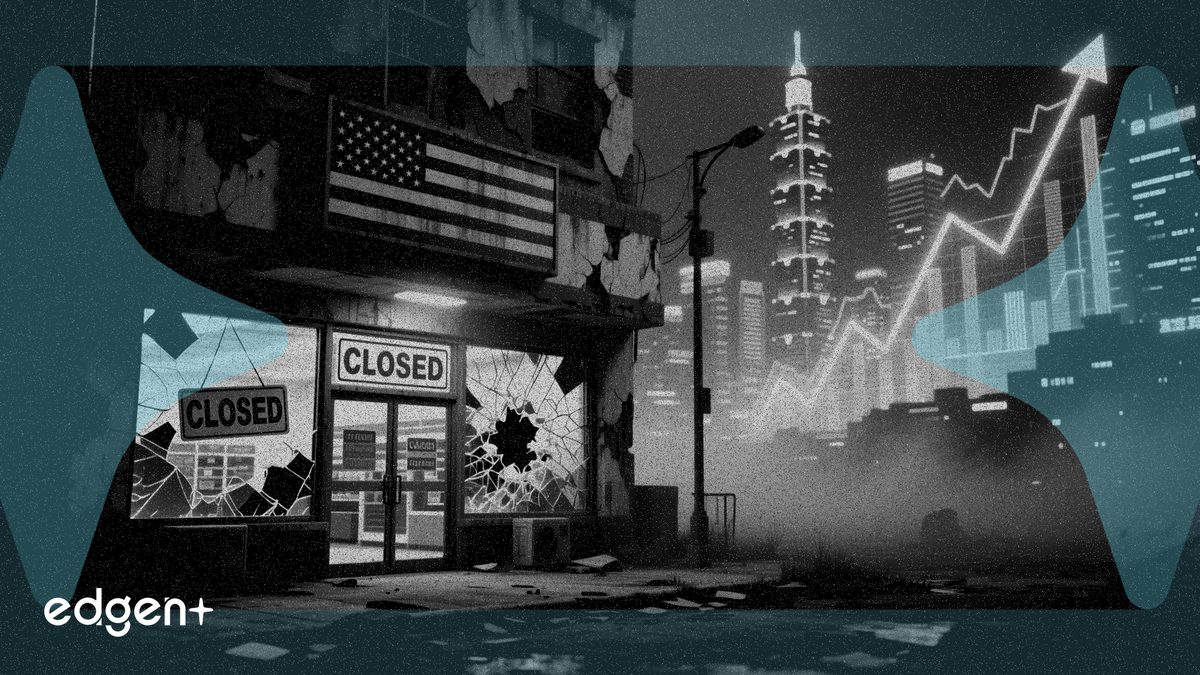
US Retail Sees Over 1,400 Store Closures Planned for 2026
The U.S. brick-and-mortar retail landscape is undergoing a significant contraction, with more than 1,400 store closures announced for 2026. This wave of shutdowns affects a wide range of sectors, from restaurants to department stores. Major chains are reducing their physical footprints to improve efficiency and invest more in their online operations. Among the most notable pullbacks, Wendy's plans to close approximately 300 underperforming U.S. locations, Pizza Hut will shutter 250 stores, and children's apparel retailer Carter's will close 100 stores by the end of 2026. This trend continues a multiyear pullback, as department store giant Macy's proceeds with its plan to close 150 locations through 2026, leaving about 350 stores remaining.
Bankruptcies Accelerate Shutdowns for Brands Like Eddie Bauer
Chapter 11 bankruptcy filings are a primary catalyst for the accelerated closures. Outdoor apparel brand Eddie Bauer is set to close all 175 of its U.S. and Canadian stores after its North American operating entity failed to find a buyer during restructuring. Similarly, apparel retailer Francesca's is liquidating its entire fleet of roughly 400 stores following a bankruptcy filing on February 5. The luxury sector is also affected, with Saks Global closing 57 Saks Off 5th locations, 20 Saks Fifth Avenue stores, and four Neiman Marcus locations as part of its own Chapter 11 proceedings. These bankruptcies underscore the financial distress facing retailers that have been unable to adapt to shifting consumer behavior and rising operational costs.
Taiwan's Convenience Stores Evolve into Service Hubs
While U.S. retailers retreat, Taiwan's convenience stores demonstrate a successful, divergent strategy. Instead of just selling goods, these stores have transformed into essential service hubs that are deeply integrated into daily life. Led by major players like 7-Eleven, Taiwanese corner stores offer a wide array of services, including facilitating bill payments, managing e-commerce logistics for package pickups and returns, and providing other vital community functions. This model increases foot traffic and solidifies the stores' role as indispensable local infrastructure, offering a powerful counter-narrative to the decline of traditional brick-and-mortar retail in the West.
 Edgen Stock·Mar 21 2026, 05:36