 Edgen Stock·Apr 01 2026, 02:25
A potential U.S. withdrawal from securing the Strait of Hormuz raises questions about the stability of global oil and fertilizer markets, which could see sustained price increases.
Edgen Stock·Apr 01 2026, 02:25A potential U.S. withdrawal from securing the Strait of Hormuz raises questions about the stability of global oil and fertilizer markets, which could see sustained price increases.
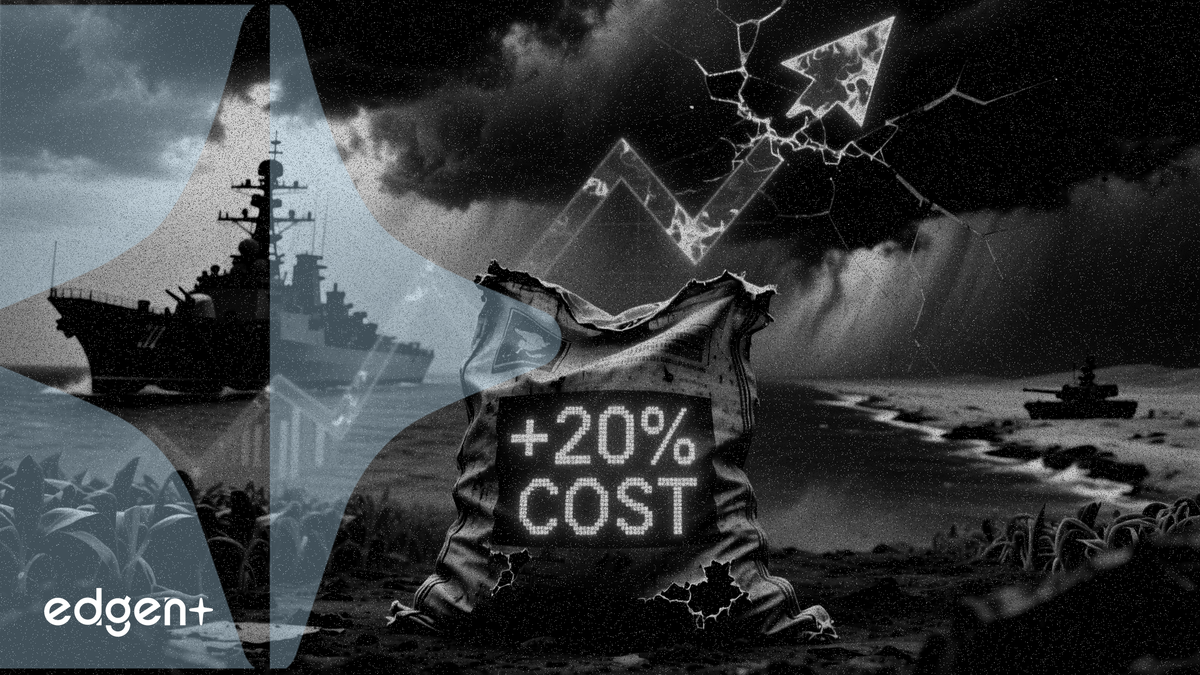
A statement from President Trump suggesting the U.S. may not secure the Strait of Hormuz sent stocks rallying Tuesday, but it introduces significant risk to global energy and agriculture markets, with fertilizer prices already up 20% in the last month. The market's initial optimism, driven by the prospect of ending a conflict with Iran, overlooks the long-term economic consequences of leaving a critical global chokepoint under threat.
"The hard part is done. Go get your own oil!” the President posted on Truth Social on March 31, directing his message at European nations. While Mr. Trump is correct that Europe's stake in Gulf oil is proportionally larger than America's, the statement signals a potential shift in U.S. foreign policy that could have wide-ranging effects.
While the U.S. has become a net exporter of oil and natural gas due to the shale revolution, it cannot insulate itself from a supply shock in the Strait. Oil is a globally traded commodity, and any disruption that raises the global price will directly impact U.S. consumers and businesses. The threat has already been felt in adjacent markets, with one-third of the world's fertilizer shipments flowing through the strait, contributing to the recent price surge that will directly impact U.S. farmers already struggling with tariffs.
A de facto Iranian veto over Gulf shipping would grant Tehran significant leverage, potentially allowing it to charge a premium for passage and undermining the credibility of U.S. deterrence. This sets a precedent where Iran’s strategy of imposing economic pain on the West yields a partial victory, altering the geopolitical balance in the region. The last time a major chokepoint was threatened during the Suez Crisis of 1956, global oil prices spiked over 15% in a matter of weeks, leading to fuel rationing in Europe.
The belief that the U.S. can simply detach from Middle Eastern energy flows is a miscalculation. Most American oil imports originate from Canada, but they feed a domestic refining system not fully optimized for lighter shale blends, maintaining a need for certain foreign grades. More importantly, persistently high global energy prices would slow economic growth abroad, inevitably hurting the U.S. through reduced exports and financial market contagion. A global recession triggered by an oil shock would not spare the American economy.
Mr. Trump's own actions to ease sanctions on Iranian and Russian oil exports, alongside tapping the U.S. strategic petroleum reserve, are a tacit admission of this reality. These moves have helped keep a lid on prices, but that stability is threatened if Iran gains the ability to turn the spigot on and off for a significant portion of global supply.
The conflict's impact extends beyond fuel. With fertilizer prices jumping 20% in the past month due to disruptions, American farmers face another headwind. This directly translates to higher food production costs, which will eventually be passed on to consumers. Leaving farmers who have been a core constituency for the President "at the tender mercies of the mullahs," as the WSJ Editorial Board noted, represents a significant political and economic risk.
The optimistic view that the strait will reopen on its own once hostilities cease is not guaranteed. Iran will have demonstrated a credible threat, and it could use that newfound power to extract concessions—financial or political—from nations requiring passage for their vessels. This would institutionalize a risk premium on a vital artery of global trade, creating persistent inflationary pressure. The best outcome remains a defeated Iran that agrees to terms which include a clear plan to reopen and secure the Strait of Hormuz, reaffirming the principle of freedom of navigation.
This article is for informational purposes only and does not constitute investment advice.