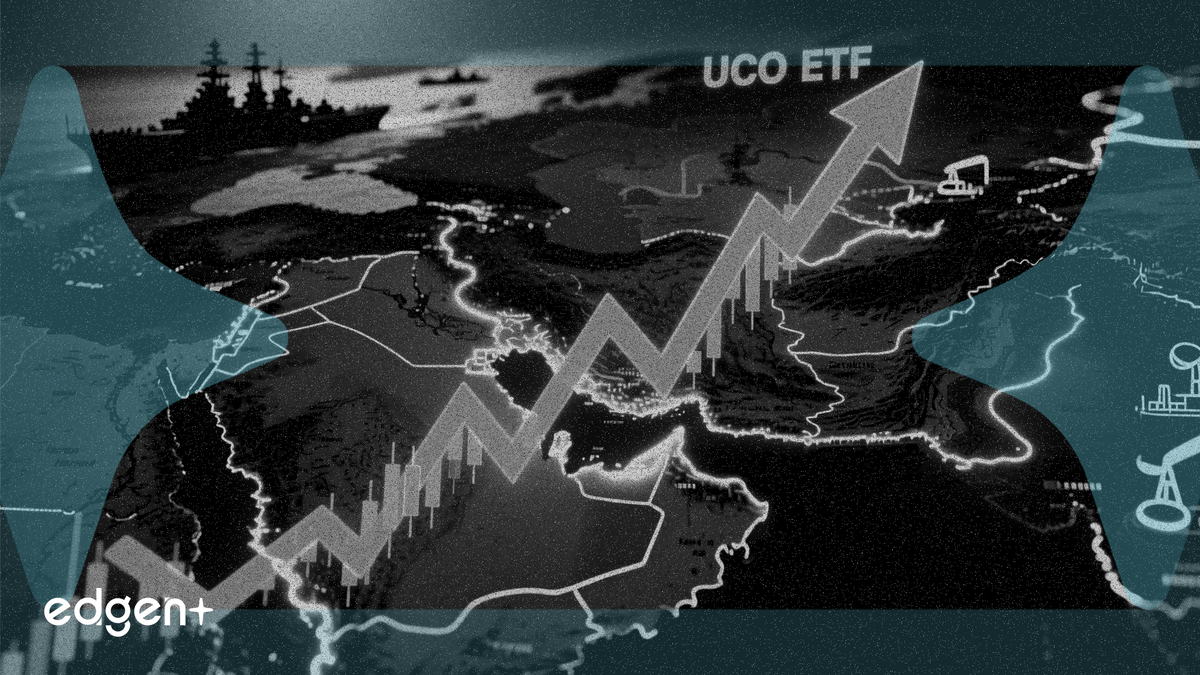
Hürmüz Krizi UCO ETF'i %125 Yükseltti
ProShares Ultra Bloomberg Ham Petrol 2x ETF (NYSEARCA: UCO), Orta Doğu'daki ciddi jeopolitik şokun etkisiyle yılbaşından bugüne %125 değer kazanarak 43,52 dolara ulaştı. Yükseliş, Şubat sonunda ABD-İsrail'in İran'a düzenlediği ve ticaret gemilerine misilleme saldırılarını tetikleyen saldırıların ardından başladı; bu saldırılar, kritik Hürmüz Boğazı'ndan tanker trafiğini tahmini olarak %70 oranında azalttı. Bu arz kesintisi, WTI ham petrol fiyatını yaklaşık 22 dolardan 43 dolara çıkararak neredeyse ikiye katladı.
Bu olağanüstü getiriler, perakende yatırımcıların dikkatini çekti ve UCO'yu Reddit'in r/wallstreetbets forumunda önde gelen bir konu haline getirdi. Yatırımcıların süregelen kaosa bahis oynamasıyla yükseliş eğilimi sürekli olarak yüksek kaldı. Krizi takip eden tartışma başlıkları, 8 Mart ile 16 Mart arasında önemli ölçüde ilgi gördü; bu da arz kesintilerinin petrol fiyatlarını daha da yükseltmeye devam edeceğine dair güçlü bir inancı yansıtıyor.
Kaldıraçlı Yapı Önemli Bir Değer Aşınması Riski Taşıyor
UCO'nun patlayıcı performansına rağmen, yapısı uzun vadeli yatırımcılar için kritik bir güvenlik açığı içeriyor. ETF, 2 kat kaldıraçını günlük olarak sıfırlar; bu, yatay veya dalgalı piyasalarda değerin aşınmasına neden olan bir mekanizmadır ve volatilite düşüşü olarak bilinir. Bu yapısal verimsizlik önemlidir; son on yılda, bu düşüş ETF'in değerinin %67 ila %70'ini ortadan kaldırmıştır. Jeopolitik gerilimler azaldığında veya piyasalar normalleştiğinde risk gerçekleşir ve zirveden satın alan yatırımcıları tuzağa düşürür.
Piyasa göstergeleri, bu düşüş için ortamın oluşmakta olduğunu gösteriyor. CBOE Volatilite Endeksi (VIX), 6 Mart'ta 29,49'a sıçradıktan sonra 22,37'ye geriledi. Düşen bir VIX, tarihsel olarak kaldıraçlı ETF'lerin düşük performans gösterme veya değer "kaybetme" eğiliminde olduğu bir ortamın sinyalini verir. Hürmüz krizindeki herhangi bir diplomatik gerginliğin azalması, 2 kat kaldıraçlı fondaki yatırımcılar için daha da büyüyecek hızlı bir tersine dönüşü tetikleyebilir.
Batı Asya Gerginlikleri Hindistan Hisse Senetlerinden 9,6 Milyar Dolarlık Çıkışı Tetikledi
Jeopolitik türbülansın etkisi petrol piyasasının çok ötesine geçerek küresel finansmanda daha geniş bir riskten kaçınma eğilimine katkıda bulunuyor. Mart ayında, yabancı portföy yatırımcıları (FPI'ler), Hindistan hisse senetlerinden yaklaşık 9,6 milyar dolar (881,8 milyar rupi) çekti ve 2026 yılı için Hindistan'dan toplam çıkışları 1 trilyon rupiyi aştı. Analistler, bu çıkışı doğrudan Batı Asya'daki tırmanan çatışmaya ve bunun sonucunda ham petrol fiyatlarındaki artışa bağlıyor.
Büyük bir gelişmekte olan piyasadan bu sermaye kaçışı, yatırımcıların çatışmanın ekonomik sonuçlarına ilişkin yaygın endişesini vurgulamaktadır. Özellikle finansal hizmetler sektöründeki Hindistan'daki keskin satışlar, UCO'daki spekülatif kazançları körükleyen aynı olayın, kurumsal yatırımcıları daha güvenli varlıklara ve daha yüksek enerji maliyetleri ile küresel istikrarsızlığa karşı savunmasız piyasalardan uzaklaştırdığını göstermektedir.