Trump Warns of 'Very Bad' Future for NATO
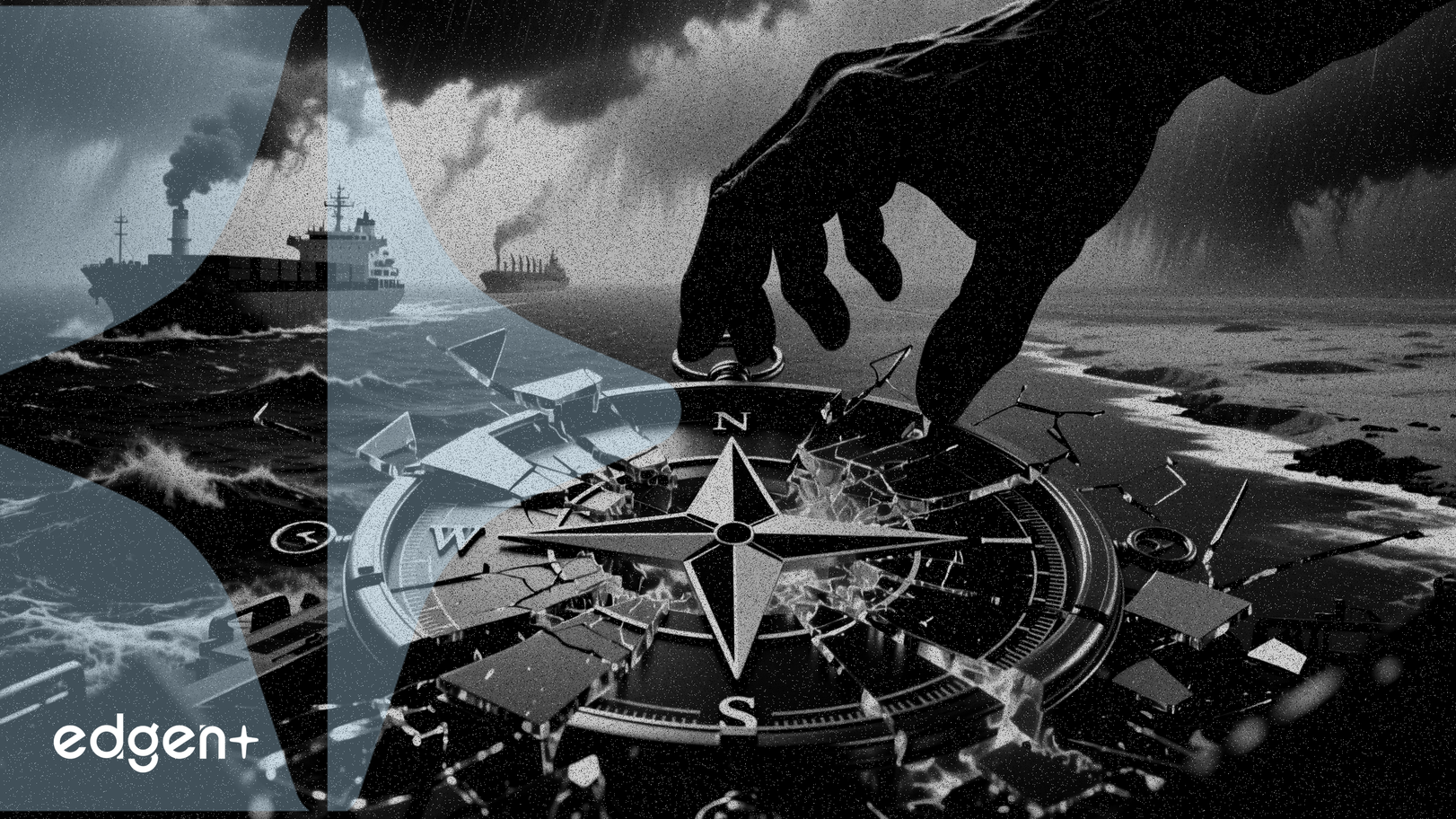
Former U.S. President Donald Trump has dramatically escalated pressure on allies, demanding they commit warships to secure the Strait of Hormuz, a waterway critical for global energy supply. In an interview with the Financial Times, Trump warned of severe consequences for the North Atlantic Treaty Organization if members refuse to participate. “If there’s no response, or if it’s a negative response, I think it will be very bad for the future of NATO,” he stated.
Trump’s demand targets “about seven” countries, including Japan, South Korea, and key European nations, which he argues benefit most from the strait's security. On his social media platform, he characterized the alliance as a “one-way street,” expressing frustration that allies were unwilling to join U.S. military actions against Iran in the Middle East. This stance injects significant uncertainty into decades-old security pacts and risks fracturing Western diplomatic cohesion.
Germany and Australia Lead Allied Refusal
The call for a naval coalition has been met with immediate and public rejection from key partners. Australia explicitly announced it would not send a ship to the strait. Germany delivered an even sharper rebuke, with a government spokesperson stating, “This war has nothing to do with NATO. It is not NATO’s war.” German Foreign Minister Johann Wadephul reinforced this position, adding that he does not see a role for the alliance in the waterway.
Other nations have remained non-committal. Japan stated it is examining its legal framework before making a decision, while South Korea is carefully reviewing the request. The United Kingdom, a traditional U.S. military partner, said it is exploring “any options” but has not made a firm commitment. The tepid response underscores deep divisions over the U.S.-led pressure campaign against Iran and a reluctance among allies to be drawn into a direct military conflict in what U.S. Navy officials have called a maritime “kill box.”
US Gas Prices Hit $3.72 as Energy Fears Mount
The geopolitical standoff is directly impacting U.S. consumers and global markets. The average price for regular gasoline in the United States has climbed to $3.72 a gallon, a surge of 74 cents since the conflict began, according to AAA data. Diesel prices have risen even more sharply, gaining $1.24 to average $4.99 a gallon, threatening to increase shipping costs and consumer prices for perishable goods.
This price pressure persists despite the International Energy Agency (IEA) authorizing a release of 400 million barrels of oil from strategic reserves. Analysts note this measure is a temporary stopgap, as Iran’s effective blockade removes roughly 15 million barrels of crude from the market daily. Without a swift resolution to secure the one-fifth of the world’s oil supply that transits the strait, the risk of oil reaching $150 a barrel and a broader inflationary shock remains high.
 Edgen Stock·Mar 17 2026, 15:51