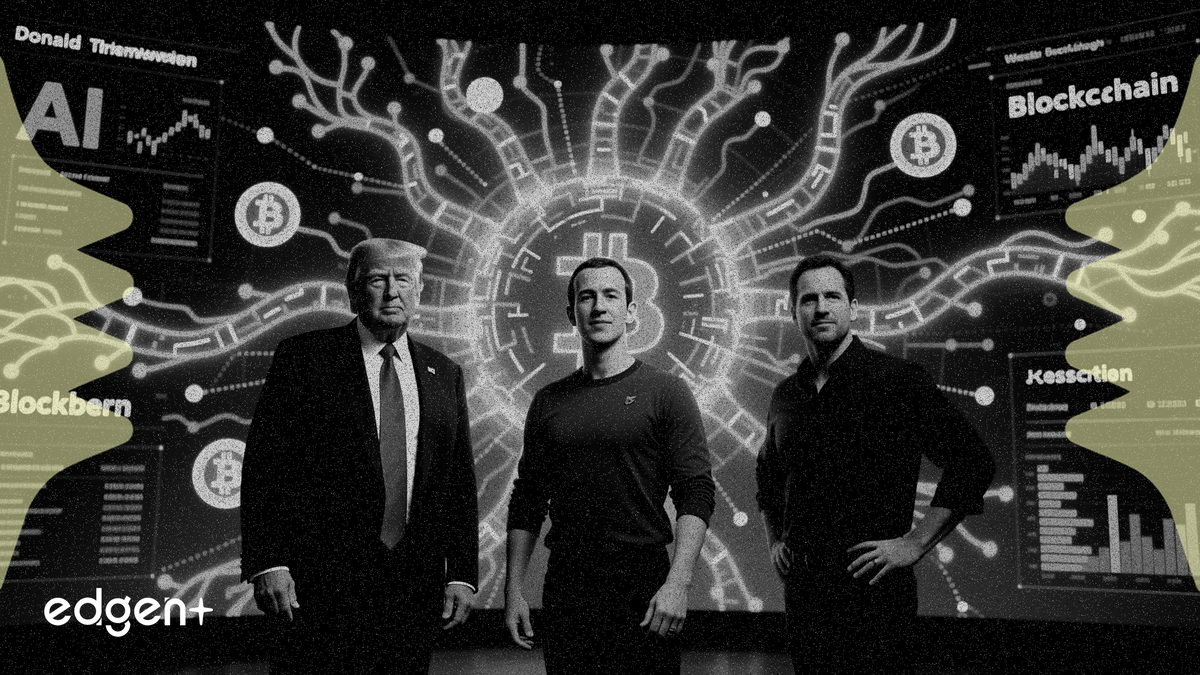
Trump Enlists 13 Tech Titans to Steer AI and Crypto Policy
The Trump administration has formalized a powerful alliance with Silicon Valley, appointing 13 of the tech industry's most influential leaders to a presidential advisory council. The President's Council of Advisors on Science and Technology (PCAST) will include Meta CEO Mark Zuckerberg, Nvidia CEO Jensen Huang, Oracle Executive Chairman Larry Ellison, and Google co-founder Sergey Brin. The group, which can expand to 24 members, is tasked with providing direct counsel to the White House on shaping national policy for artificial intelligence and cryptocurrency.
Co-chaired by White House AI and crypto lead David Sacks and technology advisor Michael Kratsios, the council's stated goal is to secure America's lead in innovation. Other notable appointees include venture capitalist Marc Andreessen and Dell Technologies founder Michael Dell. The formation of the council places the architects of the digital economy at the center of U.S. policy-making, a move poised to accelerate regulatory clarity and potentially foster a pro-innovation environment for these key growth sectors.
From Confrontation to Collaboration: A Structural Shift for Silicon Valley
This new council marks a significant reversal from the often-antagonistic relationship between the tech industry and the Trump administration during its first term, which was characterized by public criticism and high-profile resignations from advisory roles. The willingness of top CEOs to now join the PCAST signals a strategic alignment, replacing public opposition with direct collaboration inside the White House.
The shift suggests a recognition by both sides of the strategic importance of AI and digital assets to national competitiveness. According to a White House statement, the PCAST will focus on the opportunities and challenges emerging technologies present to the American workforce. Some members already have ties to the administration, with reports noting past political contributions from individuals like Jensen Huang and corporate donations from companies like Meta, indicating a pre-existing dialogue between the tech giants and the political establishment.
Tech's Political Play Aligns with White House Strategy
The creation of the PCAST is part of a broader trend of the tech industry deepening its political influence. This move to shape policy from within is mirrored by aggressive spending to influence it from the outside. In the recent Illinois primaries, for instance, tech-affiliated super PACs spent nearly $20 million. The crypto-focused PAC Fairshake spent over $10 million in one Senate primary race alone, while AI-linked groups backed by council member Marc Andreessen also invested heavily.
This two-pronged strategy of direct advisory and external political pressure is unfolding as other federal agencies also formalize their oversight. The Commodity Futures Trading Commission (CFTC) recently launched its own Innovation Task Force to develop clearer rules for crypto and AI in derivatives markets. Together, these developments show a coordinated effort to create a more predictable and potentially favorable regulatory landscape, reducing uncertainty for investors and companies operating in the U.S. tech and crypto ecosystems.
 Edgen Stock·Mar 25 2026, 13:55