Iran Deploys AI 'Lego-ganda' to Sanitize War Imagery
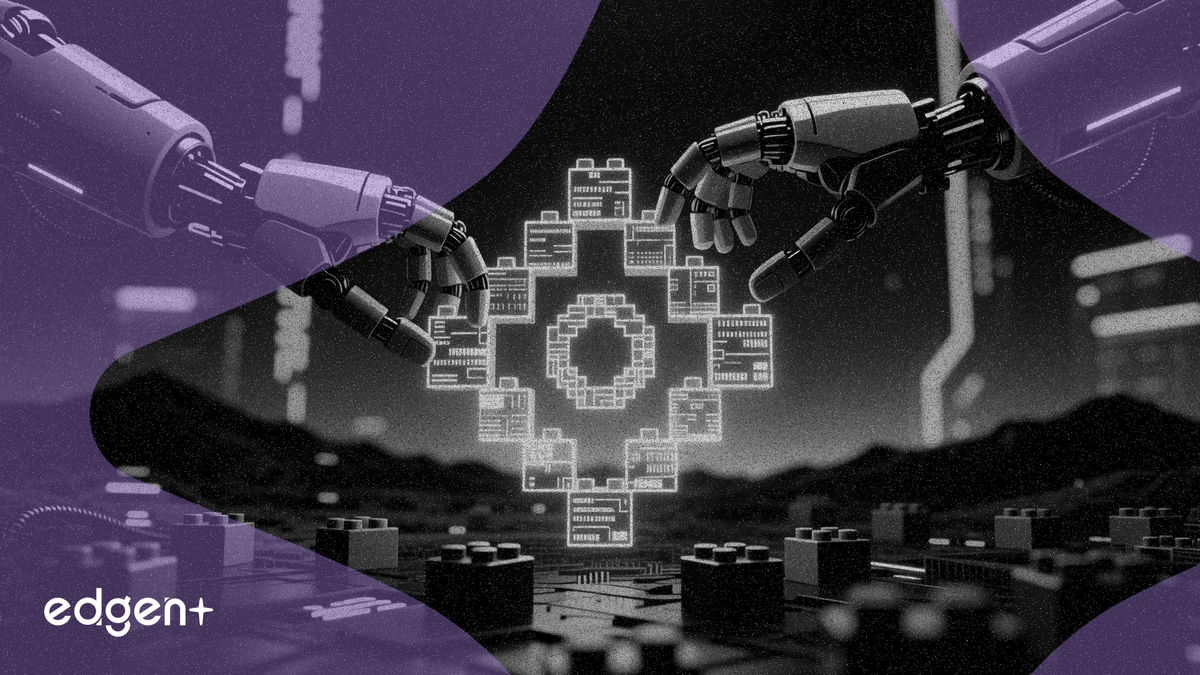
Iran's Islamic Revolutionary Guard Corps (IRGC) has begun circulating AI-assisted propaganda videos that use a Lego animation style to depict missile strikes and military action. These clips, which show Lego-fied figures in combat scenarios, are designed to leverage the toy's massive global footprint—a brand with revenues reaching $13 billion last year—to deliver a political payload. The strategy co-opts a universally recognized cultural symbol associated with childhood to sanitize graphic images of war, allowing the content to evade social media filters and reach a broader audience.
Experts note this technique is effective because it lowers the viewer's critical defenses. "Lego works because it is a universally recognized cultural cue, and cultural cues carry preloaded emotional associations that may bypass critical processing," explains Lukasz Olejnik, an independent technology consultant. This method of information warfare has also been used by China to manage public relations during the COVID-19 pandemic and by Russia to influence elections in Moldova.
AI Fakes Proliferate With Over 110 Videos Identified
The use of "Lego-ganda" is part of a much larger wave of AI-generated disinformation inundating social networks during geopolitical conflicts. An analysis by The New York Times identified over 110 unique AI-generated images and videos concerning the war in Iran within a two-week period. These fakes, which collectively garnered millions of views, falsely depicted everything from missile bombardments of Tel Aviv to the sinking of American naval vessels.
This flood of synthetic media creates an alternate reality more suited to social media algorithms, where exaggerated, Hollywood-style explosions are more likely to go viral than authentic footage. For Tehran, this has become a key informational weapon to project an image of military superiority and regional devastation. Following a claimed but unsuccessful attack on the U.S.S. Abraham Lincoln on March 1, a deluge of AI-generated fakes showing the carrier on fire spread online, used by Iranian accounts to claim a strategic victory.
Governments 'Gamify' Conflict With Video Game Aesthetics
This new propaganda battlefield is not limited to U.S. adversaries. The Trump administration has also adopted the language of internet culture, deploying messaging that borrows heavily from video games like "Call of Duty" and movies such as "Top Gun" and "Iron Man." These posts, blending real airstrike footage with cinematic editing and thumping rock soundtracks, are tailored to reach a specific domestic demographic familiar with first-person shooter games.
This "gamification" of war has drawn significant backlash. The archbishop of Chicago, Cardinal Blase J. Cupich, criticized the White House's social media for cheapening human life, while actor Ben Stiller and voice actor Steve Downes of the "Halo" series demanded their work be removed from the videos. Despite the criticism, the convergence of statecraft and meme culture signals a new reality where trolling and viral content have become standard tools of geopolitical communication.
 Edgen Stock·Mar 19 2026, 02:31