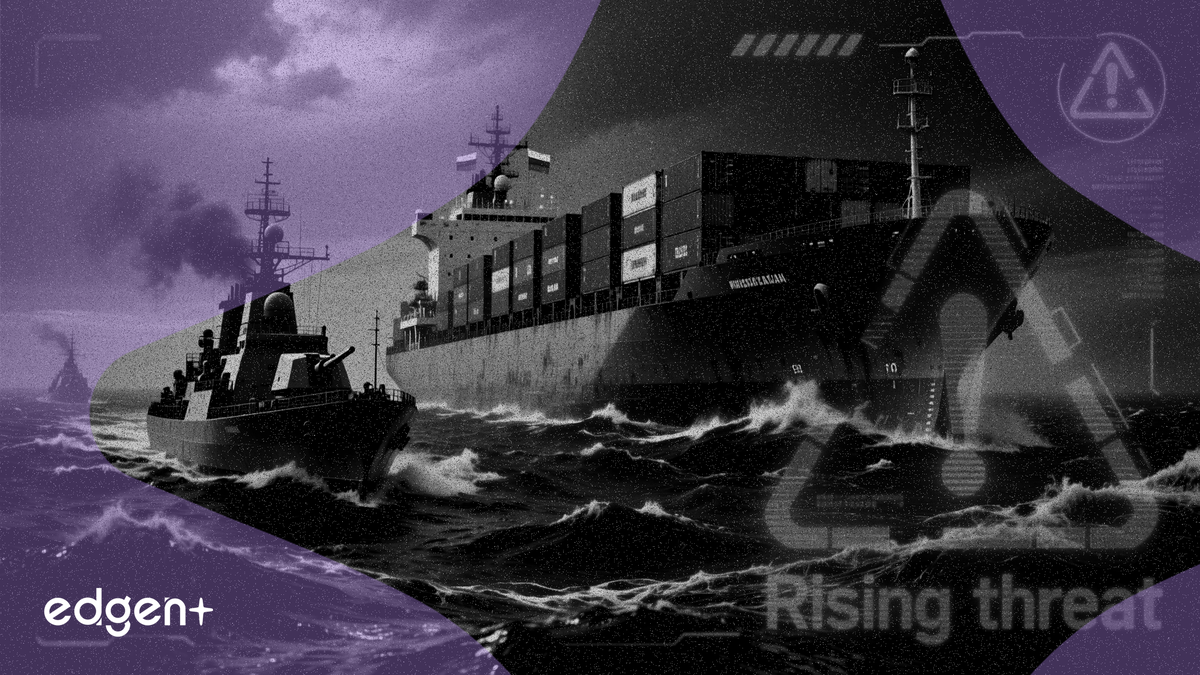
Russia Signals Naval Escorts After Alleged LNG Carrier Attack
On March 18, Russia signaled a major shift in its maritime strategy, stating it may provide military escorts for its merchant ships. The announcement from Nikolai Patrushev, an aide to President Vladimir Putin, followed what Moscow described as a terrorist act against a Russian LNG carrier. Patrushev asserted that an "unprecedented campaign" has been launched against Russia's commercial fleet, necessitating a stronger defense posture.
According to Patrushev, the Kremlin is developing a range of safety measures, including the potential for Navy warships to escort vessels flagged to Russia. Other options being explored involve placing mobile firing groups and special protective equipment on commercial ships. This official declaration moves Russia towards a more confrontational stance at sea, directly impacting the security of vital global shipping lanes.
Naval Escorts Impose Significant Financial and Logistical Burdens
Deploying naval escorts is a resource-intensive operation with significant economic repercussions. As seen in US and allied operations in the Red Sea and Strait of Hormuz, effective escorts require a flotilla of advanced warships, such as Arleigh Burke-class destroyers, equipped with sophisticated air defense systems to counter missile and drone attacks. These missions demand constant patrols, surveillance, and a high level of international cooperation, all of which carry substantial costs.
The primary economic impact for markets is the surge in risk premiums. Insurers would likely increase rates for any vessel transiting contested waters, a cost that is ultimately passed on to consumers. For energy markets, the added risk to LNG carriers and oil tankers could introduce a new volatility premium, tightening global supply and driving prices higher. The mere consideration of armed escorts transforms commercial waterways into zones of potential military conflict, deterring shippers and disrupting trade flows.
Asymmetric Warfare Complicates Traditional Escort Missions
The strategic calculus of naval escorts has been complicated by the rise of asymmetric warfare. Modern navies face significant threats from low-cost but highly effective weapons like unmanned surface vehicles (USVs) and advanced sea mines. These systems, proven effective by Ukrainian forces in the Black Sea and developed by nations like Iran, can disable or destroy high-value targets like tankers and even billion-dollar warships.
Advanced mines, such as the Chinese-made EM-52, can lie dormant on the seabed and autonomously attack ships, making them exceedingly difficult to detect and clear. A coordinated attack using a swarm of explosive drone boats could overwhelm the defenses of an escort vessel, leaving commercial ships vulnerable. Russia's decision to deploy escorts places its naval assets directly in the path of these modern threats, increasing the probability of a direct military engagement with unpredictable consequences for global trade and security.
 Edgen Stock·Mar 19 2026, 06:36