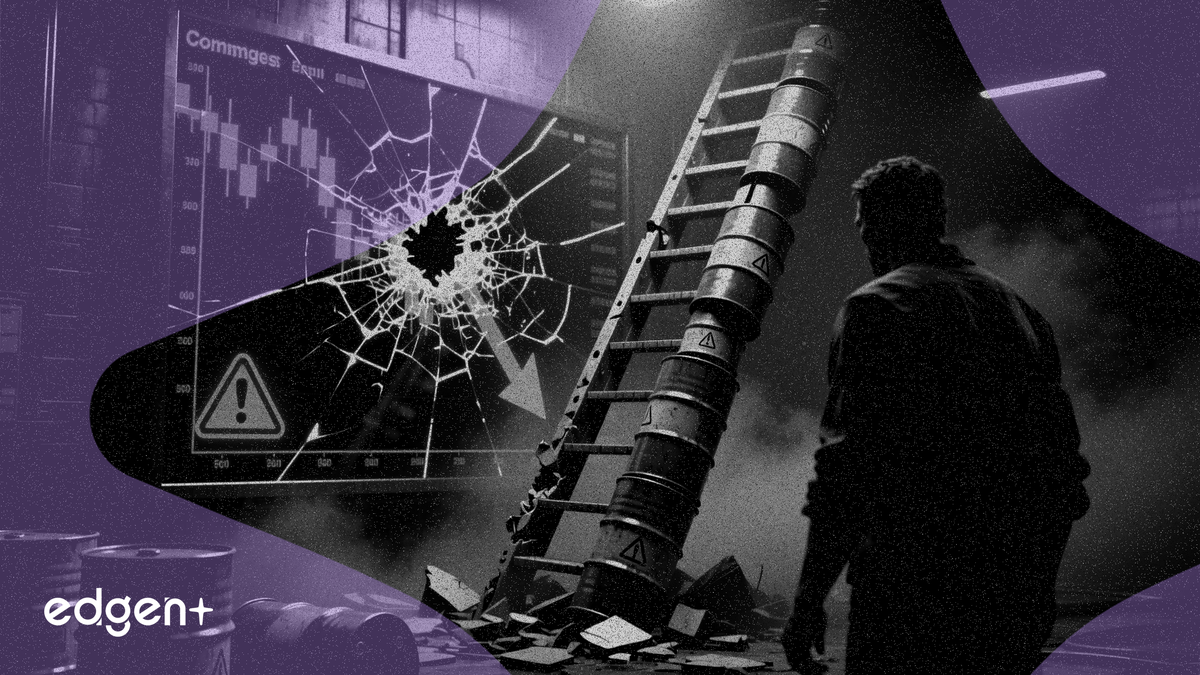
Crude Oil Swings 7% Intraday, Divorcing From Equities
Conflicting news regarding a US-Iran ceasefire proposal triggered extreme volatility in energy markets. WTI and Brent crude prices plunged by as much as 7% from their highs following initial reports of a potential deal. However, the gains were erased after Iran publicly rejected the offer, with oil prices recovering nearly all intraday losses by the close. This price action highlights the market's acute sensitivity to geopolitical developments in the Middle East.
A rare divergence between asset classes accompanied the oil market's turbulence. Equities and bonds failed to react negatively to the oil price recovery. The S&P 500 Index has now maintained a negative correlation with WTI crude for 17 consecutive trading days, a statistical anomaly last seen in early 2022. While major US stock indices closed higher, all of the day's gains occurred within minutes of the ceasefire news, after which the market traded sideways and failed to break key technical resistance.
Top Strategists Warn of 'Career-Ending Risk,' Advise Cash
In response to the chaotic conditions, Nomura strategist Charlie McElligott issued a stark warning that the convergence of macro risks has created a "career-ending" environment for traders. He noted that this has led to a state of "paralysis," as investors find it difficult to take either long or short positions. McElligott cited multiple pressures, including widespread skepticism of a quick diplomatic resolution, deteriorating US employment trends, and rising stress in private credit markets.
Goldman Sachs analyst Shreeti Kapa echoed the cautious sentiment, declaring that "cash is king" in the current binary-risk environment. She argued that with equity risk premiums near zero and valuations at historical highs, holding cash is a "reasonable asymmetric position." According to Kapa, investors are sacrificing little expected return while gaining significant flexibility to deploy capital once uncertainty dissipates. This perspective is reinforced by broader Goldman research noting that the MSCI World Index has already fallen approximately 7% since the conflict began and that traditional bonds may fail to buffer portfolios against a deeper equity correction.
 Edgen Stock·Mar 26 2026, 02:11