Oil Prices Retreat From Multi-Year Highs
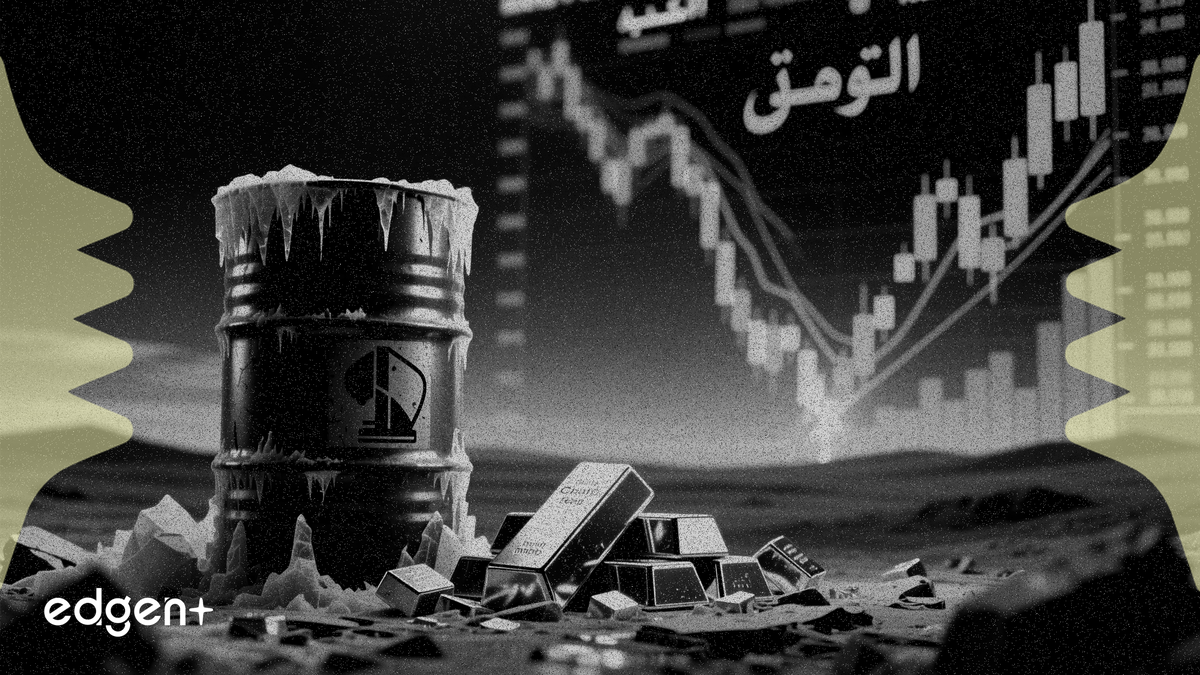
International oil prices pulled back after comments from Israeli and U.S. officials signaled a de-escalation of the conflict in the Middle East. Israeli Prime Minister Netanyahu stated a commitment to halt attacks on Iranian energy facilities, contributing to a drop in Brent crude to around $107 per barrel, down from its highest closing price since July 2022. West Texas Intermediate (WTI) crude followed, declining over 1% to trade at $94.49 a barrel. The retreat provides temporary relief from inflation anxiety that had gripped markets, which saw oil prices climb approximately 40% since the conflict began.
The easing supply concerns offered some stability to riskier assets. The MSCI Emerging Markets Index stabilized after a 2.7% drop on Thursday, and a corresponding index of developing-nation currencies edged up 0.2%. Despite the short-term relief, the recent energy price shock has cemented a more hawkish stance among global central banks.
Gold Plummets 3.5% as Rate Cut Hopes Evaporate
The shift in monetary policy expectations triggered a fierce sell-off in precious metals. Spot gold plunged 3.5% on Thursday, hitting a six-week low before stabilizing around the $4,660 level. The rout was driven by the market's abrupt reversal on interest rate forecasts. Before the conflict, markets had anticipated two interest rate cuts from the U.S. Federal Reserve this year; now, they are pricing in zero cuts.
This sentiment change directly undermines the investment case for non-yielding assets like gold. The selling pressure was broad-based, with investors liquidating positions to generate cash. The SPDR Gold Shares ETF, the world's largest gold-backed fund, experienced six straight days of net outflows from retail investors. Concurrently, trend-following hedge funds actively reduced their gold exposure, amplifying the downward pressure. The sell-off also hit other metals, including silver, which fell nearly 2%, reflecting a systemic downward revision of global growth expectations.
Central Banks Signal Hawkish Stance Despite Economic Worries
Despite falling oil prices and signs of economic weakness, including an unexpected loss of 92,000 U.S. jobs in February, central banks are signaling a firm commitment to fighting inflation. Major investment banks, including J.P. Morgan and Barclays, have revised their forecasts to project European Central Bank rate hikes as soon as April. This hawkish turn follows similar signals from the U.S. Federal Reserve and the Bank of England.
The dynamic places policymakers in a difficult position, balancing the need to control inflation against the risk of stifling a slowing economy. The bond market reflects this tension, signaling that any dip in oil prices may be temporary and that supply shocks will continue to fuel inflationary pressures. This leaves risk assets in a precarious position, as the prospect of sustained high interest rates caps potential gains in equity markets.
 Edgen Stock·Mar 20 2026, 07:43