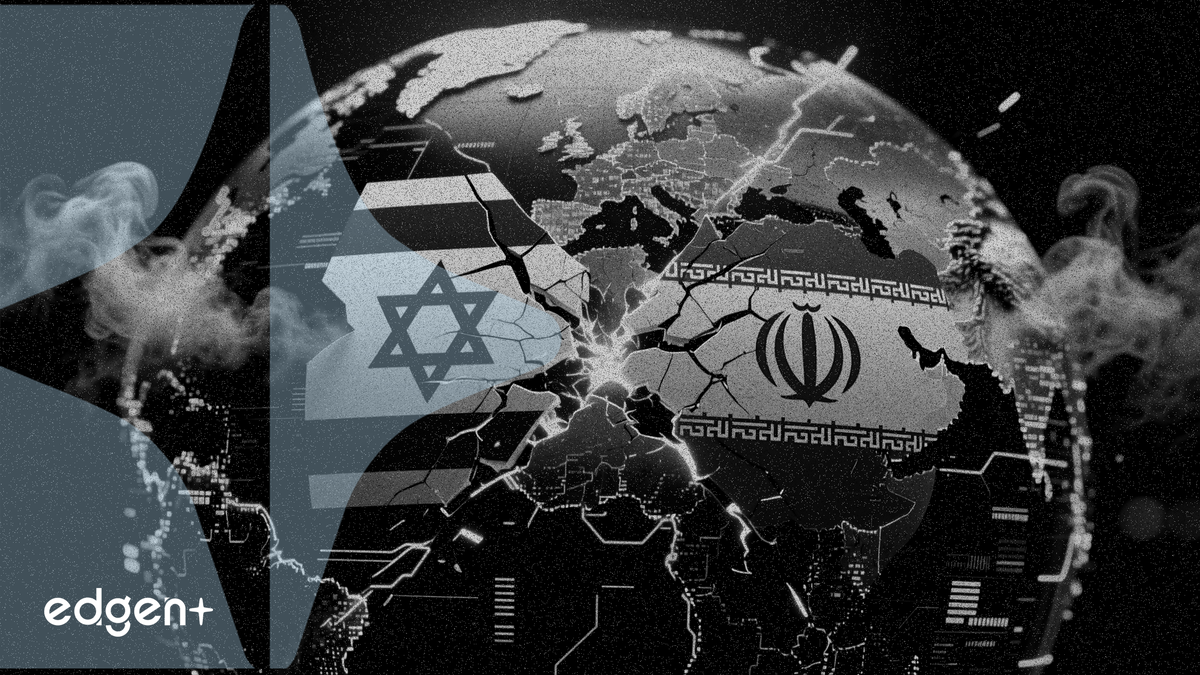
Top Iranian Security Chiefs Assassinated in Targeted Strikes
Israel has executed two of Iran's most powerful security officials, escalating its military campaign to decapitate the regime's leadership. On Tuesday, a missile strike killed Ali Larijani, Iran's top security official, at a hideout on the outskirts of Tehran. His death came just four days after a public appearance at a loyalist rally. That same night, Gholamreza Soleimani, leader of the feared Basij militia, was killed alongside his deputies in a wooded area after a tip-off from Iranian citizens.
These assassinations are the highest-profile killings since Israel's opening strike of the war killed Supreme Leader Ali Khamenei. The systematic targeting of leadership aims to dismantle the regime's command and control. Israeli Defense Minister Israel Katz confirmed the strikes, vowing to continue "hunting the leadership of Iran's terror and oppression regime."
Campaign Drops 10,000 Munitions to Degrade Security Apparatus
The targeted killings are part of a massive air and intelligence operation. Israel reports dropping over 10,000 munitions on thousands of targets, with more than 2,200 directly related to the Islamic Revolutionary Guard Corps (IRGC), Basij, and other internal security forces. The campaign has systematically destroyed command centers, forcing security personnel out of fortified headquarters and into the open.
After hitting primary headquarters, Israeli intelligence identified and struck secondary muster points at local sports complexes, including Tehran's Azadi Stadium, reportedly killing hundreds of security members. The assault has now shifted to individual targets, with loitering drones hitting checkpoints and roadblocks based on intelligence and tips from Iranians on the ground. To amplify pressure, agents from Israel's Mossad have reportedly been calling individual Iranian commanders, threatening them directly.
I called to warn you in advance that you should stand with your people’s side. And if you will not do that, your destiny will be as your leader. Do you hear me?
— Mossad agent, in a recorded call to an Iranian police commander.
Airstrikes Sow Widespread Disorder in Iran
The sustained Israeli attacks are visibly fraying Iran's internal security structure. Reports from Tehran describe security forces abandoning official posts to hide in vehicles, under highway bridges, and in residential buildings, prompting some neighbors to evacuate for fear of being caught in a strike. The disruption is crippling civil services, with residents reporting that police stations are unstaffed and unable to handle basic duties like investigating theft.
While the campaign has created internal chaos and degraded Iran's military capabilities, its regional isolation is also deepening. Key European allies, including the U.K. and Germany, have rebuffed U.S. calls for naval assistance to police the Strait of Hormuz. This isolates Iran but also reveals fractures in the Western coalition's strategic approach. Despite the pressure, Iran's security forces retain control of the streets, threatening lethal force to suppress any potential uprising.
 Edgen Stock·Mar 19 2026, 02:26