Iran Claims Fighter Jet Strike; US Denies as Propaganda
Iran's Islamic Revolutionary Guard Corps (IRGC) stated on March 28 that it had successfully shot down a US F-16 fighter jet over its southern Fars province. This follows a series of similar assertions, including targeting a US F/A-18 Hornet and an Israeli F-16. U.S. Central Command (CENTCOM) immediately refuted the claims, stating, "No U.S. fighter aircraft have been shot down by Iran," and labeling the reports as misleading propaganda.
While the primary claims remain unverified, the conflict's intensity is not entirely fabricated. Citing US defense officials, reports confirmed that a US F-35 stealth fighter made an emergency landing after being struck by an Iranian surface-to-air missile barrage. The pilot was reported safe. This incident underscores the real-world military engagement occurring, even as both sides engage in significant information warfare.
Crude Oil Spikes to $122 on Escalation Fears
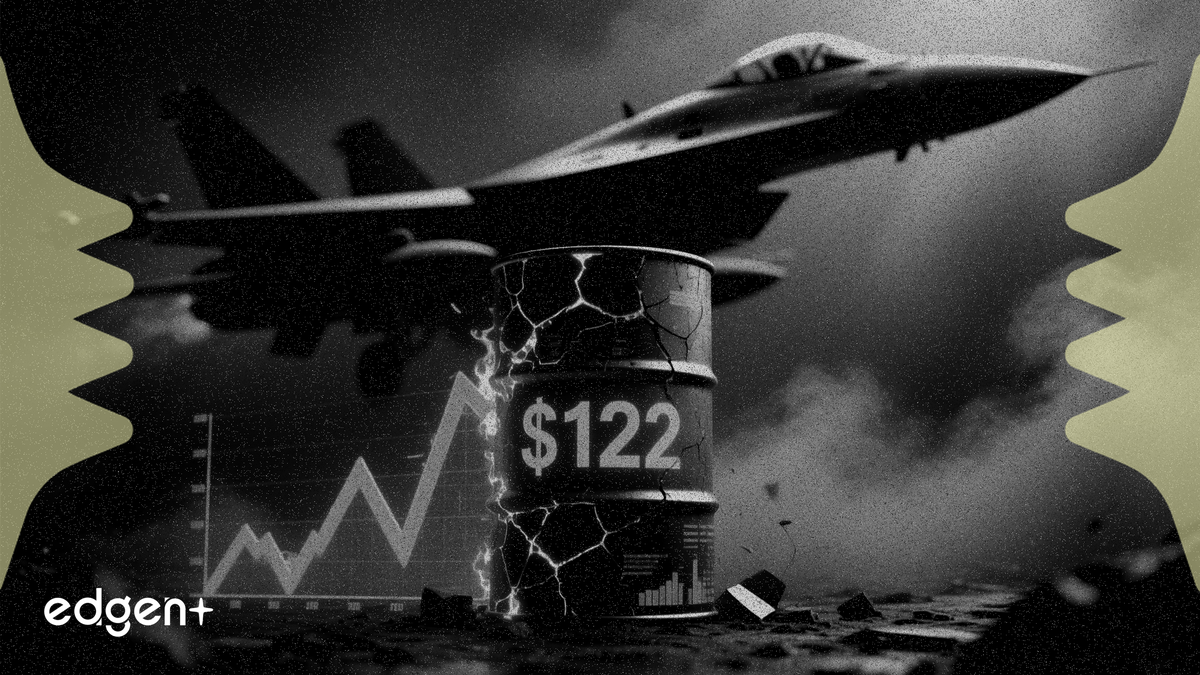
The heightened military posturing in West Asia has injected severe volatility into global energy markets. International crude oil prices have soared from approximately $70 to $122 per barrel in the past month alone. This sharp increase reflects investor fears of a wider conflict that could disrupt critical shipping lanes, particularly the Strait of Hormuz, a chokepoint for a significant portion of the world's oil supply.
The potential for military escalation creates a risk-off environment, pushing capital away from equities and toward safe-haven assets. For energy markets, the primary risk remains a direct confrontation that could interrupt production or transit, further tightening a market already sensitive to supply shocks.
India Cuts Fuel Taxes as Oil Companies Absorb ₹30/Litre Loss
The surge in crude prices is creating significant economic strain for major energy importers. India, for example, has opted to shield its consumers by cutting domestic fuel taxes rather than passing on the higher costs. The government reduced the central excise duty on petrol from ₹13 to ₹3 per litre and cut the diesel duty to zero.
Despite these measures, Indian oil marketing companies (OMCs) are facing substantial financial pressure, reporting under-recoveries of approximately ₹24 per litre on petrol and ₹30 per litre on diesel. To secure domestic availability, the government has also imposed new export duties of ₹21.5 per litre on diesel and ₹29.5 per litre on aviation turbine fuel, signaling a policy shift to prioritize internal supply over export revenue.
 Edgen Stock·Mar 28 2026, 13:50