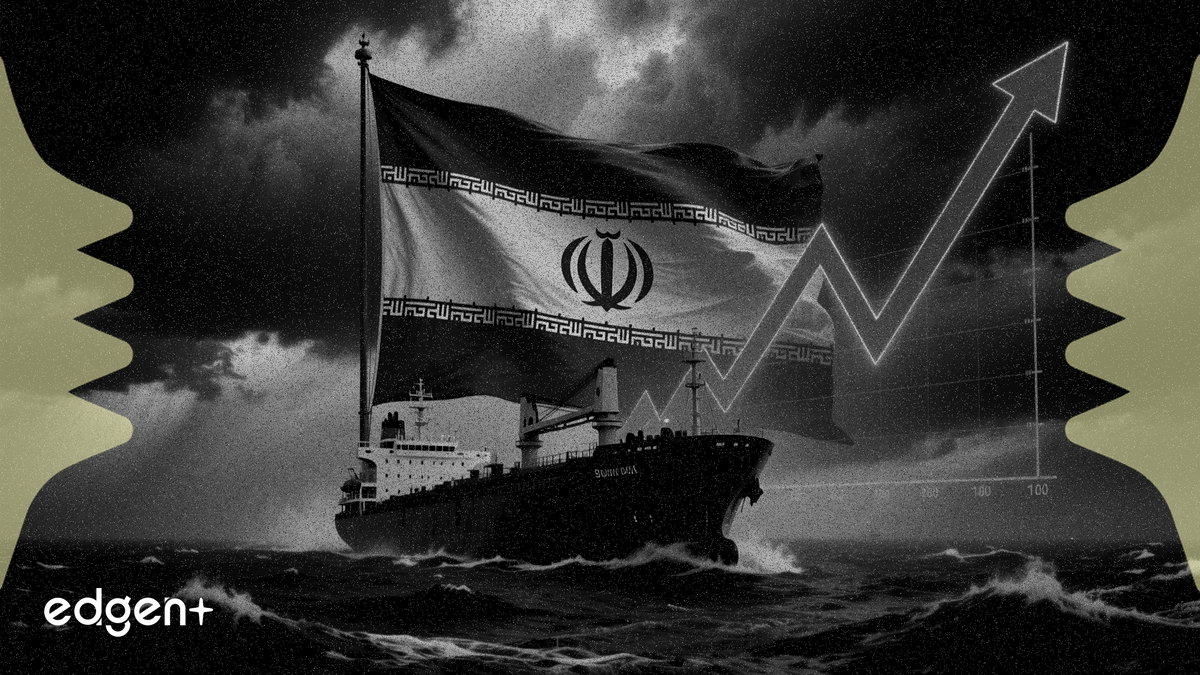
Iran Sets Conditions for Passage Through Chokepoint Handling 20% of Global Oil
On March 22, Iran stated that non-"enemy" vessels may pass through the Strait of Hormuz, a critical artery for about 20% of global oil consumption. However, the offer comes with a significant caveat: all ships must coordinate directly with Iranian authorities on security arrangements. This move injects a new layer of operational risk and uncertainty for global shipping companies, which have largely avoided the strait since a regional conflict involving the U.S. and Israel began on February 28. The policy effectively gives Tehran discretionary control over passage, maintaining its leverage over global energy markets.
Crude Prices Stay Elevated Above $100 a Barrel
The ambiguous announcement has failed to calm energy markets. Since the conflict began, at least 15 tankers have been attacked in the region, bringing traffic to a near-standstill. This disruption caused crude oil prices to climb from approximately $67 per barrel to over $100. Brent crude, the international benchmark, recently traded around $109 a barrel after briefly touching $120. The market tension is further reflected in the widening spread between Brent and West Texas Intermediate (WTI) crude, which has reached its widest point in over a decade, signaling severe dislocation in seaborne oil flows versus landlocked U.S. supply.
US Scrambles for Solutions as Allies Reject Military Mission
Washington is pursuing multiple avenues to mitigate the supply shock but faces significant diplomatic headwinds. The U.S. administration secured an agreement from the International Energy Agency's 32 member countries to release 400 million barrels of oil from emergency reserves. It also signed a 60-day waiver of the Jones Act to allow more flexible transport of fuel between U.S. ports. However, a central part of its strategy—forming an international naval coalition to protect shipping—has been rejected by key partners. Germany publicly refused to participate, with a government spokesman stating, "This is not NATO's war." This lack of allied support complicates efforts to secure the 100-mile-long strait, leaving the market exposed to prolonged disruption.
 Edgen Stock·Mar 22 2026, 06:21