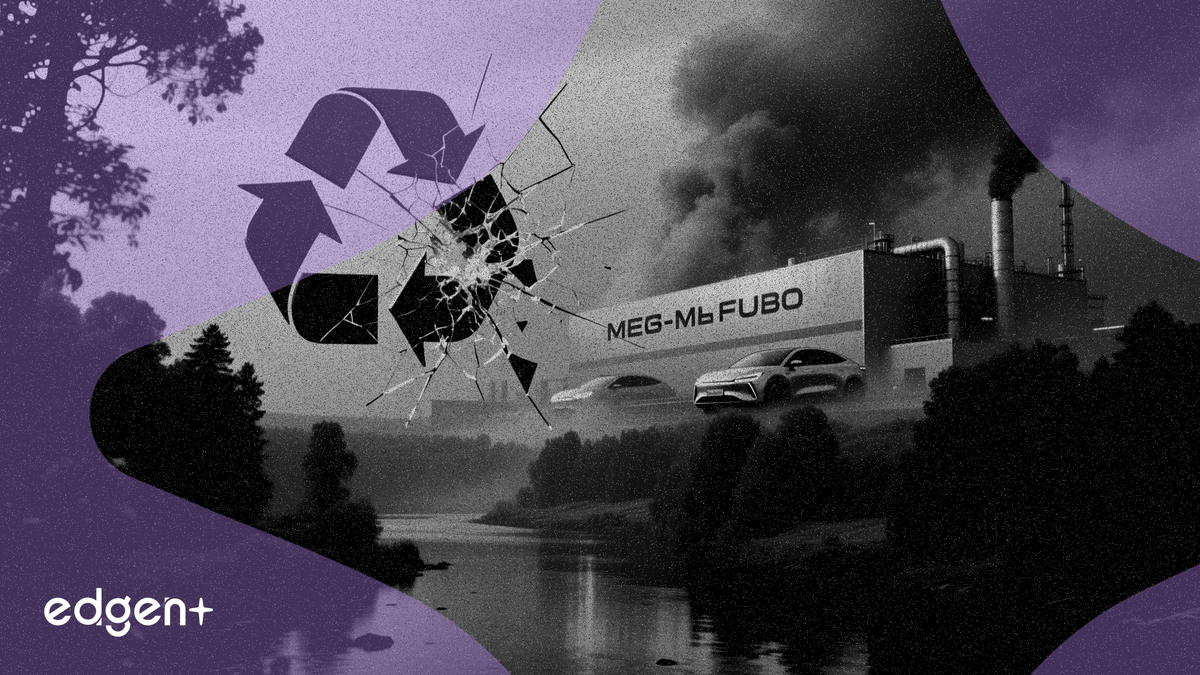
Hungary Secures Over $10.5B for EV Industrial Hub
Hungary is aggressively positioning itself as a central player in Europe's electric vehicle supply chain, attracting a wave of foreign investment to the city of Debrecen. The government's strategy is anchored by an investment of more than $8 billion from Chinese battery manufacturing giant CATL to construct a new factory. This joins other major projects from automaker BMW, which opened a new EV plant in September, and Chinese component manufacturers Semcorp and EVE Power.
To fuel this industrial expansion, the Hungarian government has provided over $2.57 billion in paid or pending state subsidies since 2018. Prime Minister Viktor Orbán's administration aims to leverage the EU's 'Green Deal' mandates to build a domestic manufacturing base, creating a codependent relationship with the very Brussels regulators he often criticizes.
Local Backlash Mounts Over Pollution and Water Scarcity
The rapid industrialization of Debrecen, a city of 210,000, has ignited strong local opposition. Environmental organizations, including the Mikepércs Mothers for the Environment, are leading protests against the new factories, citing significant environmental and social costs. Residents report increased traffic disruption, noise pollution, and growing concerns over the immense water consumption required by battery manufacturing in a region that already struggles with drought.
We are noticing a decrease in air quality.
— Éva Kozma, Head of Mikepércs Mothers for the Environment
The Orbán government has legally designated these EV-related projects as "investments of paramount importance for the national economy." This status allows developers to pursue an accelerated process for permits and environmental-impact assessments, limiting public consultation and transparency. Local opponents state they have not received satisfactory answers regarding toxic waste storage, water supply protection, or emergency plans for industrial accidents, fueling public distrust.
EU's 'Green Deal' Confronts Industrial Reality
The situation in Debrecen highlights a fundamental tension in Europe's planned transition to clean energy. While the EU promotes EVs to achieve its 2050 climate-neutrality goal, the environmental costs of battery production are now materializing within the continent, not just in distant mining locations. The manufacturing process is energy-intensive and creates hazardous waste, challenging the simplistic definition of "clean" mobility.
This conflict creates significant risk for the companies involved and the Hungarian government's economic strategy. The policy relies on sustained, regulator-driven demand for EVs across Europe. With some EU countries already reconsidering aggressive targets like the 2035 ban on combustion engines, any weakening in consumer demand could leave Debrecen shouldering a large environmental burden for factories with questionable long-term economic benefit.
 Edgen Stock·Mar 19 2026, 02:30