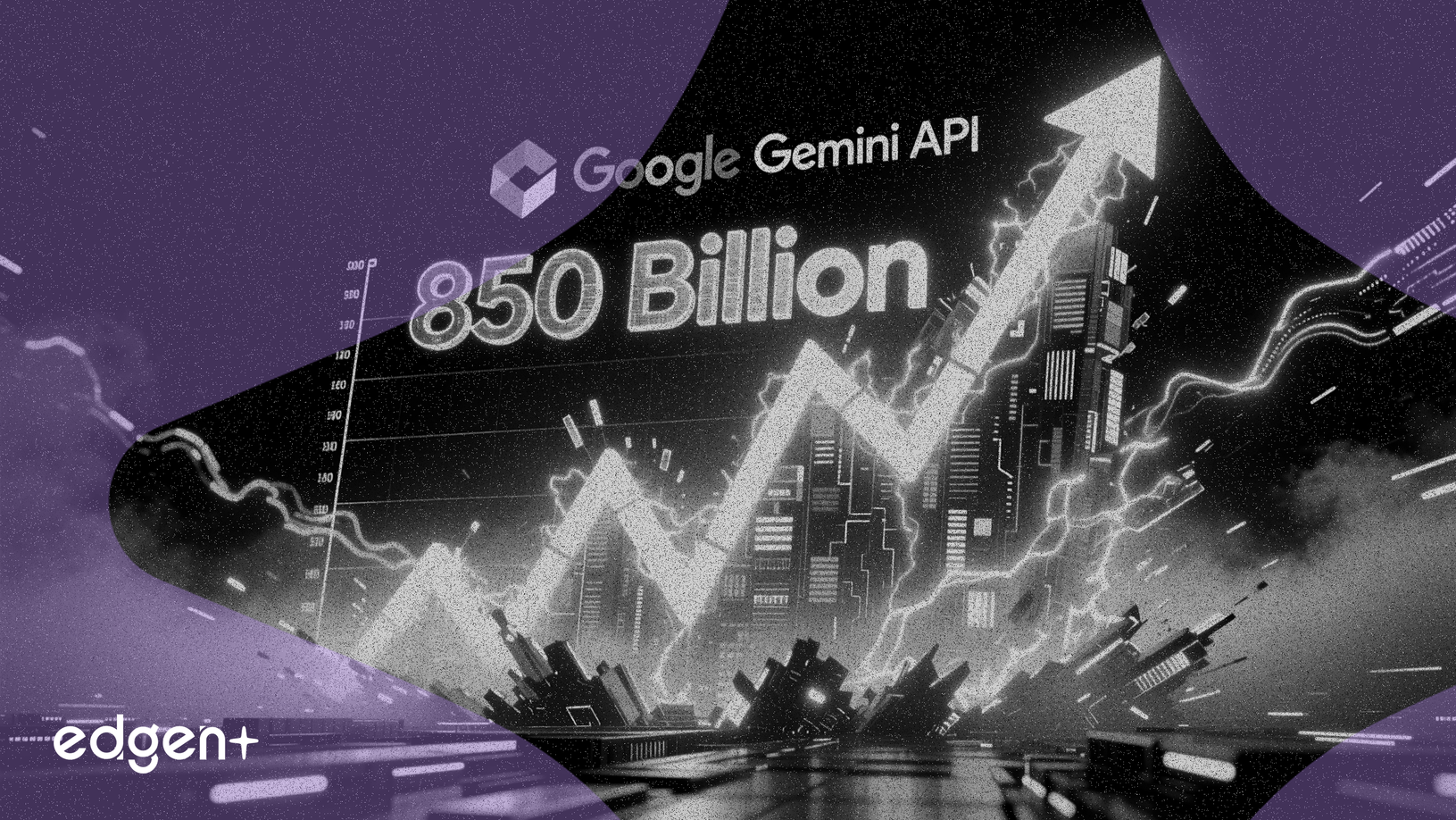
Gemini API Calls More Than Double to 850 Billion
Google's investment in artificial intelligence is demonstrating significant user adoption, with API calls for its Gemini models ballooning from 350 billion in March to 850 billion by August of last year. This more than twofold increase in just five months was driven by improvements in model quality and the well-received launch of Gemini 3 in November. The growth marks a critical shift in strategy for Google, which moved from offering early models like Gemini 1.0 at steep discounts that resulted in negative profit margins. With newer versions, the company has pivoted from a price war to a quality-focused approach, achieving positive marginal profits on its AI services.
Enterprise Service Secures 8 Million Users With Mixed Reviews
On the enterprise front, Google is attempting to capture higher-margin revenue through its Gemini Enterprise software suite. A company spokesperson confirmed the service now has 8 million subscribed users across 1,500 companies, supplemented by over one million online sign-ups. Despite this momentum, customer feedback is polarized. According to consulting firm Sada, clients are split nearly "50/50" on their satisfaction. Part of the challenge lies in Google's developer-centric culture, which encourages customers to use the underlying Gemini models to build custom solutions rather than purchasing pre-packaged software.
Investors Weigh $93B Capex Against Monetization Proof
While usage metrics are positive, investors are scrutinizing the immense cost of Google's AI ambitions. The company projected last fall that its capital expenditures would reach between $91 billion and $93 billion, nearly doubling the $52.5 billion spent in 2024. With fourth-quarter earnings imminent, the market is looking for concrete evidence that these massive investments are translating into sustainable revenue. The growth in API calls and enterprise subscriptions provides an early, albeit incomplete, picture of Google's path to monetizing its technology.