Retail Gas Prices Hit $3.32, Highest Since September 2024
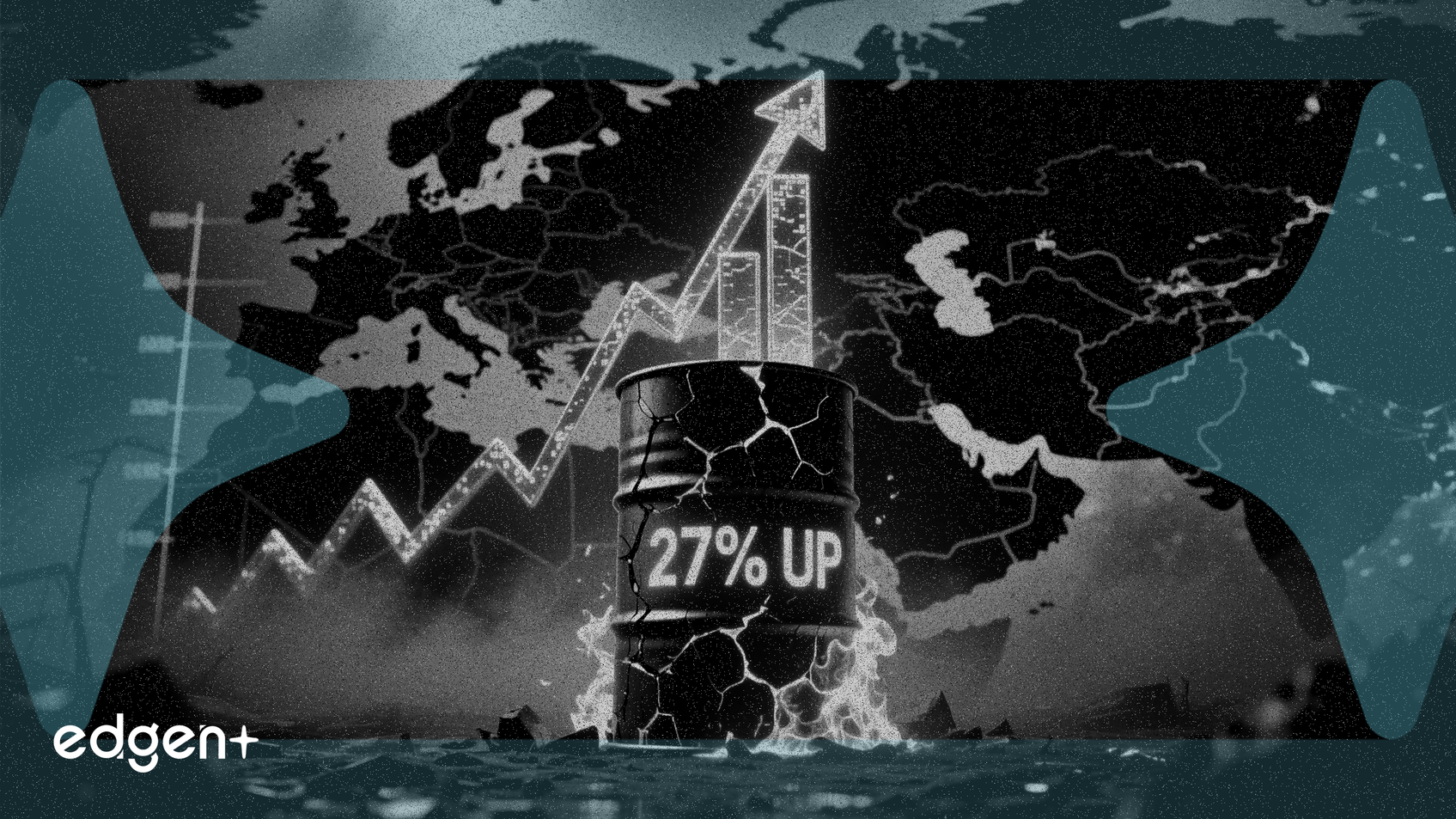
U.S. retail gasoline prices escalated to $3.32 per gallon this week, an 18-month high, as geopolitical turmoil in the Middle East directly impacts energy supply chains. The sharp increase at the pump is mirrored in financial markets, where gasoline futures posted a 27% weekly gain. If this momentum holds, it would mark the most significant weekly advance for the commodity since March 2022. The price transmission from volatile energy markets to consumer wallets is accelerating, creating significant political pressure for the Trump administration, which has often cited low energy prices as a key policy achievement.
Supply Shocks and Seasonal Demand Create Perfect Storm
The current price spike is driven by two converging factors. First, sustained conflict in the Middle East is creating tangible disruptions to the global crude oil supply, particularly through the Strait of Hormuz, the world's most critical energy chokepoint. Brent crude prices rose from approximately $70 to the $80-$85 per barrel range in the initial market reaction. Asian refiners have already been forced to interrupt key crude supplies. Secondly, this external shock coincides with the annual spring changeover at U.S. refineries. These facilities are transitioning from producing winter-blend gasoline to the more expensive, lower-evaporation summer-grade fuel, a seasonal process that typically applies upward pressure on prices even in a stable geopolitical environment.
Inflationary Pressures Mount for Consumers and Industry
The rapid rise in fuel costs presents a direct challenge to the broader economy. For consumers, higher gasoline prices reduce discretionary income and could curtail spending in other sectors. For manufacturers, particularly in energy-intensive industries, the combination of rising fuel costs and unreliable supply chains threatens to compress profit margins. Industrial electricity prices in the UK, for instance, are already 70% higher than pre-2022 levels, and the added cost of rerouting ships and securing war-risk insurance exacerbates financial strain. This environment elevates concerns about a renewed wave of inflation, potentially influencing future monetary policy and clouding the outlook for economic growth.
 Edgen Stock·Mar 06 2026, 10:37