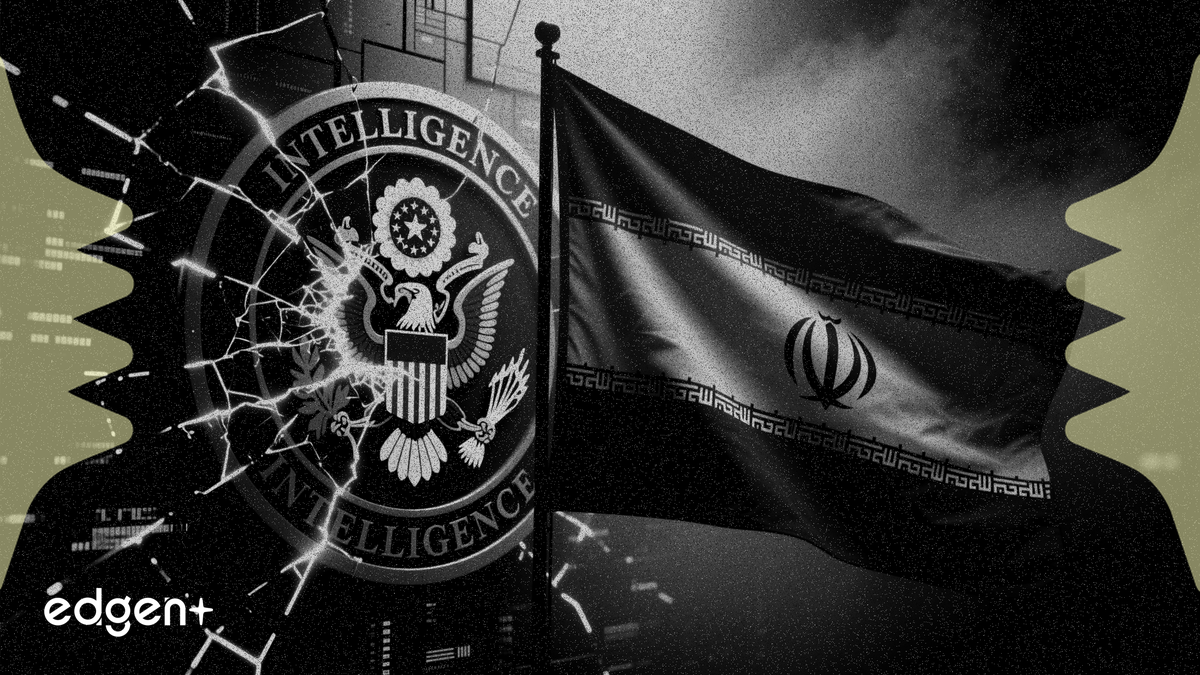
Gabbard Hires War Critic as Aide Quits on March 16
Director of National Intelligence Tulsi Gabbard solidified a non-interventionist bloc within her office on March 16 by hiring Dan Caldwell, a vocal critic of the administration's Iran policy. The move came the same day that National Counterterrorism Center Director Joe Kent resigned, stating he could not "in good conscience support the ongoing war in Iran." Both events underscore a growing internal schism over the military campaign against Tehran.
Caldwell, a former Pentagon official, was previously ousted in April 2025 over leak allegations for which he was never charged and retained his security clearance. His hiring, along with other key appointments like Will Ruger, signals Gabbard's intent to build a team ideologically opposed to President Trump's strategy. Kent, in his departure, argued Iran "posed no imminent threat to our nation."
Clash Emerges Over Policy That Has Hit 15,000+ Targets
The personnel changes reflect a fundamental disagreement over the scope and necessity of the US military operation in Iran. President Trump's policy has been aggressive, with US and Israeli forces striking over 15,000 targets, including the Natanz nuclear facility on March 2. The stated goals are to destroy Iran's missile industry, its navy, its proxy network, and its nuclear weapons capability. Administration officials report Iranian missile volumes are down 90% and more than 60 warships have been destroyed.
Caldwell and his allies represent a starkly different view. In a July op-ed, Caldwell argued that "while a nuclear-armed Iran is not ideal, it does not pose an existential threat to the United States." He has previously warned that a conventional strike would be "potentially catastrophic," reflecting a restraint-minded foreign policy that directly challenges the White House's premise for the conflict.
Internal Strife Creates Risk for Energy and Defense Investors
For investors, this internal administration conflict introduces significant policy uncertainty. The consolidation of a "resistance" faction within the national security apparatus creates questions about the durability and direction of the Iran campaign. Any shift towards de-escalation could negatively impact valuations for defense contractors benefiting from the conflict.
Conversely, a potential purge of these dissenting voices could signal an intensification of military operations, further affecting global energy markets and risk premiums on oil. A recent Quinnipiac poll showing the public split, with 53% opposing the intervention, adds another layer of political complexity. The primary risk for markets is not a specific outcome but the heightened unpredictability of US policy in a critical geopolitical region.
 Edgen Stock·Mar 19 2026, 02:28