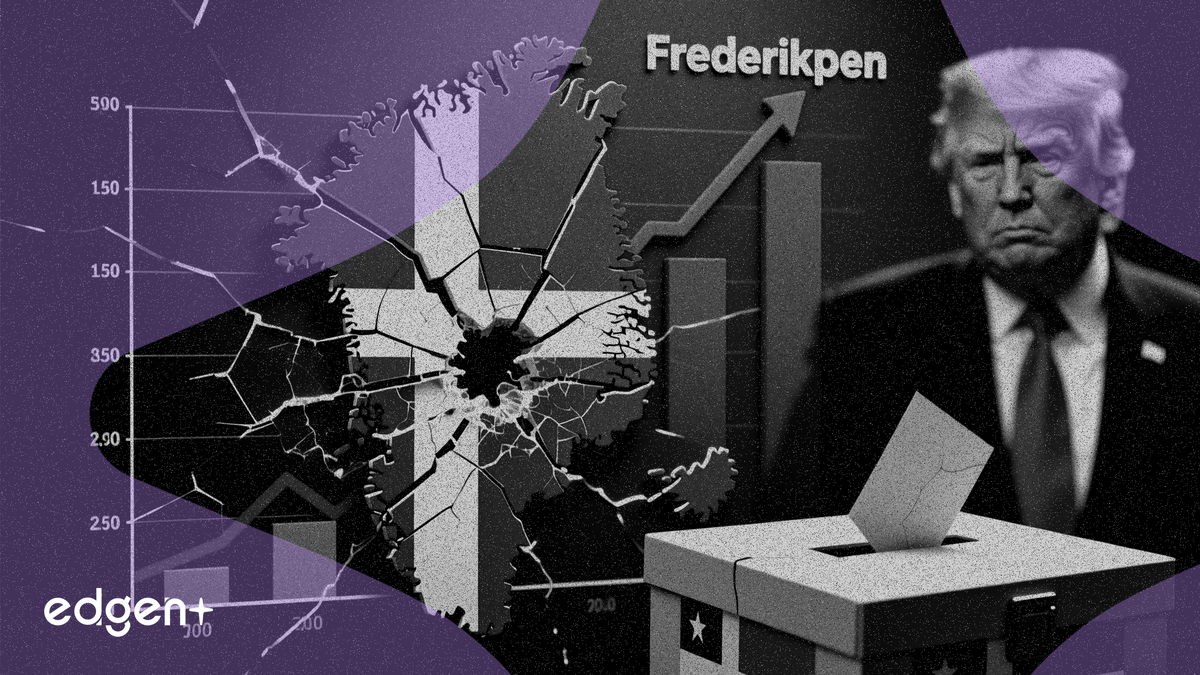
Greenland Standoff Lifts Frederiksen's Polls by 5 Points
A foreign policy crisis has handed Danish Prime Minister Mette Frederiksen a political lifeline. Following renewed efforts by former U.S. President Donald Trump in January to assert control over Greenland, Frederiksen's approval ratings climbed by 5 percentage points almost overnight. This surge prompted her to call an early general election for March 24, a strategic move to leverage her newfound support. Before the Greenland incident, her Social Democrats party was languishing near historic lows of around 21%, a significant drop from the 27.5% share secured in the 2022 elections. Frederiksen is now campaigning on a platform of providing "stable leadership" in an unstable world, casting herself as a defender of Danish sovereignty.
New 0.5% Wealth Tax Divides Denmark's Business Elite
In a bid to appeal to left-leaning voters, Frederiksen has proposed a controversial 0.5% wealth tax on individual assets exceeding 25 million kroner (approximately £3 million). The revenue is earmarked for social spending, including reducing primary school class sizes. This policy has triggered a swift and severe backlash from the nation's corporate leadership. Executives from industrial giants like shipping firm Maersk, wind turbine manufacturer Vestas, and toymaker Lego have publicly condemned the tax, warning it could stifle investment, job creation, and overall competitiveness. The pushback highlights a growing tension between the government's social agenda and the interests of Denmark's business community ahead of the election.
Unresolved Arctic Tensions Signal Broader Market Uncertainty
The geopolitical friction over Greenland, a strategically important Danish territory in the Arctic, is far from resolved. Danish officials have confirmed that a working group with the U.S. is addressing the issue, but they do not believe American interest in the territory has dissipated. This ongoing tension introduces a layer of uncertainty for investors, particularly in sectors related to defense, Arctic resources, and transatlantic trade. Frederiksen has used the crisis to position Denmark as a key "middle power" and a staunch NATO ally, having already donated all of the country's artillery to Ukraine. Her leadership style, while popular in a crisis, creates potential volatility in relations with the U.S. depending on the outcome of both countries' elections.
 Edgen Stock·Mar 19 2026, 02:31