BofA Outlines Three Conditions for Unlikely Rate Hike
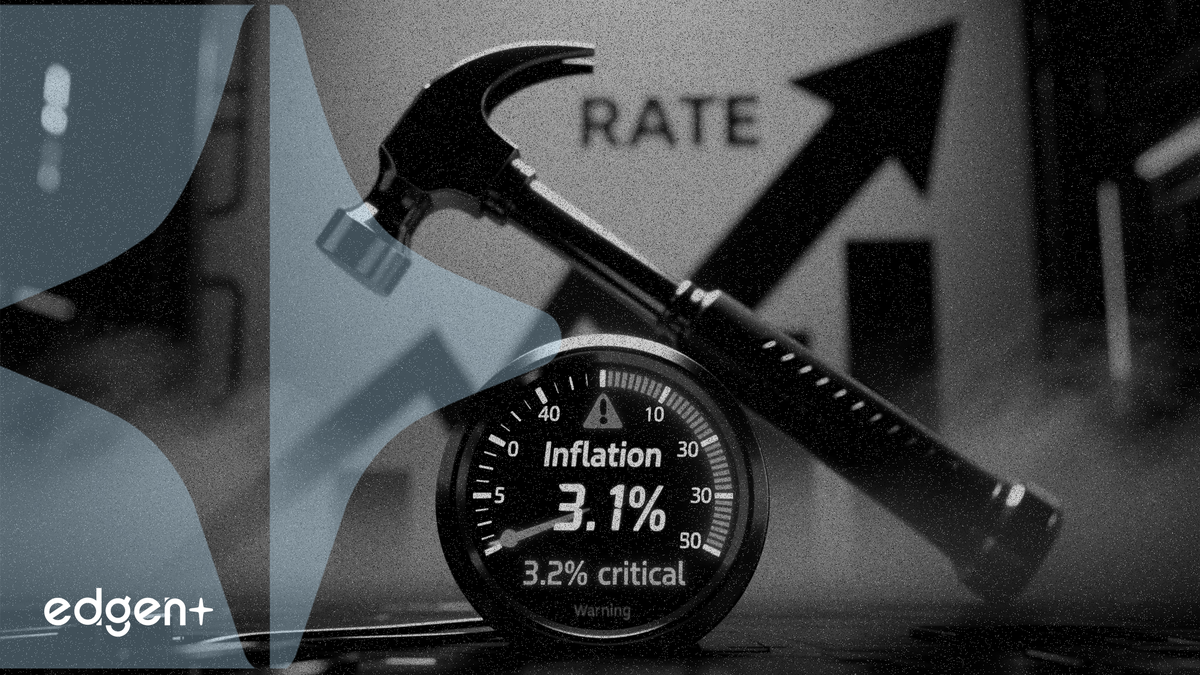
Bank of America economists have established a clear, albeit high, bar for the Federal Reserve to pivot from its holding pattern to a rate hike. In a March 20 report, economist Aditya Bhave detailed three necessary conditions for such a move. First, the labor market must remain stable, with the unemployment rate staying below 4.5%. Second, core Personal Consumption Expenditures (PCE) inflation, the Fed's preferred gauge, would need to re-accelerate and exceed 3.2%. Bank of America expects the February reading to reach 3.0%.
The report suggests this scenario is most likely to occur if a sustained but moderate energy shock keeps West Texas Intermediate (WTI) crude oil prices within the $80 to $100 per barrel range. Such a shock could push inflation higher, testing the Fed's resolve. This framework provides concrete metrics for investors after market expectations for rate cuts this year have been almost entirely priced out.
Markets Price 19% Chance of Hike as Cut Bets Disappear
Investors are recalibrating risk as the narrative shifts from expected easing to the possibility of further tightening. The probability of a Fed rate hike has increased significantly in derivatives markets. Data from prediction market Polymarket shows the odds of a hike have climbed to 19%, up from just 8% when the U.S.-Iran conflict began. Separately, the CME FedWatch tool indicates a 12% probability of a rate hike in April, a sharp increase from 0% the previous week.
This repricing reflects a dramatic shift in sentiment over less than three weeks, when markets had priced in approximately 60 basis points of rate cuts for the year. Now, with rate cut expectations virtually zeroed out, traders are treating the risk of a hike and a cut as more balanced, increasing sensitivity to upcoming inflation and employment data.
Powell's Chairmanship Becomes Key Variable for June Meeting
The third, and perhaps most critical, condition for a rate hike is the continued leadership of Jerome Powell as Federal Reserve Chair. Bank of America characterizes Powell as a "moderate dove" who prioritizes the labor market when risks are balanced. In contrast, his nominated successor, Kevin Warsh, is expected to have an even higher threshold for raising rates.
A potential delay in Warsh's confirmation process, stemming from Senator Thom Tillis's refusal to advance the nomination, could leave Powell at the helm for the June FOMC meeting. Bank of America identifies the June meeting as the earliest juncture at which the Fed could realistically consider a hike, making Powell's presence a direct and pivotal factor in any such decision.
 Edgen Stock·Mar 23 2026, 08:42