Cuba Opens to Investment After Blackouts Spark Protests
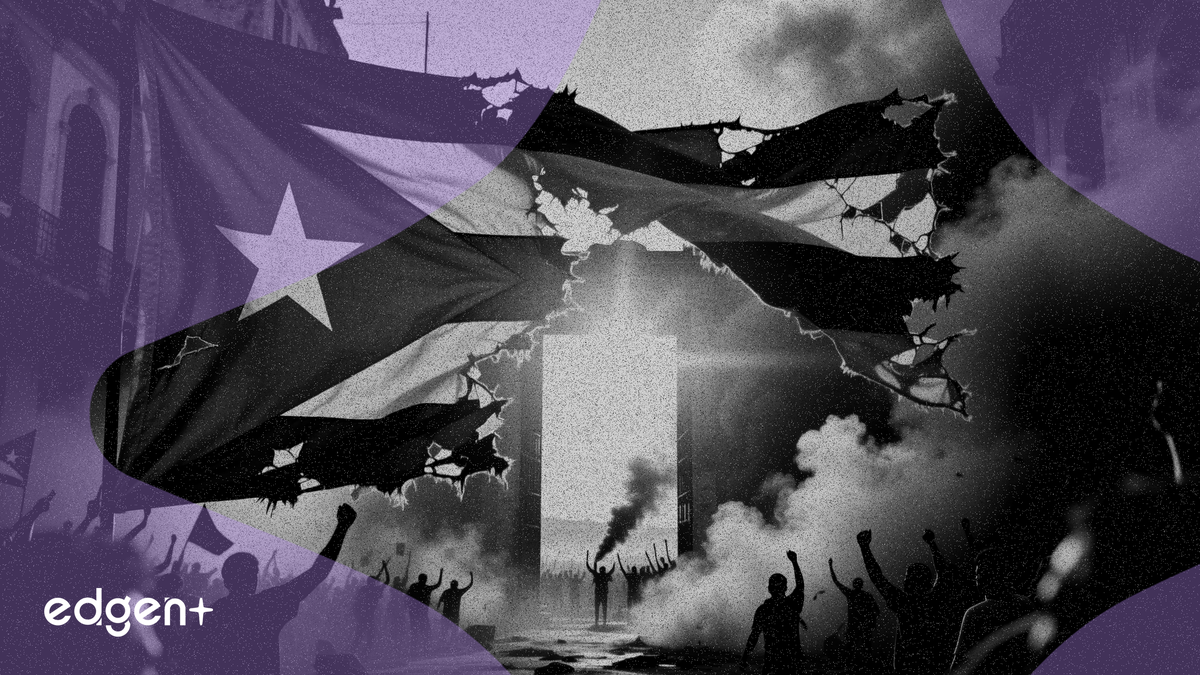
A severe economic crisis is forcing Cuba’s communist government to make significant policy concessions. The island's national electricity grid collapsed on March 17, 2026, marking the third such failure in four months and plunging the country into darkness. The blackout intensified existing shortages of food, water, and medicine, fueling a weekend of civil unrest that saw protesters set fire to a Communist Party headquarters in the province of Ciego de Ávila and take to the streets in Havana.
In a direct response to the escalating pressure, the Cuban government announced a landmark policy change on March 17. Deputy Prime Minister Oscar Pérez-Oliva Fraga stated that Cubans living abroad, including the large diaspora in the United States, will now be permitted to invest in and become owners of private businesses on the island. This move represents a dramatic reversal of the state-controlled economic model established after the 1961 nationalizations and is a clear attempt to attract hard currency to stabilize the failing economy.
Diplomatic Thaw Accelerates as US Confirms Talks
The domestic crisis has accelerated diplomatic engagement with the United States. On March 13, Cuban President Miguel Díaz-Canel publicly confirmed for the first time that talks were taking place between Havana and Washington to resolve bilateral issues. Cuba's top diplomat in Washington described the negotiations as both "serious" and "sensitive," signaling a potential breakthrough in a relationship strained for nearly seven decades.
This diplomatic outreach follows a sustained pressure campaign from the Trump administration, which cut off the supply of free Venezuelan oil that had served as an economic lifeline for the regime. U.S. President Donald Trump commented on March 15 that "something will happen with Cuba pretty quickly," suggesting a prospective economic deal could be announced soon. The policy reforms in Cuba appear aimed at creating a "dynamic business environment" to meet U.S. conditions and revive key sectors from tourism to infrastructure.
Russian Oil Tests High-Stakes Geopolitical Waters
While Cuba courts American investment, its geopolitical maneuvering introduces significant risk. A tanker carrying Russian oil is currently en route to the island, in a direct challenge to the U.S. embargo and President Trump's policy of barring hostile foreign powers from the Americas. The shipment creates a potential flashpoint that could complicate or derail any nascent economic agreement between Cuba and the U.S.
For investors, the situation presents a volatile mix of opportunity and risk. The opening of Cuba's private sector could unlock significant value in an economy that has been largely closed to international capital for over 60 years. However, the potential for a U.S.-Russia confrontation over the oil embargo, combined with deep-seated political instability and the unresolved issue of property expropriated during the revolution, creates a highly uncertain investment landscape. Any capital deployment would face extreme political risk until a stable, internationally recognized legal framework is established.
 Edgen Stock·Mar 20 2026, 03:20