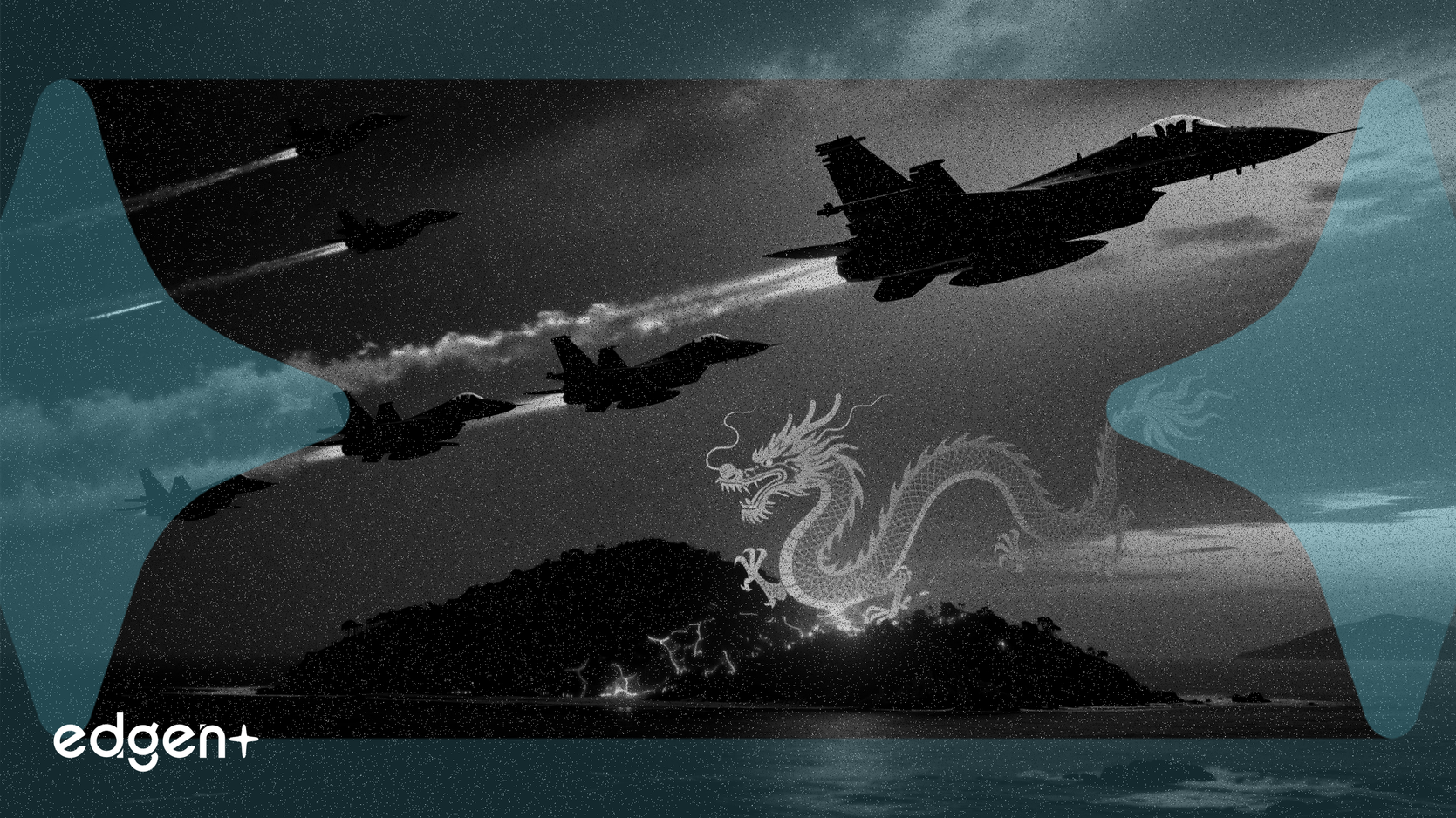
Beijing Ends 10-Day Lull with 26 Military Aircraft
China's military shattered a rare 10-day quiet spell on Sunday, resuming its pressure campaign against Taiwan with a significant show of force. Taiwan’s Ministry of National Defense reported detecting 26 Chinese military aircraft and seven naval vessels operating near the island over a 24-hour period. Of the aircraft, 16 crossed the median line of the Taiwan Strait or entered the island’s air-defense identification zone (ADIZ), marking a decisive end to the unexplained hiatus.
This resumption reinforces what analysts describe as a “new normal” of gray-zone harassment, where Beijing uses sustained, lower-level military activities to assert its territorial claims and wear down Taiwan's defenses. The sudden return to this pattern after a brief pause has reintroduced unpredictability into an already tense security environment.
Sorties Resumed After a 92% Plunge from Prior Year
The renewed activity stands in sharp contrast to the preceding two weeks, which saw an unusually dramatic drop in Chinese aerial maneuvers. In the two weeks leading up to the event, only seven Chinese aircraft were detected, a 92% decrease from the 92 sorties recorded during the same period last year. The lull included a full week from February 27 to March 5 with no reported flights in Taiwan's ADIZ.
Analysts had offered several theories for the temporary halt. The pause coincided with China's annual legislative meetings and occurred weeks before a potential U.S. presidential visit to Beijing, suggesting a possible political or diplomatic motive. Others speculated that China’s military was undergoing a strategic shift, potentially moving to a new phase of joint force training away from monitored airspace.
Geopolitical Risk Rises for Chip Sector and Asian Markets
The end of the military flight pause signals to investors that any perceived de-escalation was temporary. This renewed uncertainty elevates geopolitical risk, with potential consequences for global markets. Sectors with high exposure to regional stability, particularly the semiconductor industry centered in Taiwan, now face increased volatility.
Taiwan's military leadership had cautioned against reading too much into the flight stoppage, emphasizing that the underlying threat remained. Even during the aerial hiatus, Chinese naval activity continued. As Defense Minister Wellington Koo stated, the military must remain vigilant.
We cannot rely on a single indicator like the absence of aircraft.
— Wellington Koo, Taiwanese Defense Minister.
Investors will now closely watch for any further escalation, which could trigger a flight-to-safety trade favoring assets like the U.S. dollar and gold while placing downward pressure on Asian equity markets.
 Edgen Stock·Mar 16 2026, 06:35