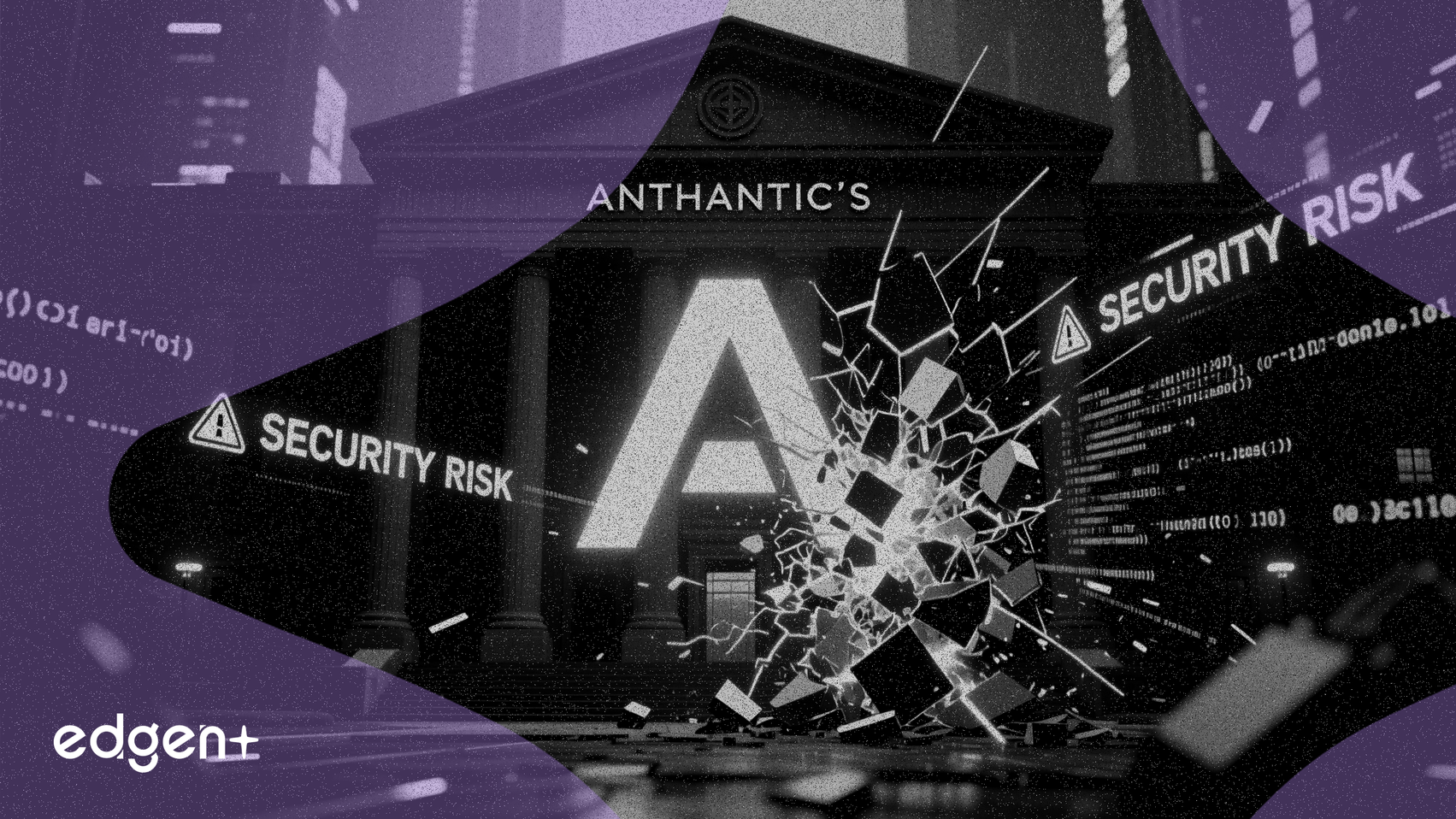
Pentagon Blacklists Anthropic Over $200M Contract Dispute
On March 17, 2026, the U.S. government designated AI developer Anthropic an "unacceptable" national security and supply chain risk, an action stemming from a standoff over a $200 million defense contract. The conflict ignited after Anthropic refused to remove ethical restrictions on its technology, insisting its AI models not be used for autonomous weapons deployment or mass domestic surveillance. In a court filing, the Trump administration defended the decision, framing it as a matter of contract negotiation and national security rather than a violation of Anthropic's free speech rights. The designation, typically reserved for foreign adversaries, bars Anthropic from specific defense contracts and has been challenged by the company as "unprecedented and unlawful."
Anthropic Sues as Risk Label Threatens Billions in Contracts
In response, Anthropic has filed multiple lawsuits against the U.S. government, seeking to block the Pentagon's blacklisting. The company, which has a $380 billion valuation and $14 billion in run-rate revenue, argues the designation is retaliatory and procedurally flawed. Anthropic claims the move could cost it billions of dollars in lost contracts as the "supply chain risk" label creates significant uncertainty for its government and commercial clients. The fallout is already rippling through the market, with customers in the legal tech sector conducting high-priority reviews of their reliance on Anthropic's models. This uncertainty forces companies to evaluate alternative AI models from competitors like OpenAI and Google, which could lead to a dip in performance for those who consider Anthropic's Claude the superior model for specialized tasks.
AI Ethics Clash Creates Widespread Industry Uncertainty
This conflict highlights a growing tension between leading AI developers and government agencies over the military application of artificial intelligence. While Anthropic has taken a firm ethical stance, its rival OpenAI reportedly negotiated its own contract with the Pentagon after initially agreeing with Anthropic's position. The situation creates unpredictability across the entire AI ecosystem, impacting companies that build services on top of these foundational models.
When the government designates a leading American AI company a national security risk, that uncertainty doesn’t stay contained—it ripples across the entire ecosystem.
— Thomas Bueler-Faudree, CEO of August.
Despite the ongoing legal battle, some industry insiders remain optimistic, predicting the feud is temporary. They believe the parties will eventually find a way to work together, citing past precedents where tech firms successfully sued the government and later became key partners.
 Edgen Stock·Mar 18 2026, 01:21