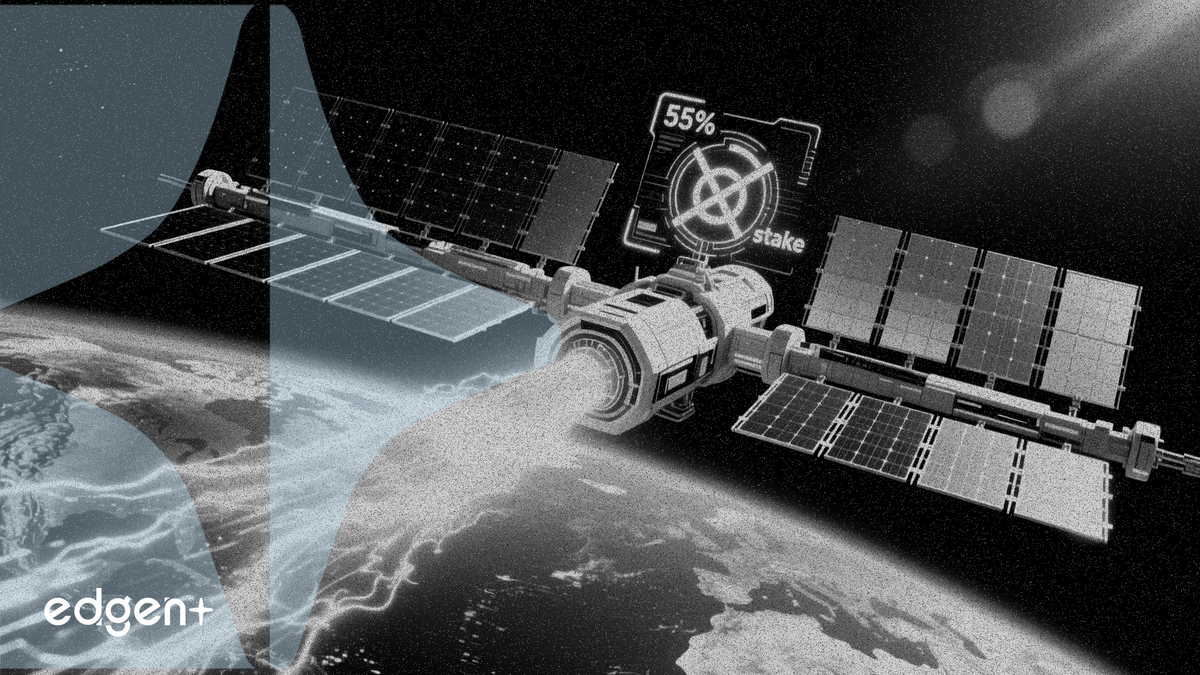
Zhonghuan New Energy (01735.HK), yeni nesil güneş enerjisi teknolojisiyle yüksek değerli uydu güç pazarından pay almayı hedefleyerek yeni bir ortak girişim aracılığıyla uzay fotovoltaik pazarına giriyor. Bu hamle, geleneksel malzemelerin hakimiyetine meydan okuyor ve Çin'in kendi uzay altyapısını inşa etme hedefleriyle uyumlu bir tablo çiziyor.
19 Mayıs'ta yapılan duyuruda şirket, Nanjing Havacılık ve Uzay Üniversitesi'nden (NUAA) bir araştırma ekibi tarafından desteklenen Suzhou Black Crown Optoelectronics Technology ile ortaklığını onayladı. Ortak girişim, uydular ve uzay istasyonları gibi havacılık uygulamaları için özel olarak perovskit/kristal silikon tandem güneş pilleri geliştirmeye ve üretmeye odaklanacak.
Zhonghuan, yeni oluşumda %55 kontrol hissesine sahip olacak. Ortaklık, üniversite ekibinin 20 yılı aşkın onaylı ömre sahip modüller ürettiği bildirilen gelişmiş perovskit araştırmalarını, Zhonghuan'ın temel kristal silikon hücreler için endüstriyel ölçekteki üretim yetenekleriyle birleştirmeyi amaçlıyor. Girişimin teknolojisi, %43'ün üzerinde teorik bir güç dönüştürme verimliliği ve gram başına 1,77 watt'lık bir güç-ağırlık oranı hedefliyor.
Bu stratejik giriş, 2035 yılına kadar uzay tabanlı fotovoltaiklerde öngörülen trilyon dolarlık pazar fırsatını değerlendirmeyi amaçlıyor. Talep büyük ölçüde SpaceX'in Starlink'i ve Çin'in kendi "Bin Yelken" programı da dahil olmak üzere, yüksek performanslı güneş pillerinin yüksek hacimli ve güvenilir bir tedarikini gerektiren devasa alçak Dünya yörüngesi uydu takımyıldızlarının hızlı konuşlandırılmasından kaynaklanıyor.
Uzay Güneş Enerjisinde Yeni Bir Rakip
Uzay güneş enerjisi pazarı tarihsel olarak, radyasyona dayanıklı ancak karmaşık üretim, yüksek maliyetler ve genellikle iki yılı aşan uzun üretim sürelerinden muzdarip olan III-V galyum arsenür (GaAs) pillerin hakimiyetindedir. Geleneksel karasal silikon piller seri üretilse ve ucuz olsa da, ağır ve pratik olmayan zırhlarla korunmadıkça yörüngedeki radyasyon nedeniyle hızla bozulurlar.
Zhonghuan'ın girişimi, silikon üzeri perovskit tandem pillerle bu ikilemi çözmeyi hedefliyor. Bu teknoloji, geleneksel bir silikon pilin üzerine ince, yüksek verimli bir perovskit pil tabakası yerleştirerek güneş spektrumunun daha fazlasını yakalamasına olanak tanıyor. Yörüngeye fırlatılan her gramın binlerce dolara mal olduğu uzayda, yüksek güç-ağırlık oranı kritik bir avantajdır.
Stratejik Bir Endüstri İçin Yerli Üretim
Ortaklığın yapısı, büyük uzay ülkeleri için temel bir stratejik hedefi vurguluyor: kritik uydu bileşenleri için dirençli, yerli bir tedarik zinciri oluşturmak. Tıpkı ABD'li yüklenicilerin üretimi ülke içine çekmeye çalışması gibi, Zhonghuan'ın girişimi de Çin'in ulusal uzay programları için gelişmiş güneş pillerini yurt içinde üretmesi için bir yol sağlıyor.
İş birliği simbiyotik olacak şekilde tasarlandı. NUAA destekli ekip uzmanlaşmış, yüksek performanslı perovskit teknolojisini getirirken, Zhonghuan New Energy, silikon taban katmanı için üretimi ölçeklendirmede - büyük ölçekli takımyıldız konuşlandırma taleplerini karşılamak için kritik bir yetenek - çok önemli bir deneyim sağlıyor.
Yatırımcılar için bu hamle, Zhonghuan New Energy'nin yüksek büyüme ve potansiyel olarak yüksek kar marjlı bir sektöre yaptığı erken aşama bir bahis niteliği taşıyor. Girişim henüz gelir öncesi aşamada olsa da, başarılı bir sonuç, şirketi Çin'in hızla genişleyen uzay ve uydu altyapısı için kilit bir tedarikçi olarak konumlandırabilir ve ana işinin ötesinde önemli bir uzun vadeli büyüme potansiyeli sunabilir.
Bu makale sadece bilgilendirme amaçlıdır ve yatırım tavsiyesi teşkil etmez.