Zero Sugar Products Drive 52% of Soda Sales Growth
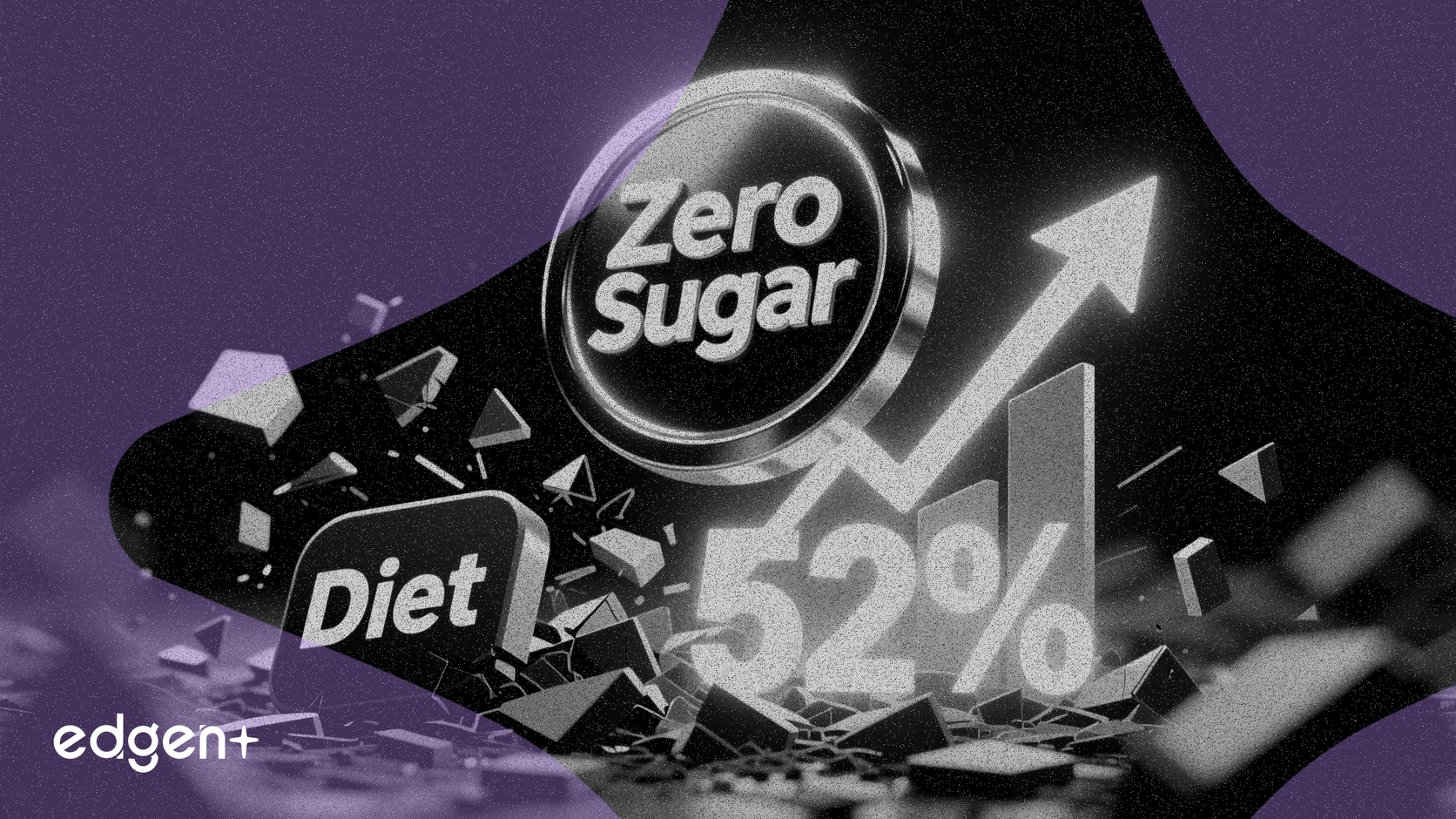
The U.S. soft drink market is undergoing a significant transformation as consumer tastes pivot sharply from traditional diet sodas to 'Zero Sugar' formulations. Last year, Zero Sugar products were responsible for 52% of the entire category's sales growth, according to Circana data. This trend comes as overall soda sales by volume have declined 27% over the last two decades. In the first nine months of 2025, both Pepsi and Coke saw sales volumes for their Zero Sugar lines increase, while sales for full-sugar Pepsi, full-sugar Coke, and Diet Pepsi declined. This shift underscores a clear rejection of 'diet' branding by younger, wellness-minded consumers in favor of products they perceive as having a 'health halo,' even though both formats are artificially sweetened.
KDP and PepsiCo Pivot Strategy, Boosting Sales by 14.4%
In response to this market evolution, major beverage companies are executing aggressive strategic pivots. Keurig Dr Pepper (KDP) has rapidly expanded its product line from having no Zero Sugar options in 2020 to offering over 40 today. The company strategically discontinued Diet versions of Sunkist, A&W, and Canada Dry, replacing them directly with Zero Sugar alternatives. This decisive action contributed to a 14.4% increase in KDP's U.S. beverage sales in the third quarter, reaching $2.7 billion. Similarly, PepsiCo is now allocating the vast majority of its Pepsi marketing budget to promote Pepsi Zero Sugar, including a high-profile Super Bowl commercial slot valued at more than $8 million. This redirection of resources highlights the company's commitment to winning the new generation of soda drinkers, a strategy supported by activist investor Elliott Investment Management, which took a roughly $4 billion stake in PepsiCo last year.
'Diet' Branding Becomes 'Radioactive' for Gen Z
The underlying driver of this industry-wide shift is a generational change in consumer psychology. Market researchers note that for younger consumers, particularly Gen Z, the word 'diet' has become 'radioactive,' associated with an outdated culture of calorie counting. A viral TikTok even likened Diet Coke to a 'fridge cigarette'—a known but accepted unhealthy pleasure. In contrast, 'Zero Sugar' branding resonates more effectively, suggesting a healthier choice that tastes closer to the original full-sugar version. Keurig Dr Pepper's research found that 72% of Gen Z consumers try a new beverage flavor every month, prompting the company to launch a variety of limited-edition Zero Sugar flavors like Dr Pepper Creamy Coconut to capture this experimental demographic.