
The yen's slide to a 40-year low near 163 per dollar has revived fears of a carry-trade unwind that could spill into US technology stocks, echoing the August 2024 selloff that erased 13% from the Nasdaq.
The yen's slide to a 40-year low near 163 per dollar has revived fears of a carry-trade unwind that could spill into US technology stocks, echoing the August 2024 selloff that erased 13% from the Nasdaq.
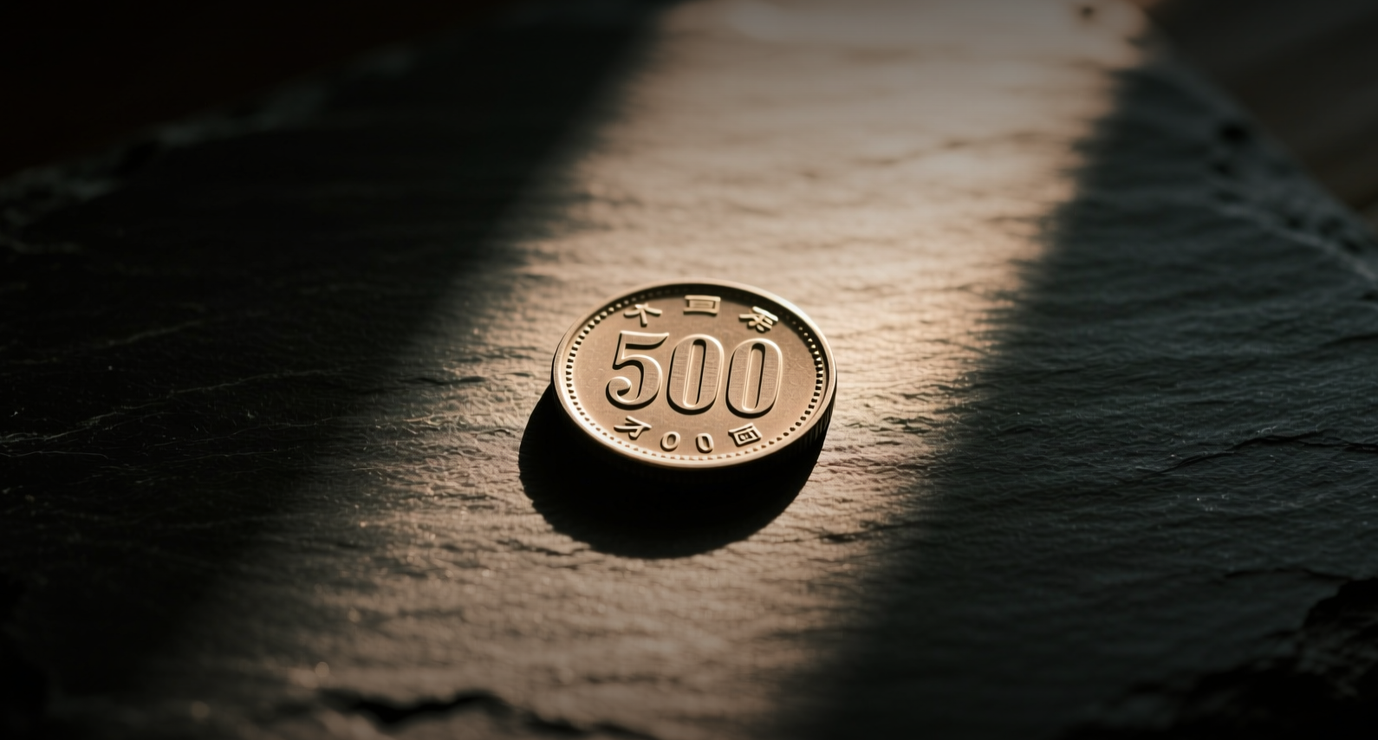
The yen weakened to its lowest level against the dollar since 1986, approaching 163 per dollar and putting traders on alert for Japanese intervention while reviving fears that a carry-trade unwind could spill into US technology stocks.
"The Ministry of Finance will intervene at some point, but any intervention is unlikely to reverse the broader uptrend in USD/JPY," said Carol Kong, currency strategist at Commonwealth Bank of Australia, who forecasts the pair rising to 164 by early 2027.
The yen slid as low as 162.77 per dollar in Asian trading, breaching the 161.95 level that triggered Japan's intervention campaign in July 2024, according to LSEG data. The currency was on track for a fourth straight quarterly decline, falling nearly 2% in the three months through June. Japan spent a record 11.73 trillion yen, equivalent to about $72.5 billion, on intervention between late April and late May, but the selloff resumed as risk appetite returned. The Bank of Japan raised its benchmark rate to 1% in June, the highest in more than three decades, yet the wide interest-rate differential with the US continues to favor carry trades. Speculators have built net short positions on the yen worth $11.3 billion, near the highest in two years, according to Commodity Futures Trading Commission data.
The risk for US equity investors lies in the yen-carry trade — a strategy where investors borrow yen at low rates to buy higher-yielding assets, including US technology stocks. When the BoJ surprised markets with a rate hike to 0.25% in July 2024, the yen surged from above 161 to below 142 per dollar in weeks, triggering a rapid unwinding of carry positions. Japan's Topix index plunged 12% in a single day, and the Nasdaq Composite fell more than 13% over several weeks. With the BoJ now at 1% and the Fed facing a 63% probability of a rate hike by September, according to CME FedWatch data, the conditions for a similar squeeze are building. The dollar index stood at 101.6, while the US 10-year Treasury yield held at 4.49%.
Japan's Finance Minister Satsuki Katayama said Tuesday the government was ready to take "decisive action" against excessive currency moves, language that historically precedes intervention. The Ministry of Finance has $162 billion in deposits and $932 billion in securities within its $1.09 trillion foreign-exchange reserves, according to Wells Fargo, giving it ample firepower for further intervention. Yet analysts caution that intervention alone is unlikely to reverse the yen's trajectory without a shift in US monetary policy. Thursday's US payrolls report, expected to show 110,000 jobs added in June, will be the next test — a strong print would reinforce the Fed's hawkish stance and keep pressure on the yen.
This article is for informational purposes only and does not constitute investment advice.
