

Xiaomi's aggressive push into the electric vehicle market is gaining serious traction, but investor optimism is tempered by concerns over long-term profitability.
Xiaomi's aggressive push into the electric vehicle market is gaining serious traction, but investor optimism is tempered by concerns over long-term profitability.
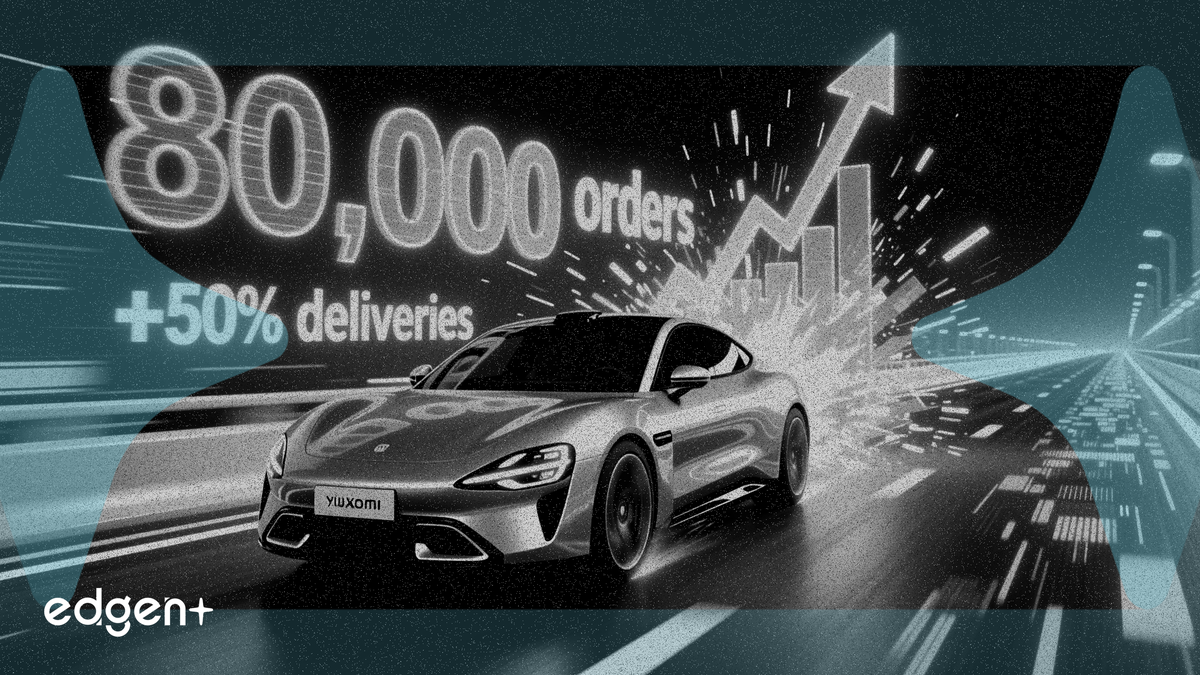
Xiaomi Corp.’s new SU7 electric sedan is off to a blistering start, securing more than 80,000 locked-in orders in the 48 days since its launch and signaling a potent new threat to established players in China’s crowded EV market. The strong demand fueled a 50 percent jump in vehicle deliveries in April from the prior month, immediately validating the smartphone giant’s high-stakes automotive gamble.
"Confirmed orders for the updated SU7 had exceeded 70,000 units," Chairman and CEO Lei Jun said on Weibo, noting that the company would streamline some configuration options to improve manufacturing efficiency. The company later confirmed the order book had swelled past 80,000 vehicles.
The tech giant delivered over 30,000 electric cars in April, a sharp acceleration from the 21,440 units delivered in March. The base model of the SU7 sedan starts at 219,900 yuan (approximately $30,400), a price point that aggressively undercuts rivals like Tesla's Model 3. The Pro and Max versions are priced at 249,900 yuan and 303,900 yuan, respectively. This competitive pricing, combined with the vehicle's high-tech features and sleek design, has resonated strongly with consumers.
The initial success provides a powerful tailwind for Xiaomi's ambitious expansion plans but puts immense pressure on competitors like BYD, Nio, and Tesla. While investors initially cheered the news, sending Xiaomi's Hong Kong-listed shares (1810.HK) up as much as 11 percent, the path to profitability remains a key concern. Analysts at Citi flagged that the EV division's margins are expected to remain tight due to launch subsidies and the high costs of scaling production.
Xiaomi is not resting on the SU7's success. The company is set to launch a high-performance SUV, the YU7 GT, in late May. Positioned as a "grand tourer," the model balances luxury with formidable speed, boasting electric motors that produce 738 kW (990 horsepower) and a top speed of 300 km/h.
The YU7 GT will feature a large 101.7 kWh battery pack, providing an estimated range of 705 km on a single charge. This move into the premium, high-performance SUV segment is a clear statement of intent, challenging established luxury and performance brands directly.
While the launch has been a success, Xiaomi faces a steep climb to meet its long-term goals. The company has delivered 109,000 vehicles in the first four months of 2026, representing just under 20 percent of its ambitious 550,000-unit target for the full year. Achieving this goal would require monthly deliveries to average over 55,000 for the remainder of the year—a significant increase from the current record pace.
The primary challenge will be scaling manufacturing without compromising quality or further eroding margins. Citi analysts noted that while the EV momentum is strong, Xiaomi's core smartphone business faces headwinds from rising component costs. The combination of EV production expenses and pressure on its traditional business lines means the company must navigate a difficult balancing act to turn its initial EV splash into sustainable automotive success.
This article is for informational purposes only and does not constitute investment advice.

