


Walmart's decision to accept Apple Pay and Google Pay ends a decade-long refusal that made it the last major US retailer to block third-party mobile wallets.
Walmart's decision to accept Apple Pay and Google Pay ends a decade-long refusal that made it the last major US retailer to block third-party mobile wallets.
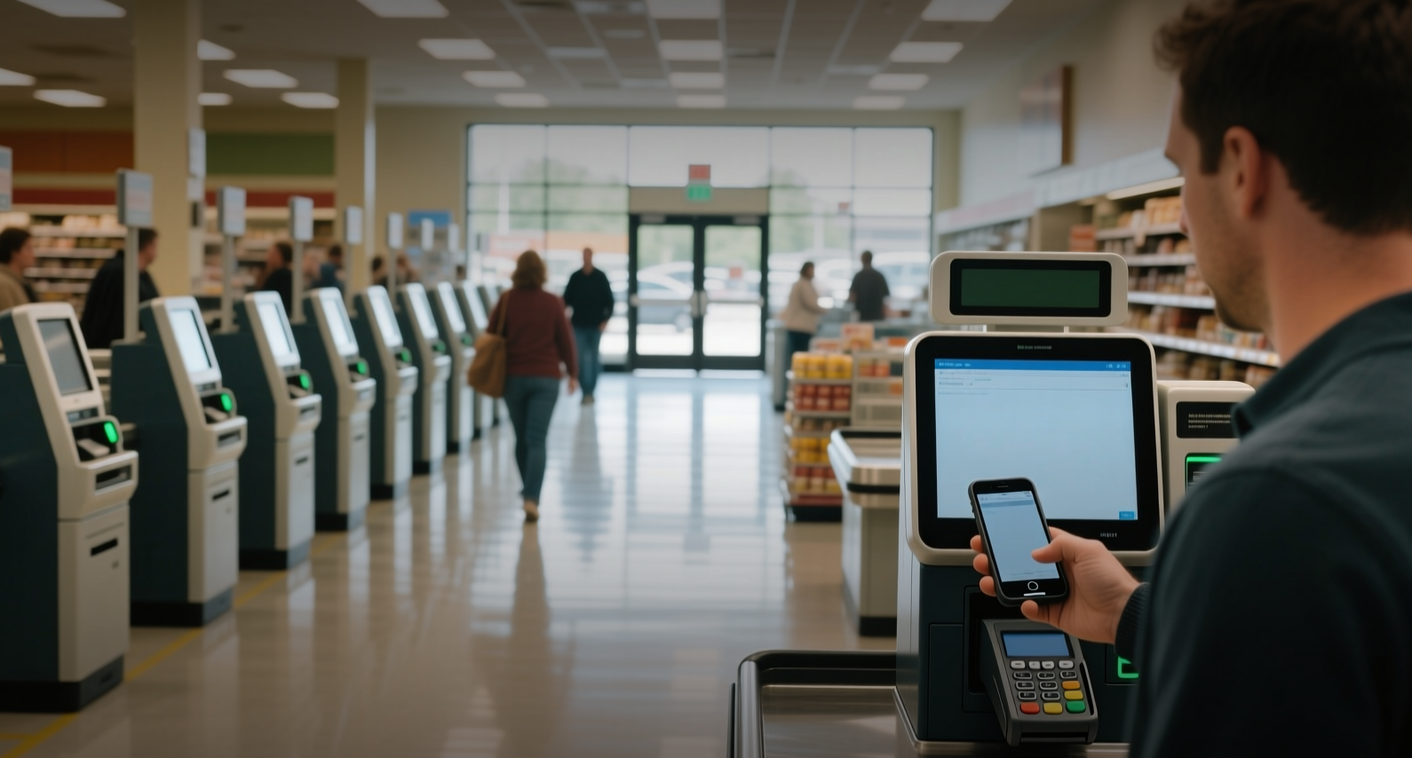
Walmart will begin accepting Apple Pay and Google Pay tap-to-pay at select stores Aug. 24, ending a 10-year standoff that made the retailer the biggest holdout among major US chains.
"We want customers and members to have choice in how they pay, so they can check out in the way that works best for them," the company said in a press release.
The rollout starts at select Walmart and Sam's Club locations Aug. 24, extends to all US stores by the end of 2026, and reaches fuel stations by mid-2027. Walmart Pay will continue alongside the new options, and the company's OnePay card will also be eligible for digital wallet tap-to-pay.
The move marks a strategic retreat from Walmart's decade-long effort to keep payment data inside its own systems. Tap-to-pay wallets from Apple, Google, and Samsung tokenize card numbers, preventing Walmart from accessing the transaction data it captures through Walmart Pay's QR-code checkout or physical card swipes.
The Data Control Trade-Off
Walmart has pushed its own payment tools since 2016, when it launched Walmart Pay as a QR-code-based alternative to Apple Pay. The retailer also briefly backed CurrentC, a rival mobile payment consortium, before withdrawing support due to low adoption. Both efforts kept transaction data within Walmart's own systems, giving the company visibility into customer purchasing behavior that third-party wallets would obscure.
That data-control incentive hasn't disappeared. Walmart's decision to accept tap-to-pay alongside Walmart Pay and Sam's Club's Scan & Go suggests the company is prioritizing customer convenience over data exclusivity. The company's OnePay card, when loaded into a digital wallet, will also work with tap-to-pay, giving Walmart a way to keep some payment data flowing through its own rails.
The economics of this trade-off are significant. Every transaction processed through Walmart Pay generates data on what customers buy, when they buy, and how often they return. That data feeds inventory planning, targeted promotions, and supplier negotiations. By opening the door to Apple Pay and Google Pay, Walmart cedes a portion of that data to third-party payment processors — a cost the company has been unwilling to absorb for more than a decade.
Competitive Pressure and Market Impact
Walmart was the last major US retailer to hold out on contactless payments. Target, Kroger, Home Depot, and Costco all adopted Apple Pay and Google Pay years ago. Walmart has accepted Apple Pay at its Canadian stores since 2020, but US stores remained the exception until now.
Google welcomed the move with a blog post encouraging customers to use Google Pay at Walmart. Apple has not yet commented publicly. For Apple, the adoption expands the reach of Apple Pay into Walmart's more than 4,600 US stores, potentially boosting transaction volume across its payment platform. For Google, it adds another major retail partner for Google Pay at a time when the company is pushing deeper into commerce.
For Walmart, the change addresses a long-standing customer complaint. Contactless payments have become the default expectation at most US retailers, and Walmart's refusal was increasingly seen as an inconvenience. As a Dow component, Walmart could see modest positive sentiment from the customer experience improvement, though the financial impact is likely to be indirect. For Apple, the move could support services revenue growth as more consumers use Apple Pay in everyday retail settings.
Walmart's adoption of tap-to-pay also reflects a broader shift in US retail payments. Contactless payment volume has grown steadily as consumers increasingly use mobile wallets for everyday purchases. The retailer's decision removes one of the last major barriers to universal tap-to-pay adoption in US retail, potentially accelerating the transition away from magnetic stripe and chip card payments.
The fuel station rollout is the last piece. Tap-to-pay won't reach Walmart and Murphy USA fuel stations until mid-2027, meaning customers will continue swiping cards at gas pumps for nearly another year.
This article is for informational purposes only and does not constitute investment advice.
