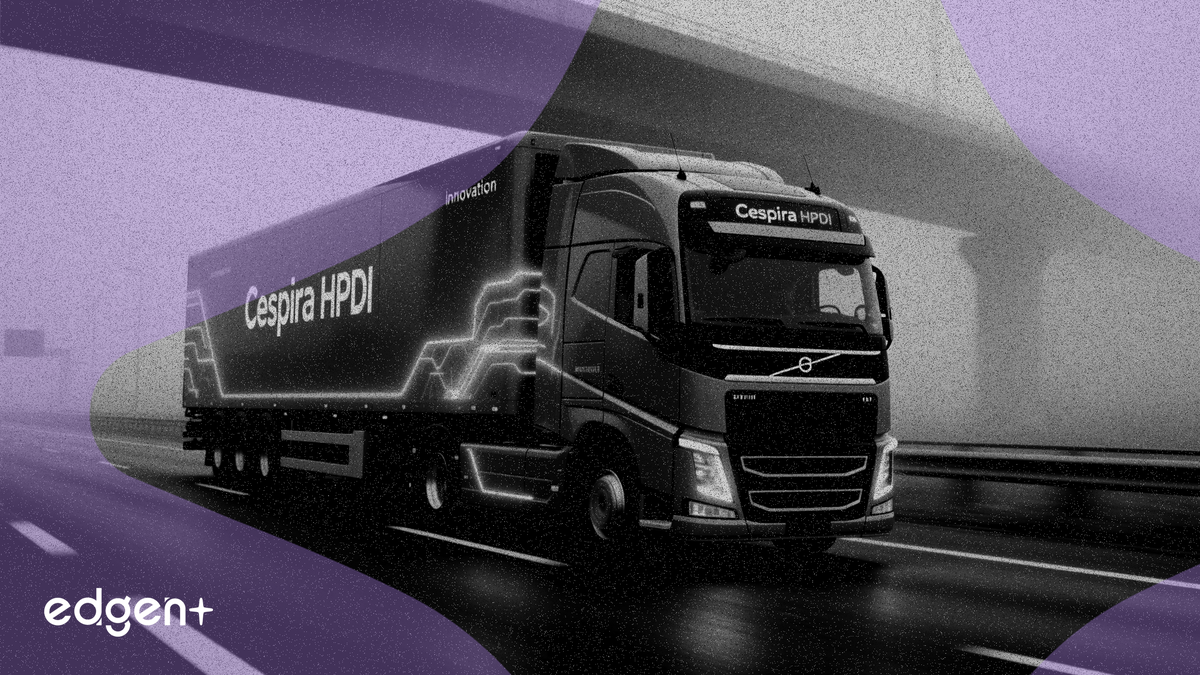
Volvo Trucks chuẩn bị bắt đầu thử nghiệm thực tế các loại xe tải hạng nặng chạy bằng động cơ đốt trong bằng hydro, một bước đi có thể đẩy nhanh quá trình khử carbon trong lĩnh vực vận tải. Các xe tải mới sẽ sử dụng hệ thống nhiên liệu chuyên dụng từ Cespira, một liên doanh của Westport Fuel Systems, với kế hoạch ra mắt thương mại trước năm 2030, có khả năng thách thức sự thống trị của các giải pháp chạy điện bằng pin trong phân khúc xe hạng nặng.
"Khách hàng sẽ có thể vận hành chúng giống như xe tải chạy bằng dầu diesel. Kinh nghiệm của chúng tôi với công nghệ HPDI trên hơn 10.000 xe tải chạy bằng khí là minh chứng mạnh mẽ cho hiệu suất của nó," Jan Hjelmgren, Trưởng bộ phận Quản lý Sản phẩm tại Volvo Trucks, cho biết trong một tuyên bố.
Các xe tải sẽ sử dụng công nghệ Phun trực tiếp áp suất cao (HPDI) của Cespira. Hệ thống này phun một lượng nhỏ nhiên liệu đánh lửa ở áp suất cao để cho phép đánh lửa cưỡng bức trước khi hydro được đưa vào. Volvo cho biết phương pháp này mang lại hiệu suất năng lượng cao hơn và công suất động cơ lớn hơn. Khi sử dụng hydro xanh và HVO tái tạo làm nhiên liệu đánh lửa, các xe tải này được phân loại là Phương tiện không phát thải (ZEV) theo tiêu chuẩn EU.
Sự phát triển này giúp Volvo cung cấp phạm vi rộng hơn các giải pháp vận tải bền vững, thu hút những khách hàng có nhu cầu vận hành đa dạng. Đối với Westport Fuel Systems (WPRT), sự hợp tác với một nhà sản xuất thiết bị gốc (OEM) lớn như Volvo đại diện cho một bước tiến quan trọng trong việc thương mại hóa công nghệ HPDI, có khả năng thúc đẩy vị thế cạnh tranh trên thị trường nhiên liệu thay thế và thu hút sự chú ý của nhà đầu tư.
Chiến lược của Volvo không chỉ dựa vào việc đốt hydro. Công ty đang theo đuổi cách tiếp cận ba hướng để khử carbon, bao gồm cả hệ truyền động điện chạy bằng pin và điện chạy bằng pin nhiên liệu. Công ty có kế hoạch ra mắt xe tải điện chạy bằng pin nhiên liệu với số lượng ít trước năm 2030, cho thấy một cách tiếp cận đa dạng đối với các công nghệ hệ truyền động trong tương lai.
Việc sử dụng công nghệ HPDI là một yếu tố khác biệt then chốt. Kinh nghiệm sâu rộng của Volvo với hệ thống này trên các xe tải chạy bằng khí hiện có tạo nền tảng vững chắc cho việc ứng dụng vào động cơ chạy bằng hydro. Điều này có thể mang lại cho Volvo lợi thế cạnh tranh so với các đối thủ vốn chỉ tập trung vào các giải pháp chạy điện bằng pin hoặc pin nhiên liệu.
Tại sao điều này lại quan trọng
Việc chuyển sang xe tải đốt hydro cho phép Volvo tiếp cận phân khúc rộng hơn của thị trường vận tải hạng nặng. Đối với các lộ trình đường dài, nơi thời gian sạc và trọng lượng pin là những mối lo ngại lớn, việc đốt hydro cung cấp một lựa chọn thay thế hấp dẫn. Điều này có thể đặc biệt phù hợp với các thị trường có cơ sở hạ tầng sạc hạn chế nhưng có tiềm năng sản xuất hydro xanh. Thành công của các cuộc thử nghiệm thực tế này có thể mở đường cho việc áp dụng rộng rãi hydro làm nhiên liệu cho vận tải hạng nặng, một lĩnh vực vốn dĩ khó khử carbon.
Bước tiếp theo
Các cuộc thử nghiệm thực tế sẽ là bước quan trọng để xác nhận hiệu suất, độ tin cậy và tổng chi phí sở hữu của những chiếc xe tải chạy bằng hydro này. Thử nghiệm thành công sẽ có ý nghĩa quyết định trong việc đảm bảo đơn đặt hàng của khách hàng và mở rộng quy mô sản xuất. Việc ra mắt thương mại, dự kiến trước năm 2030, sẽ là một cột mốc quan trọng cho cả Volvo và Westport Fuel Systems. Tiến độ của các thử nghiệm này và phản ứng sau đó của thị trường sẽ được các đối thủ cạnh tranh và ngành vận tải nói chung theo dõi sát sao.
Bài viết này chỉ nhằm mục đích cung cấp thông tin và không cấu thành lời khuyên đầu tư.