
The USS Abraham Lincoln's 250-day deployment — the longest uninterrupted stretch at sea in US Navy history — is ending as the Iran war pivots from combat to economic pressure.
The USS Abraham Lincoln's 250-day deployment — the longest uninterrupted stretch at sea in US Navy history — is ending as the Iran war pivots from combat to economic pressure.
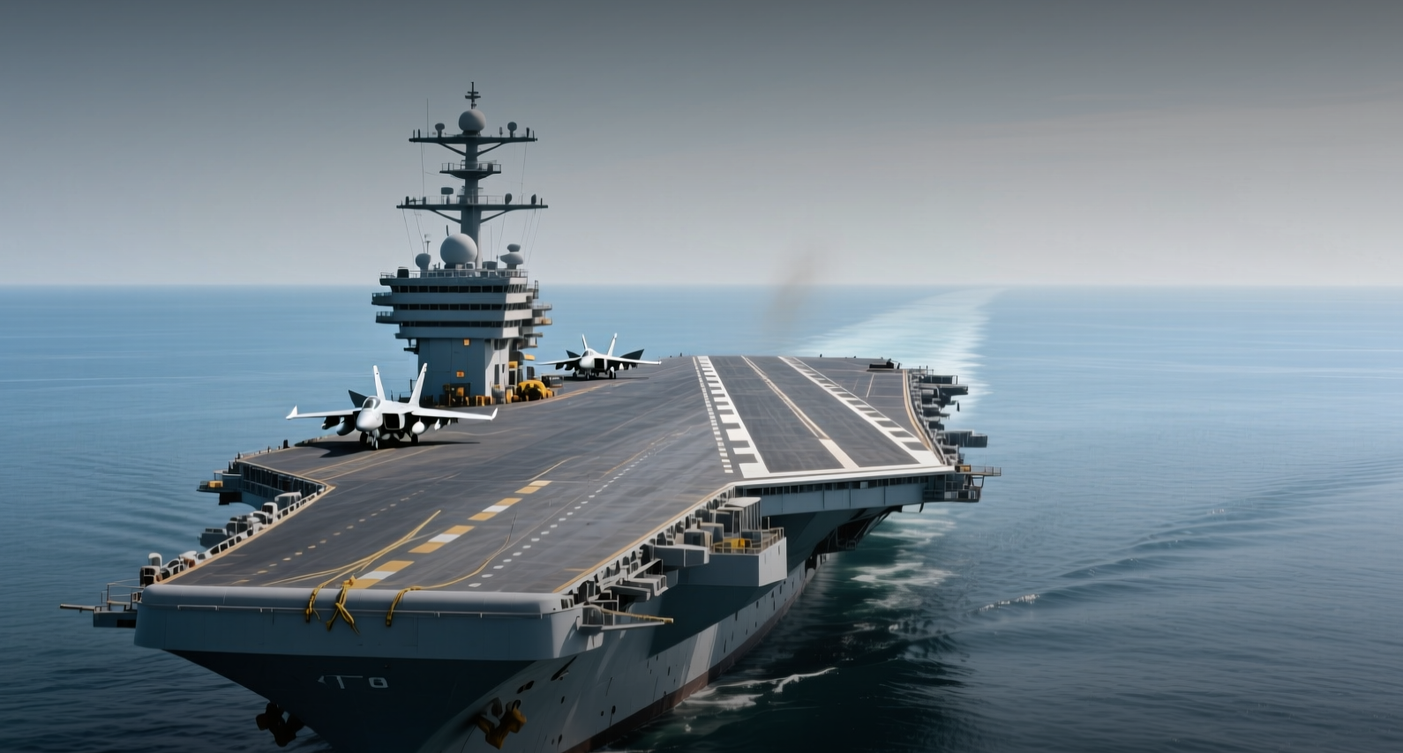
The USS Abraham Lincoln is heading to Thailand after more than 250 consecutive days at sea, ending the US Navy's longest carrier deployment as Washington shifts its Iran campaign from airstrikes to economic blockade.
The carrier was dispatched to the region as a show of force, Iran's Foreign Ministry spokesperson said, as the vessel now heads to Thailand for crew rest and recuperation.
The Lincoln left San Diego on Nov. 21, 2025, expecting a six-month deployment. It made one port stop in Guam in mid-December and has since been at sea for more than 250 consecutive days, a record for an uninterrupted stretch. The USS George Washington has arrived in the Arabian Sea to take over operations, U.S. Central Command said.
The deployment's end coincides with a shift in the conflict's center of gravity. President Trump has threatened "economic D-Day" against Iran, and Treasury Secretary Scott Bessent has touted a blockade that has stopped 67 commercial ships from transiting the Strait of Hormuz. Brent crude traded near $93.90 a barrel Thursday, up almost 2 percent, as the war's economic front tightens.
The carrier's nine-month deployment drew mounting scrutiny from lawmakers and family members who raised alarms about crew conditions. Reports described cold showers, clogged toilets, inadequate supplies and deteriorating food quality, with one photo showing a meal of boiled carrots, a dry meat patty and gray processed meat. Trump dismissed the concerns, saying the deployment had "not gone on nearly long enough."
"Now the most recent communications, even with my husband, who snaps into military mode, he just does his job, even he sounds so just defeated," Ashley Rogers, the wife of a higher-ranking officer aboard the Lincoln, told Newsweek.
The Navy pushed back on reports of a mental-health crisis, saying it had not identified an increase in suicidal ideation or attempts aboard the ship. Adm. Brad Cooper, commander of U.S. Central Command, said the Lincoln had "among the lowest number of cases related to mental health" among the Navy's 11 active carriers.
The carrier's departure comes as the war's military phase gives way to economic warfare. Trump on Wednesday threatened "Economic Warfare and Isolation on an unprecedented scale," calling it "an economic D-Day." Bessent said Washington expects allies and rivals alike to join the campaign, telling China to "get with the program."
The blockade has already reshaped global energy flows. The Strait of Hormuz, which handled about 21 percent of global oil trade before the war began Feb. 28, has seen commercial traffic dwindle to single digits on some days. Oil prices have climbed steadily since early August, with Brent rising to $93.90 a barrel and West Texas Intermediate near $86.
The economic campaign carries risks. Iran's foreign minister, Abbas Araghchi, dismissed the threat as "a diversion from America's own crisis: unprecedented debt & surging interest costs," noting the U.S. national debt topped $40 trillion Wednesday. Iran's deputy foreign minister, Kazem Gharibabadi, said the military war "did not work, so now they have called the next defeat an 'economic war.'"
The last time Washington imposed a sweeping blockade on Iranian oil exports, in 2018, crude prices spiked more than 20 percent over three months before the Trump administration granted waivers to key buyers. This time, no waivers have been announced, and the blockade has been paired with sanctions targeting a network smuggling cash to Hezbollah.
For the Lincoln's crew, the journey home offers relief after a deployment that stretched far beyond the standard six months. The carrier is expected to return to San Diego within weeks, though the Navy declined to confirm a date, citing operational security. The ship may later relocate to Naval Base Kitsap in Bremerton, Washington.
This article is for informational purposes only and does not constitute investment advice.
