
Key Takeaways
- 미국은 4년 내에 핵심 광물, 의약품, 반도체 분야에서 중국으로부터 '의미 있는 독립'을 달성하는 것을 목표로 합니다.
- 스콧 베센트 재무장관은 목표가 세계 두 최대 경제국을 '디커플링이 아닌 디리스킹'하는 것이라고 밝혔습니다.
- 행정부는 AI 경쟁을 중대한 국가 안보 문제로 보고 있으며, 주도권 확보를 위한 18개월의 일정을 제시했습니다.
Key Takeaways
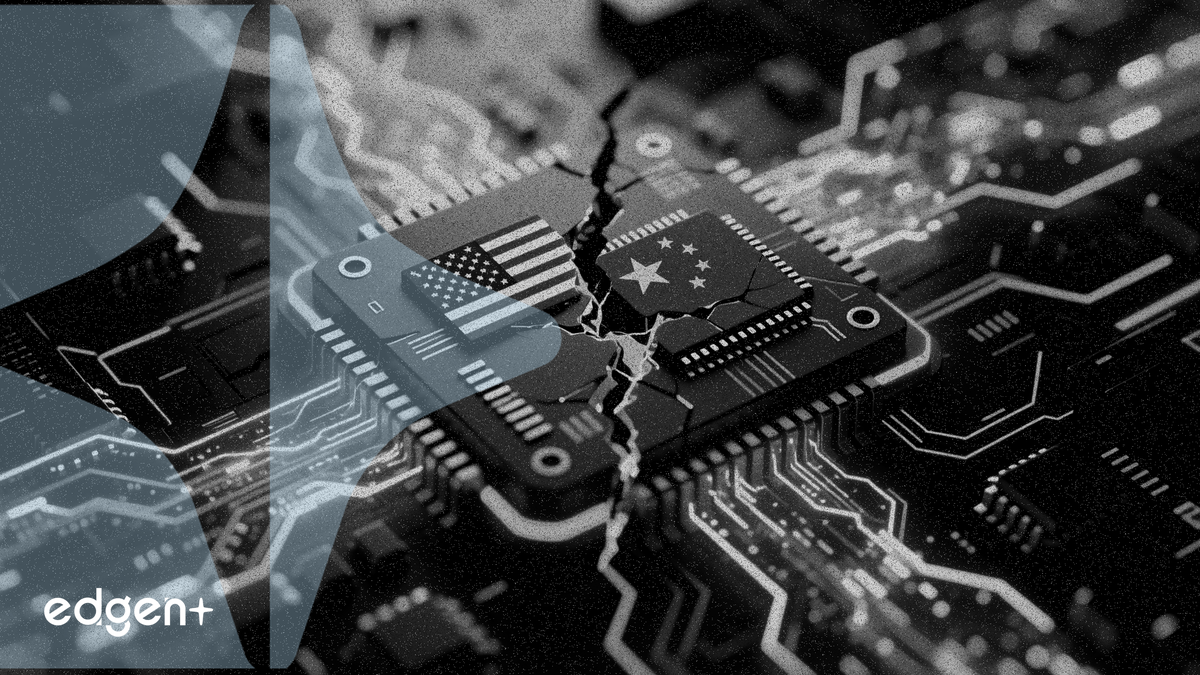
스콧 베센트 재무장관에 따르면, 트럼프 행정부는 반도체와 인공지능을 포함한 핵심 분야에서 중국으로부터 '의미 있는 독립'을 달성하기 위한 4개년 계획을 추진하고 있습니다. 베센트 장관은 목표가 세계 두 최대 경제국을 '디커플링이 아닌 디리스킹'하는 것이라고 말했습니다.
베센트 재무장관은 인터뷰에서 "우리는 디커플링이 아닌 디리스킹을 해야 한다"고 밝히며, 중국에 대한 핵심 기술 의존도를 낮추는 동시에 무역을 지속하는 균형 잡힌 전략을 설명했습니다.
이 정책은 세 가지 특정 분야인 핵심 광물, 의약품, 반도체에 집중합니다. 베센트 장관은 이 과정이 "9개월마다 단계적으로 진행되며 아마도 4년 안에 완전히 해결될 것"이라고 언급했습니다. 이는 미국이 희토류 자석 수출을 제한한 중국에 대응하여 데이터 통제와 기술 제한을 통해 압박을 가하고 있는 상황에서 나온 것입니다.
이 전략은 중국과의 기술 경쟁을 시급한 국가 안보 사안으로 보는 행정부의 시각을 강조합니다. 베센트 장관은 "AI에서 이기지 못하면 게임은 끝난 것"이라고 경고하며, 확정적인 우위를 점하기 위한 타임라인으로 "1년, 아마도 18개월"을 제시했습니다. 미국과 중국은 다음 달 베이징에서 열리는 정상회담에서 AI 문제를 논의할 예정입니다.
베센트 장관은 행정부의 대중국 접근 방식을 완전한 단절이 아닌 '재조정'으로 묘사했습니다. 농업, 에너지, 금융 서비스 분야의 무역은 계속되겠지만, 국가 안보에 필수적인 기술에 대해 회복력 있고 독립적인 공급망을 구축하는 데 초점이 맞춰질 것입니다. 이 전략은 다음 달 베이징에서 열릴 트럼프 대통령과 시진핑 주석의 정상회담에서 시험대에 오를 것입니다. 베센트 장관은 이 회담이 베이징의 영향력을 최소화하기 위한 미국의 조치 속에서도 '안정성'을 확보하고 관계를 예측 가능하게 유지하기 위한 것이라고 설명했습니다.
행정부의 시각은 중국의 글로벌 야망에 대한 뿌리 깊은 불신에 의해 형성되었습니다. 베센트 장관은 "그들은 자신들이 '중화(Middle Kingdom)'였다고 믿는다"며 중국은 "동맹을 맺은 적이 없으며 속국만 있을 뿐"이라고 덧붙였습니다. 이러한 관점은 일대일로와 같은 이니셔티브에 대응하려는 미국의 추진력을 뒷받침합니다. 베센트 장관은 세계은행이나 IMF와 같은 미국 주도 기구의 '소프트 파워' 동기와 대조적으로 일대일로가 '하드 파워의 이유'에 의해 주도된다고 주장합니다.
인공지능 경쟁은 베센트 장관의 의제 중 가장 시급한 항목입니다. 그는 고위급 그룹이 매주 모여 AI 모델을 모니터링하고 취약성을 평가하고 있으며, 범죄자나 적대적 행위자의 악용을 우려하고 있다고 밝혔습니다. 베센트 장관에 따르면 '최고의 위협'은 AI가 코로나보다 '10배 더 나쁜' 생물학적 작용제를 만드는 데 사용될 가능성입니다.
혁신을 촉진하면서 이러한 위험을 완화하기 위해 행정부는 첨단 칩 수출 통제와 같은 표적 규제와 산업의 위축을 피하는 완화된 접근 방식을 병행하고 있습니다. 이 방식은 미국이 중국보다 앞서 나갈 수 있도록 설계되었습니다. 아메리칸 에지 프로젝트(American Edge Project)에 따르면 중국은 AI를 국가 전략의 핵심으로 삼았으며, 중국 기업의 83%가 생성형 AI를 사용하는 반면 미국 기업은 65%에 그치고 있습니다.
기술 독립을 위한 추진은 제조 역량을 리쇼어링하려는 더 광범위한 산업 정책의 일부입니다. 이는 미국 반도체 산업에 대한 상당한 투자로 이어졌습니다. 예를 들어, 인텔은 2026년 초까지 칩 제조 장비 주문을 전년 대비 50% 이상 늘렸으며 현재 1.8nm 18A 공정 노드를 대량 생산 중입니다. 인텔의 차기 14A 노드는 외부 고객을 위해 특별히 설계되고 있으며, 이는 파운드리 거물인 TSMC와 경쟁하기 위한 조치입니다.
AI 칩 설계의 선두주자인 엔비디아는 인텔에 50억 달러의 전략적 투자를 단행했는데, 이는 TSMC에 대한 의존도와 대만과 관련된 지정학적 리스크를 줄이기 위해 공급망을 다변화하려는 움직임으로 풀이됩니다. 이 신흥 파트너십을 통해 인텔은 엔비디아의 첨단 AI 칩을 패키징하고 조립하여 국내 대안을 제공하고 미국 반도체 생태계의 회복력을 강화할 수 있습니다. 미국 정부 또한 인텔 지분 약 10%를 인수하여 이 회사를 국가 산업 정책의 초석으로 자리매김했습니다.
이 기사는 정보 제공 목적으로만 작성되었으며 투자 조언을 구성하지 않습니다.
