
Nhà Trắng đang chuẩn bị áp mức thuế 100% đối với các loại thuốc và thành phần nhập khẩu, một động thái đe dọa làm đảo lộn chuỗi cung ứng dược phẩm toàn cầu và làm leo thang căng thẳng thương mại.
Nhà Trắng đang chuẩn bị áp mức thuế 100% đối với các loại thuốc và thành phần nhập khẩu, một động thái đe dọa làm đảo lộn chuỗi cung ứng dược phẩm toàn cầu và làm leo thang căng thẳng thương mại.
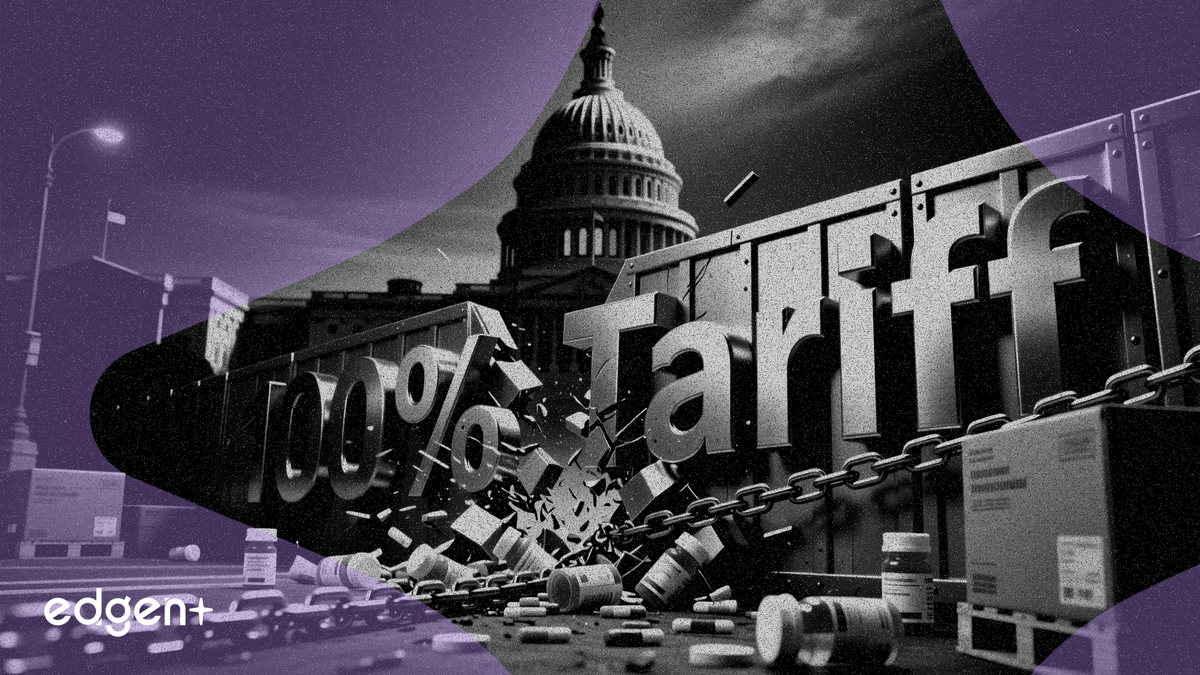
Chính quyền Trump sẽ áp thuế 100% đối với các loại thuốc và thành phần dược phẩm có bản quyền nhập khẩu sớm nhất là vào thứ Năm, tận dụng luật thương mại thời Chiến tranh Lạnh để ép giảm giá và đưa sản xuất trở lại trong nước. Động thái này, được Nhà Trắng công bố vào ngày 2 tháng 4, viện dẫn Mục 232 của Đạo luật Mở rộng Thương mại năm 1962, cho phép tổng thống áp thuế đối với các hàng hóa được coi là quan trọng đối với an ninh quốc gia.
"Các công ty không có thỏa thuận và không trong quá trình đàm phán với chính quyền sẽ phải chịu mức thuế 100%", một nguồn tin thân cận với kế hoạch nói với Bloomberg News. Chính quyền đã đàm phán với các công ty dược phẩm lớn để đảm bảo mức giá thấp hơn cho thị trường Hoa Kỳ và các cam kết mở rộng sản xuất trong nước. Các kế hoạch này vẫn chưa chính thức và có thể bao gồm các trường hợp miễn trừ cho một số loại thuốc nhất định.
Thông báo này được đưa ra sau nhiều tuần gây áp lực lên ngành dược phẩm. Một số nhà sản xuất thuốc lớn đã nhanh chóng hành động để tránh các hình phạt. Pfizer và AstraZeneca đã đảm bảo được việc miễn thuế trong nhiều năm bằng cách đạt được các thỏa thuận về giá và cam kết tham gia nền tảng giảm giá thuốc TrumpRx.gov mới. Trong khi đó, Eli Lilly, Johnson & Johnson và Merck đã cùng cam kết chi hàng tỷ đô la để mở rộng quy mô sản xuất tại Hoa Kỳ.
Mức thuế này có thể gây ra những gián đoạn lớn trong chuỗi cung ứng dược phẩm toàn cầu, có khả năng làm tăng chi phí cho người tiêu dùng Hoa Kỳ và tác động tiêu cực đến giá cổ phiếu của các công ty dược phẩm nước ngoài cũng như các công ty Hoa Kỳ dựa vào nguyên liệu nhập khẩu. Nó cũng có thể dẫn đến các hành động trả đũa từ các quốc gia khác, làm leo thang thêm các tranh chấp thương mại toàn cầu.
Mối đe dọa về thuế quan 100% đã gây ra cú sốc trong ngành dược phẩm toàn cầu, vốn phụ thuộc nhiều vào chuỗi cung ứng quốc tế cho các thành phần dược phẩm hoạt tính (API) và thuốc thành phẩm. Các công ty không có hoạt động sản xuất đáng kể tại Hoa Kỳ là những đối tượng dễ bị tổn thương nhất. Chiến lược của chính quyền có vẻ là cách tiếp cận "cây gậy và củ cà rốt", cung cấp các trường hợp miễn thuế như một động lực mạnh mẽ để các công ty đàm phán về giá và đầu tư vào sản xuất trong nước.
Việc tạo ra nền tảng TrumpRx.gov là một thành phần then chốt của chiến lược này, được thiết kế để mang lại sự minh bạch trong định giá thuốc và cung cấp cho người tiêu dùng khả năng tiếp cận các loại thuốc chi phí thấp hơn. Các công ty tham gia nền tảng và đưa ra mức giảm giá đáng kể có khả năng sẽ được bảo vệ khỏi mức thuế mới. Danh sách đầy đủ các công ty chịu thuế vẫn chưa được tiết lộ.
Việc sử dụng điều khoản Mục 232, vốn thường dành cho các ngành công nghiệp như thép và nhôm, đánh dấu sự leo thang đáng kể trong chính sách thương mại của chính quyền. Lĩnh vực dược phẩm hiện đang nằm trong tầm ngắm, với việc chính phủ sử dụng an ninh quốc gia như một lý do chính đáng để bảo vệ nguồn cung cấp thuốc trong nước. Hành động này có thể tạo ra tiền lệ cho các lĩnh vực khác và có thể mời gọi các thách thức pháp lý tại Tổ chức Thương mại Thế giới (WTO).
Phản ứng tức thì của thị trường khá trầm lắng khi tin tức được đưa ra sau giờ giao dịch, nhưng hợp đồng tương lai cho các chỉ số liên quan đến chăm sóc sức khỏe dự kiến sẽ đối mặt với áp lực. Rủi ro rộng lớn hơn là sự trả đũa. Nếu các quốc gia khác áp mức thuế riêng của họ đối với hàng hóa Hoa Kỳ, nó có thể kích hoạt một mặt trận mới trong các cuộc chiến thương mại đang diễn ra, tạo ra sự không chắc chắn hơn nữa cho các thị trường toàn cầu.
Bài viết này chỉ nhằm mục đích cung cấp thông tin và không cấu thành lời khuyên đầu tư.