
Crude jumped 7 percent this week as US strikes on Iranian territory near the Strait of Hormuz reignited the risk premium on the waterway carrying 20 percent of global oil.
Crude jumped 7 percent this week as US strikes on Iranian territory near the Strait of Hormuz reignited the risk premium on the waterway carrying 20 percent of global oil.
US strikes on Iranian territory near the Strait of Hormuz killed at least four people at a wedding Tuesday, lifting crude 7 percent this week as the waterway carrying 20 percent of global oil faces renewed closure risk.
"If the failed Nation of Iran retaliates for this very justified attack, they will be hit again at a much harder and higher level," Trump said on social media, warning that a larger operation is "waiting in the wings."
Crude has jumped more than 50 percent this year, dragging US gasoline to $4.10 a gallon from $3.19 a year ago. Treasury futures settled 9 ticks lower at 107-20 as stocks declined alongside the oil rally, while spot gold slipped to $4,390 an ounce. Iran's semiofficial Fars and Tasnim news agencies reported the country launched missiles and drones in response to the strikes, with explosions reported across Bandar Abbas, Qeshm Island and Sirik.
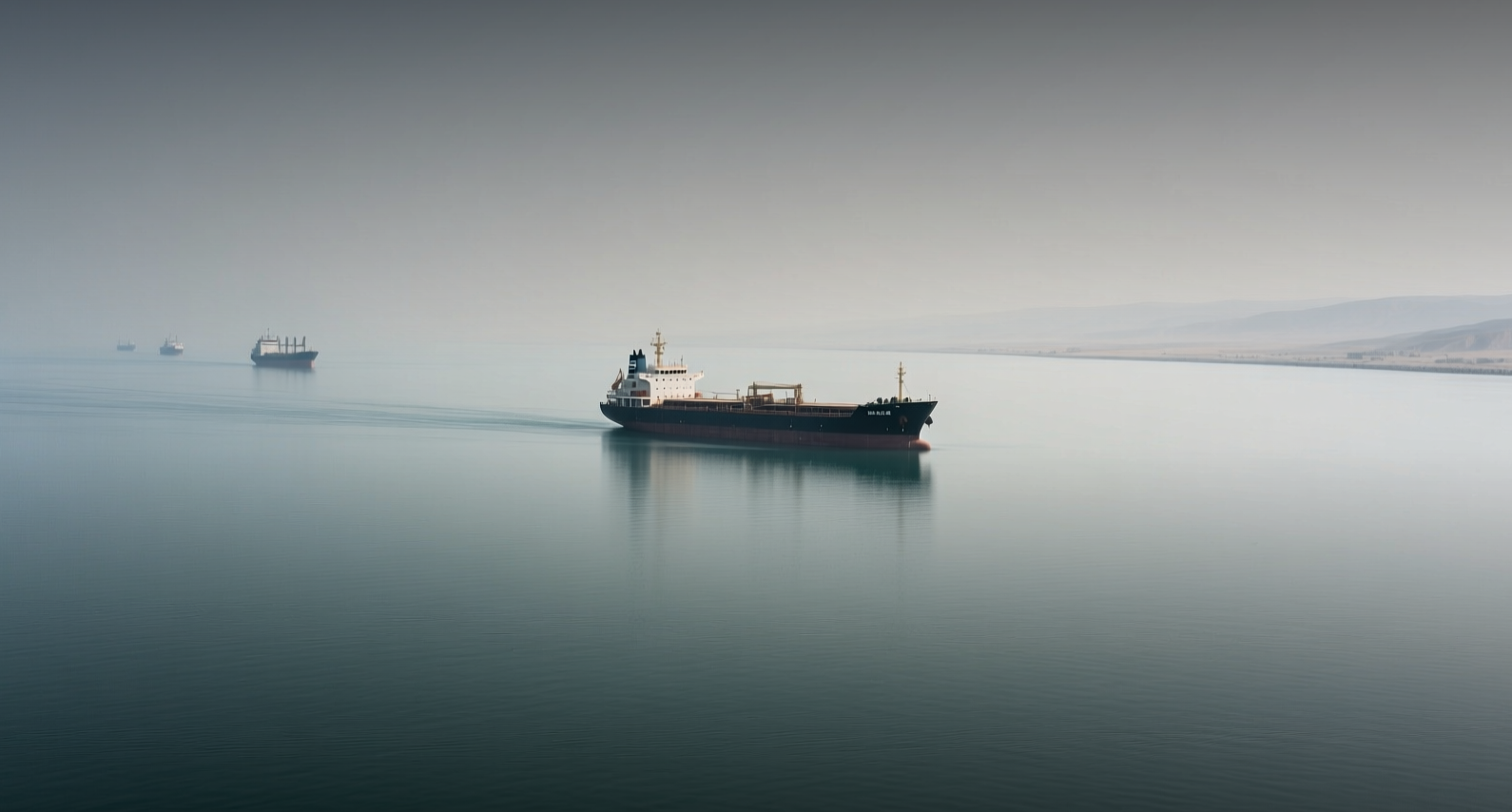
The Strait of Hormuz handles 20 percent of global oil trade, and Tehran has effectively closed it since the war began. Iran's Parliament Speaker Mohammad Bagher Ghalibaf claimed Iranian forces retain "complete control" of the waterway, while the US military said its strikes targeted IRGC minelaying forces posing an imminent threat. With Iran's military leadership formally threatening retaliation and Trump warning of further escalation, the risk premium on crude could expand further if tanker traffic through the strait is disrupted.
The latest strikes hit a wedding in Kuhestak, killing at least four people including a four-year-old child and wounding about 50 others, 35 seriously, according to Iranian state television. US Central Command said the operation targeted Islamic Revolutionary Guard Corps positions in response to Iranian attempts against commercial shipping in the strait and attacks on American personnel in the region. Iranian state media also reported strikes on a fishmeal factory on Qeshm Island, a fishing pier and a Ports and Maritime Organization tower in Sirik, and the civilian Jiroft Airport in Kerman province.
The strikes followed Sunday's US action against Iranian rocket launchers that would launch sea mines into the strait, ending a month without military action. Iran responded to Sunday's attacks by launching missiles at US sites in Jordan, which were intercepted, while the UAE said it stopped an Iranian drone over its waters.
Iran's Armed Forces General Staff and the Khatam al-Anbiya Central Headquarters issued a joint statement following the attacks, saying Iranian forces would deliver "crushing and devastating blows" against US forces. The statement warned that continued US military action would bring increasingly severe consequences. A senior Iranian military source quoted by Fars News separately said Iran's armed forces would "definitely respond" and claimed the response would be several times greater than the US strikes.
The escalation comes as Ghalibaf claimed Iranian forces retain "complete control" of the waterway, saying the US is attempting to move vessels through the southern part of the strait "like thieves and smugglers." Before the war, at least 120 ships passed through the strait each day; current traffic is nowhere close to that volume, Ghalibaf said.
The last time the US and Iran traded direct strikes on territory near the strait, crude spiked more than 10 percent within a week before retracing as both sides sought an off-ramp. The June interim ceasefire deal, which called for an immediate halt to fighting and a 60-day negotiation window, crumbled soon after it was signed. Iranian President Masoud Pezeshkian said Tuesday that Tehran is ready to return to the deal if Washington does the same.
For markets, the key transmission channel is whether Iranian retaliation targets energy infrastructure or shipping. Two oil supertankers were reportedly hit by projectiles in the Strait of Hormuz, according to reports citing maritime sources, though details remain light. War-risk insurance premiums and freight rates for tanker transit through the strait are the immediate pressure points, and any confirmed disruption to tanker traffic would push crude higher from current levels.
The renewed fighting also carries political costs for the White House. The war has been unpopular among many Americans and posed political problems for Republicans ahead of November's midterm congressional elections, even as the Trump administration had argued that economic sanctions would bring Tehran to its breaking point without further military action.
This article is for informational purposes only and does not constitute investment advice.
