
A high-level US delegation is heading to Pakistan for a renewed diplomatic push with Iran, seeking to end a conflict that has roiled global energy markets and killed thousands.
A high-level US delegation is heading to Pakistan for a renewed diplomatic push with Iran, seeking to end a conflict that has roiled global energy markets and killed thousands.
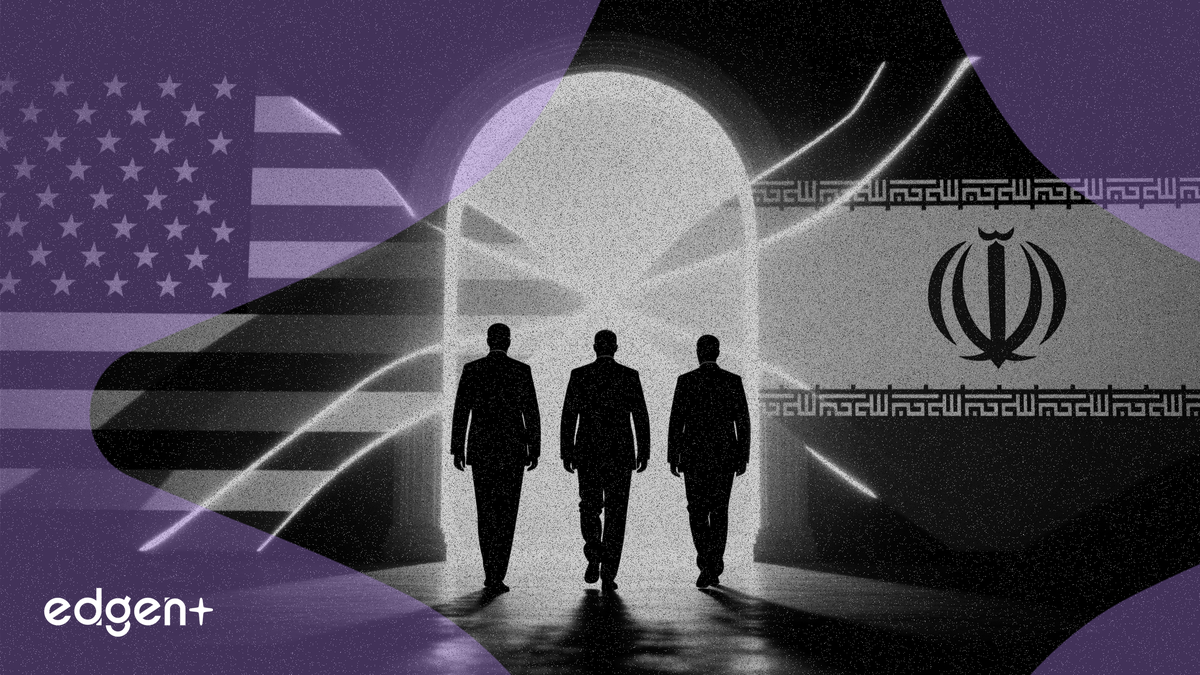
A team of three top US officials is traveling to Pakistan for another round of talks with Iran, signaling a major diplomatic push to resolve a conflict that has shuttered the Strait of Hormuz. Hopes for a breakthrough are rising, even as a US Navy blockade of Iranian ports remains in effect, creating a tense backdrop for the high-stakes negotiation.
"There is a growing recognition within its leadership that its real strength lies not in choosing sides, but in balancing relationships, a rare skill in today’s polarized world," said Dr Mohamed Mohsen Abo El-Nour, a Professor in Iranian Studies at Suez Canal University, commenting on Pakistan's role as mediator.
The talks, mediated by Pakistan's military and civilian leadership, are focused on three core issues: the future of Iran’s nuclear program, control of the Strait of Hormuz, and compensation for war damages. The central sticking point remains Iran's stockpile of 440 kilogrammes of highly enriched uranium and the duration of any potential freeze on enrichment activities, with proposals ranging from five to 20 years.
A successful outcome could de-escalate a war that began on February 28, potentially reopening a waterway crucial for global oil supplies and lowering crude prices. However, failure risks cementing the conflict, which has already drawn in Hezbollah and Israel, and could lead to further retaliation from Tehran over the ongoing US naval blockade.
The optimism, bolstered by comments from US President Donald Trump that the war is "very close to over," is tempered by significant on-the-ground challenges. The US Central Command confirmed its naval blockade has turned back nine vessels attempting to leave Iranian ports. In response, Ali Abdollahi, commander of Iran’s joint military command, threatened to halt trade through the Red Sea if the blockade is not lifted, a move that would dramatically escalate the economic stakes.
The conflict has already killed more than 3,000 people in Iran and over 2,000 in Lebanon following retaliatory Israeli strikes. While a ceasefire between the US and Iran on April 8 has held, the continued fighting in Lebanon and the standoff in the Strait of Hormuz show the fragility of the current calm.
For Pakistan, hosting the talks is a strategic opportunity to rebrand itself as a key diplomatic player, an "Oslo of the East." Its selection was driven by its status as a trusted neighbor to Iran, its position outside direct Western influence, and strong relations between Pakistani Army Chief Asim Munir and the US administration. This is not a new role for Islamabad, which famously helped facilitate Henry Kissinger's secret trip to China in 1971.
Analysts note that while Pakistan provides a crucial venue, its role is distinct from that of a traditional mediator like Norway. "Pakistan is not seeking to replicate Norway’s model of quiet, distant neutrality… It is shaping a more engaged, regionally anchored form of mediation," noted Amina Khan of the Institute of Strategic Studies in Islamabad. This effort is part of a wider diplomatic choreography involving parallel meetings with officials from Saudi Arabia, Turkey, and Qatar, aimed at building a regional consensus for a deal.
This article is for informational purposes only and does not constitute investment advice.