
- US seizes an Iranian cargo ship originating from China on April 20, 2026.
- The seizure occurs one day before a US-Iran ceasefire is set to expire.
- Iran has vowed retaliation and refuses to participate in a second round of peace talks.
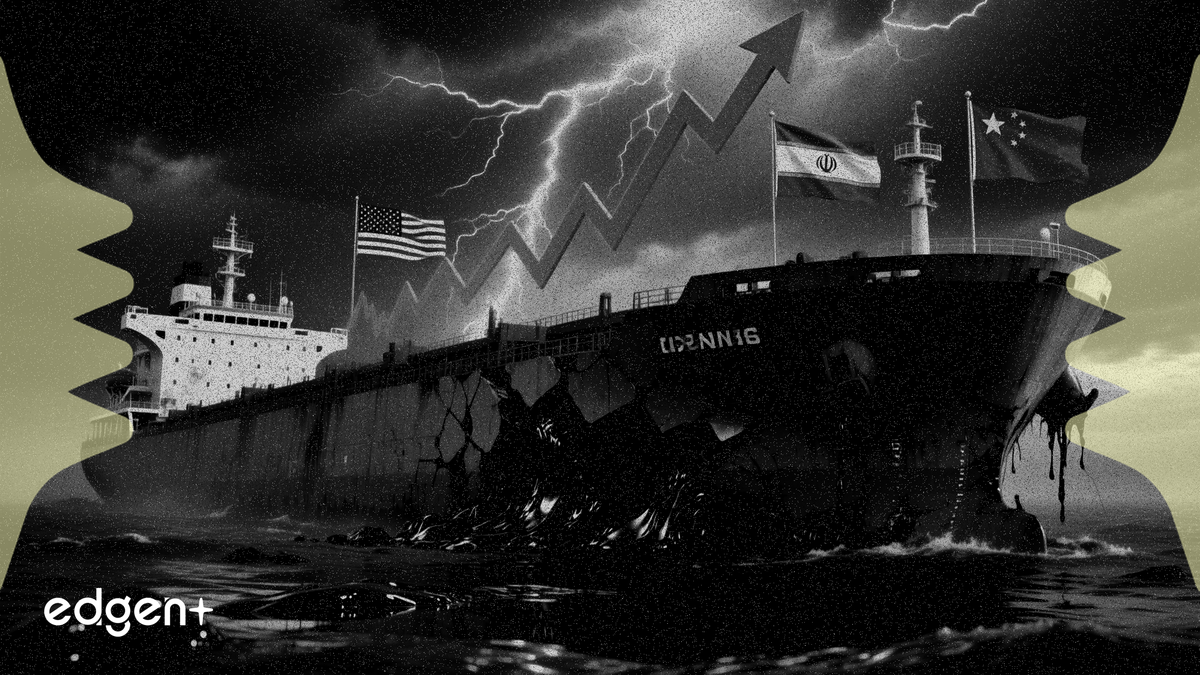
A US seizure of an Iranian cargo ship days before a ceasefire expires threatens to ignite a new oil price crisis and upend global markets.
The United States seized an Iranian cargo vessel originating from China on April 20, escalating tensions just one day before a fragile US-Iran ceasefire is set to expire.
"China expresses serious concern over the US action of forcibly intercepting the vessel," Foreign Ministry spokesperson Guo Jiakun said at a regular press conference in Beijing.
The move sent immediate tremors through markets, with analysts forecasting a potential spike in crude oil prices above $100 a barrel. The event also risks a broader flight-to-safety, potentially boosting the US dollar and gold while increasing volatility across global equity markets.
The seizure's timing is critical, as Iran has vowed retaliation and stated it will not participate in a second round of negotiations as the April 21 ceasefire deadline looms. This raises the immediate risk of significant supply chain disruptions in the Middle East, particularly through the critical Strait of Hormuz.
The incident puts global energy, defense, and shipping sectors on high alert. Any disruption to the Strait of Hormuz, through which about 21 percent of global petroleum liquids pass, could have severe economic consequences. Defense contractors may see increased investor interest, while global shipping firms face higher insurance premiums and the risk of voyage cancellations.
This escalation echoes previous periods of heightened tension in the Gulf. The last major disruption in mid-2019, involving attacks on tankers, contributed to a 14 percent single-day spike in Brent crude prices, highlighting the market's sensitivity to perceived supply risks in the region.
This article is for informational purposes only and does not constitute investment advice.