
Washington's "Operation Economic Outcast" targets 60 entities across oil and military networks, yet oil fell as traders bet China keeps buying Iranian crude.
Washington's "Operation Economic Outcast" targets 60 entities across oil and military networks, yet oil fell as traders bet China keeps buying Iranian crude.
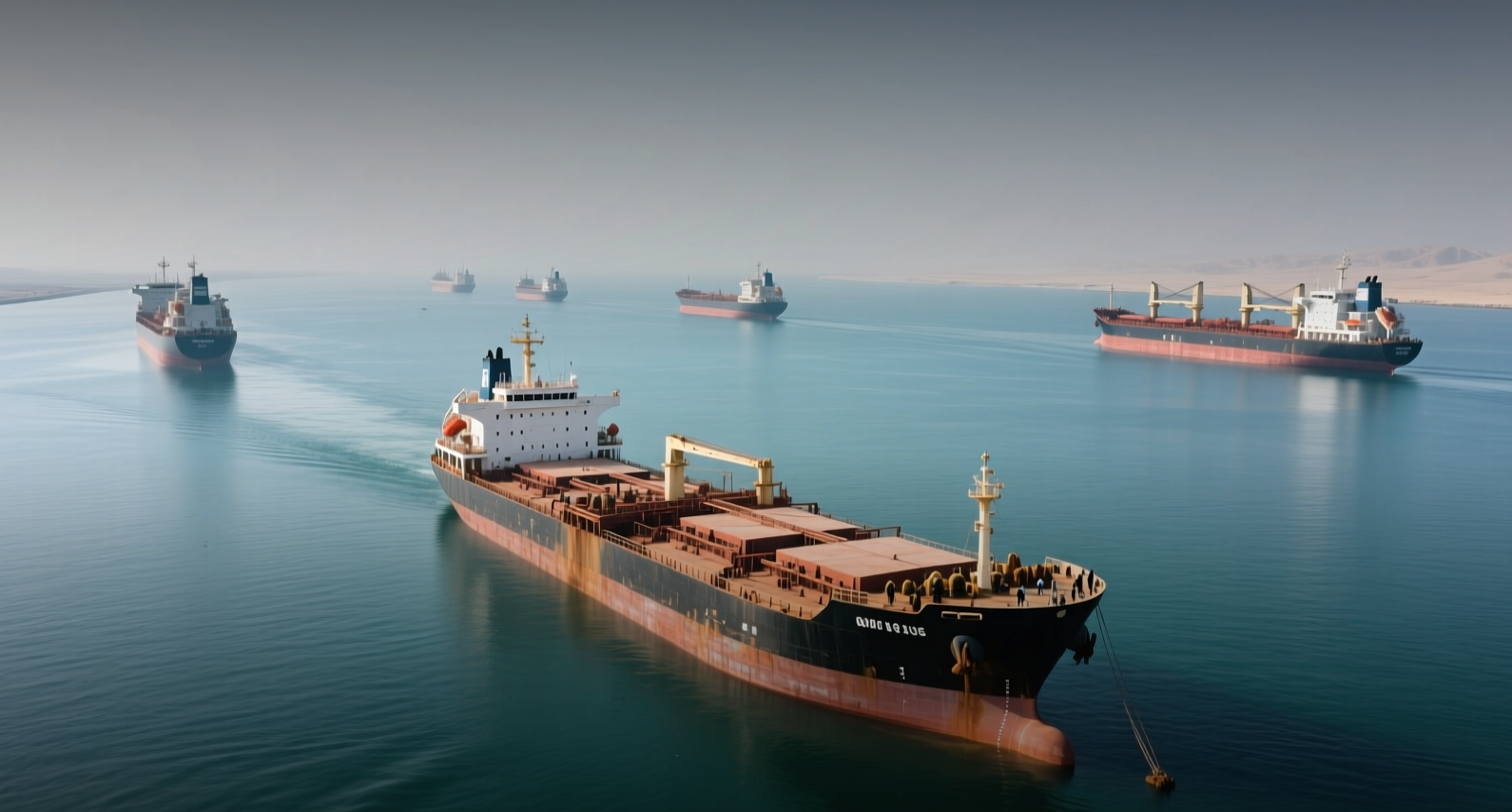
The United States on Monday sanctioned nearly 60 entities tied to Iran's oil trade and military procurement, sending Brent crude down 2.4 percent to $92.17 a barrel as markets weighed Beijing's likely resistance.
"The biggest oil-market risk may not be the sanctions themselves, but Iran's response to them," said Jorge Leon, head of geopolitical analysis at Rystad Energy.
West Texas Intermediate fell 2.4 percent to $85.01, snapping six sessions of gains, while the dollar strengthened to a one-week high. Treasury Secretary Scott Bessent said President Donald Trump was calling world leaders to demand they cut economic ties with Tehran, warning that "no one is above the reach of US sanctions." US equity futures traded higher and Treasury yields held steady after the announcement.
The measures extend Washington's economic campaign against Tehran after military strikes failed to produce a decisive outcome, and they raise the stakes for China — Iran's largest oil buyer — as well as India, whose exports to Iran have already fallen from $3.5 billion in fiscal 2019 to $1.2 billion in fiscal 2026.
The sanctions target India-based Sadashiva Overseas Limited, which the US said imported approximately $69 million of Iranian-origin petroleum products between February 2024 and June 2025, along with PP Softtech Private Limited and Prakrutees Infra Impex India Private Limited, each accused of importing about $25 million. Hong Kong-based Selenium Resources Limited was sanctioned for exporting more than $22.8 million of Iranian-origin petrochemical products, while Turkey-based Huzur Plastik was hit for importing $28 million of polyethylene.
The US also designated senior Islamic Revolutionary Guard Corps commanders, including Ahmad Vahidi, Ali Abdollahi, and Sayyed Hosein Majid Musavi Eftekhari, along with the IRGC Cyber-Electronic Command, accusing them of directing missile and drone programs and obtaining information on US military assets.
China's Role Looms Over Enforcement
David Oxley of Capital Economics said the new package would likely have "only a limited direct impact on Iranian energy flows in the short term" because most of Iran's oil exports go to China. Beijing has opposed unilateral sanctions and called for diplomatic efforts, potentially limiting the immediate effectiveness of Washington's attempt to isolate Tehran economically. Wendy Cutler, vice president of the Asia Society Policy Institute, said the Trump administration faces a delicate balance in acting decisively on Iran "without escalating tensions with Beijing," particularly with Chinese President Xi Jinping expected to visit Washington in late September.
The last time Washington pursued a comparable maximum-pressure campaign in 2018-2019, Iran's crude exports fell from roughly 2.5 million barrels per day to under 500,000, but China continued purchasing Iranian barrels through non-dollar channels. The Strait of Hormuz handles about 21 percent of global oil trade, and Iran has already blacklisted 45 tankers over shipping rules in the waterway.
India's Trade Corridor Under Pressure
Indian exporters have said the sanctions, combined with the UAE's decision to suspend all trade with Tehran, could disrupt shipments of rice, tea, and pharmaceuticals. India exported $383.11 million of rice to Iran in the first half of 2026, making it the second-largest overseas market for premium basmati. Dev Garg, vice president of the Indian Rice Exporters Federation, said exporters are already exploring alternative payment routes through Turkey. India's imports from Iran have dropped from $13.5 billion in fiscal 2019, including $12.4 billion of crude oil, to below $375 million in fiscal 2026.
Iranian Foreign Minister Abbas Araqchi dismissed the sanctions as a sign of US desperation, saying Tehran "has never been afraid" of blockades or military pressure. Iran's currency hit a record low of 2.02 million to the dollar ahead of the announcement.
If China resists enforcement, the measures could have limited near-term impact on Iranian oil flows; if Washington escalates secondary sanctions against Chinese banks, the confrontation could push crude prices sharply higher. The US Senate's passage of the Sanctioning Russia and Iran Act of 2026 on Aug. 7, which could authorize tariffs of up to 100 percent against major buyers of Russian energy, adds another layer of risk for countries navigating the sanctions regime.
This article is for informational purposes only and does not constitute investment advice.
