
Le redéploiement surprise de 5 000 soldats américains d'Allemagne vers la Pologne amène les alliés de l'OTAN à s'interroger sur la stabilité des engagements de sécurité des États-Unis envers l'Europe.
Le redéploiement surprise de 5 000 soldats américains d'Allemagne vers la Pologne amène les alliés de l'OTAN à s'interroger sur la stabilité des engagements de sécurité des États-Unis envers l'Europe.
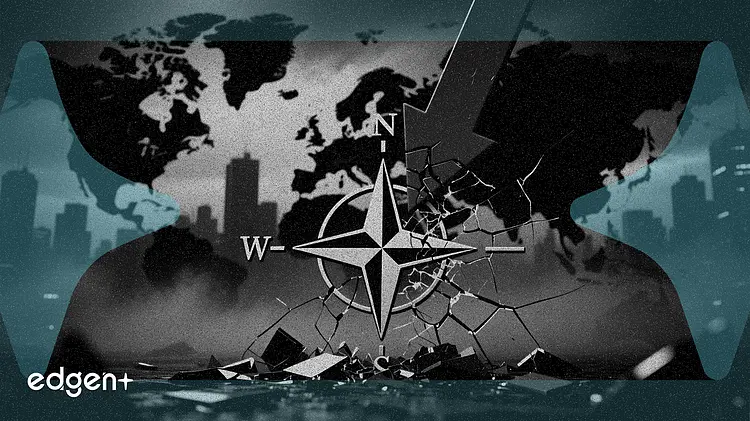
Un revirement soudain sur le déploiement de 5 000 soldats américains en Europe a déconcerté les alliés de l'OTAN, soulevant des questions sur la prévisibilité des engagements de sécurité américains. La mesure, annoncée par le président Donald Trump, prévoit le retrait de forces d'Allemagne et l'envoi d'un nombre similaire en Pologne, une décision accueillie avec confusion et inquiétude à travers le continent.
« C'est en effet déroutant, et pas toujours facile à appréhender », a déclaré la ministre suédoise des Affaires étrangères, Maria Malmer Stenergard, lors d'une réunion des ministres des Affaires étrangères de l'OTAN. Ce sentiment a été partagé par des responsables de la défense américaine qui, sous couvert d'anonymat, ont admis : « Nous ne savons pas non plus ce que cela signifie. »
Cette décision annule une annonce récente visant à réduire les forces en Europe. Plus tôt ce mois-ci, le Pentagone avait annulé le déploiement d'environ 4 000 soldats en Pologne et suspendu l'envoi d'une unité de missiles à longue portée en Allemagne. Le nouveau plan visant à envoyer 5 000 soldats en Pologne maintient de fait le nombre total de forces américaines en Europe à environ 80 000, soit juste au-dessus du minimum de 76 000 mandaté par le Congrès.
Le retrait initial était largement perçu comme une mesure punitive contre l'Allemagne après que le chancelier Friedrich Merz a critiqué la gestion par les États-Unis de la guerre avec l'Iran. Le président Trump avait également annoncé de nouveaux tarifs douaniers sur les voitures européennes, une mesure affectant directement l'importante industrie automobile allemande. Bien que le secrétaire d'État américain Marco Rubio ait insisté sur le fait que les mouvements de troupes n'étaient pas « une chose punitive », le choc de ce revirement politique a laissé les dirigeants européens perplexes quant aux intentions stratégiques de Washington.
Alors que les politiciens allemands traditionnels ont exprimé leur inquiétude face à une éventuelle réduction de la présence militaire américaine, certains partis d'extrême gauche et d'extrême droite ont salué la décision. Sevim Dağdelen, de l'Alliance Sahra Wagenknecht (extrême gauche), et les dirigeants de l'AfD (extrême droite) ont tous deux appelé au retrait des troupes étrangères du sol allemand, reflétant un sentiment qui gagne du terrain auprès d'une partie de l'électorat allemand. Une enquête récente de la Fondation Bertelsmann a révélé que 73 % des électeurs allemands considèrent les États-Unis comme un partenaire peu fiable.
Cette division interne au sein d'un allié clé de l'OTAN complique le paysage sécuritaire. L'annulation du déploiement de missiles à longue portée en Allemagne a été un point de discorde particulier, certains politiciens allemands craignant que cela ne laisse le pays plus vulnérable à une éventuelle agression russe. Cependant, d'autres, y compris des membres du Parti social-démocrate, ont fait valoir que le déploiement de missiles aurait été une mesure d'escalade, et que son annulation est une étape positive vers la désescalade avec la Russie.
Le redéploiement en Pologne a été salué par les autorités polonaises. Le ministre des Affaires étrangères, Radek Sikorski, a déclaré que cette mesure garantissait que « la présence des troupes américaines en Pologne sera maintenue plus ou moins aux niveaux précédents ». La décision semble être motivée par les relations étroites du président Trump avec le président polonais Karol Nawrocki.
Cependant, la nature imprévisible de ces décisions a mis l'OTAN sur les nerfs. La force de l'alliance repose sur l'unité et la prévisibilité, deux éléments mis à mal par les récentes annonces. Alors que l'Europe continue de faire face aux défis sécuritaires posés par la guerre en Ukraine, la fiabilité des États-Unis en tant que partenaire de sécurité est devenue une question centrale et urgente.
Cet article est uniquement à titre informatif et ne constitue pas un conseil en investissement.
