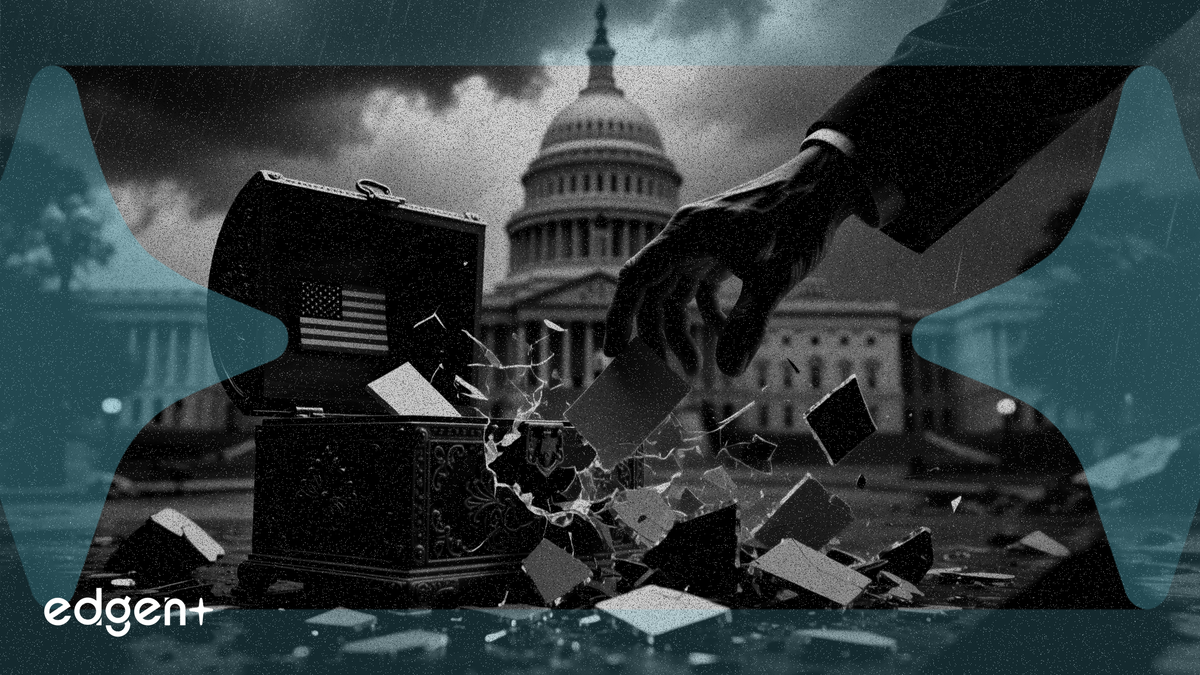
L'administration Trump intensifie sa recherche de fraudes électorales lors de l'élection de 2020, les forces de l'ordre fédérales et locales saisissant des bulletins et des machines de vote dans au moins trois États. Ces mesures, menées par des alliés ayant promu des affirmations sans fondement de fraude généralisée, exacerbent le conflit politique et suscitent l'inquiétude des investisseurs quant à la stabilité politique des États-Unis à quelques mois seulement des élections cruciales de mi-mandat de 2026.
« Cela complique incroyablement les choses », a déclaré David Becker, ancien avocat du ministère de la Justice qui dirige le Center for Election Innovation & Research. « Riverside est un excellent exemple, où un candidat au poste de gouverneur semble politiser une élection confirmée par un raz-de-marée. »
En Californie, le shérif du comté de Riverside, Chad Bianco, candidat républicain au poste de gouverneur, a saisi 650 000 bulletins de vote lors d'une élection spéciale de 2025. En Géorgie, le FBI a emporté 700 cartons de dossiers électoraux de 2020 dans le comté de Fulton en janvier. Des responsables fédéraux ont également confisqué des machines de vote à Porto Rico, tandis que dans le comté de Maricopa, en Arizona, le greffier a déféré plus de 200 personnes pour des poursuites pour suspicion de vote de non-citoyens.
Ces actions créent une incertitude juridique et politique importante, menaçant de saper la confiance du public dans le processus électoral. Le procureur général de Californie poursuit en justice pour stopper l'enquête de Riverside, arguant qu'elle « crée un précédent dangereux », tandis qu'un juge fédéral examine si le ministère de la Justice a outrepassé ses droits lors de sa saisie en Géorgie. L'issue de ces affrontements pourrait ouvrir la voie à d'autres contestations et à des perturbations potentielles des prochaines élections de mi-mandat.
Des enquêtes basées sur des allégations démenties
La vague d'enquêtes découle des efforts du président Trump et de ses partisans pour renverser sa défaite électorale de 2020. Les enquêtes sont souvent lancées sur la base d'allégations de groupes de militants qui ont été réfutées par les responsables électoraux étatiques et locaux. À Riverside, la saisie du shérif Bianco a été provoquée par l'affirmation d'un groupe local d'un écart de 40 000 voix, un chiffre qui, selon le registraire du comté, est en réalité de 103. La mesure de scrutin en question a été adoptée dans le comté avec plus de 80 000 voix d'avance.
Le procureur général de Californie, Rob Bonta, a déposé une plainte pour arrêter l'enquête de Bianco, qu'il a qualifiée d'« utilisation abusive de l'autorité des forces de l'ordre » qui « menace de semer la méfiance ». Bianco, ancien membre de la milice des Oath Keepers qui a soutenu Trump pour la présidence dans une vidéo alors qu'il était en uniforme, a défendu ses actions comme une « mission de recherche de faits ».
La situation reflète les événements du comté de Fulton, en Géorgie, où la saisie de bulletins de 2020 par le FBI était basée sur un signalement de Kurt Olsen, un avocat au cœur des efforts « Stop the Steal » de Trump qui occupe désormais le poste de directeur de la sécurité électorale à la Maison Blanche. Le comté de Fulton poursuit le ministère de la Justice pour obtenir le retour des bulletins, arguant devant le tribunal que le mandat était basé sur des allégations « incohérentes » et démenties.
Une stratégie nationalisée
Ces actions au niveau local font partie d'une stratégie plus large et coordonnée dirigée depuis l'administration Trump. La procureure générale Pam Bondi a discrètement autorisé le procureur Dan Bishop, qui a voté contre la certification de l'élection de 2020, à diriger les enquêtes liées aux élections à l'échelle nationale. L'administration est également composée de responsables qui ont publiquement remis en question la légitimité des élections passées.
Cet effort se déploie alors que l'administration pousse le Congrès à adopter le SAVE America Act, un ensemble de lois électorales restrictives. Les critiques, citant un essai au Missouri, soutiennent que les méthodes de vérification de la loi pourraient priver de leurs droits plus de 20 millions d'électeurs éligibles.
Pour les investisseurs, l'escalade des contestations des résultats électoraux établis introduit une nouvelle couche de risque politique intérieur. Les enquêtes menacent de perturber les élections de mi-mandat de 2026, ce qui pourrait conduire à des résultats contestés et à une volatilité accrue des marchés. La dernière fois que les États-Unis ont été confrontés à un niveau comparable de conflit interne sur l'intégrité des élections, c'était dans les mois suivant l'élection de 2020, une période qui a vu un pic de volatilité des marchés et une baisse temporaire des actions américaines alors que la transition du pouvoir était contestée. La campagne actuelle de saisie de bulletins suggère une volonté d'utiliser les pouvoirs de police pour amplifier les différends politiques, un développement qui pourrait éroder davantage la confiance des investisseurs dans la stabilité institutionnelle des États-Unis.
Cet article est à titre informatif uniquement et ne constitue pas un conseil en investissement.