

A strategic reversal in US-China relations marks a new phase of economic detente, driven by Beijing's control over one critical mineral supply chain.
A strategic reversal in US-China relations marks a new phase of economic detente, driven by Beijing's control over one critical mineral supply chain.
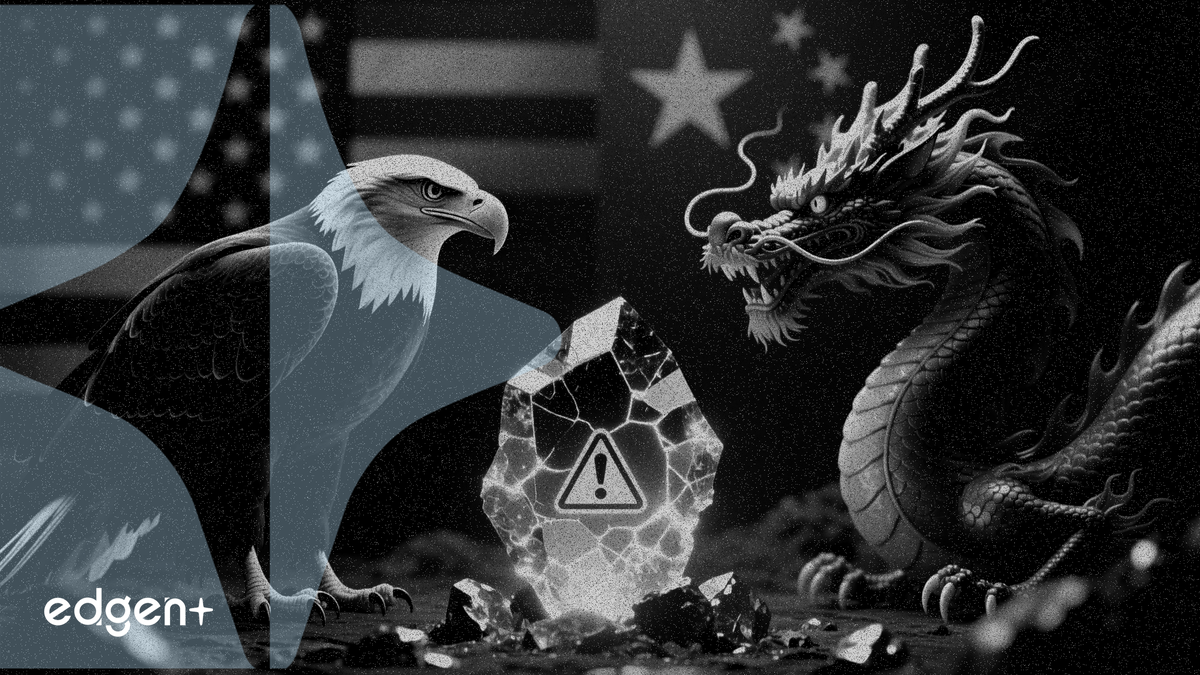
The second Trump administration has executed a seismic policy shift toward China, abandoning its confrontational stance for a fragile detente after Beijing demonstrated its leverage by halting rare earths exports for a period of over one month. The reversal, aimed at ensuring the stability of critical supply chains, effectively resets the trade relationship to the 2024 status quo.
"China stood up to President Trump with the rare earths, and the U.S. backed down," said Anja Manual, a former State Department official who now advises companies on geopolitics. "It is really mutual damage control now."
The new framework follows President Trump’s October meeting with Chinese leader Xi Jinping in Busan, South Korea. Since then, the administration has paused planned tariffs, curbed investigations into Beijing-linked companies, and instructed officials to soften their rhetoric. The shift was a direct response to China’s April shutdown of most rare earths exports, a move that threatened US production of everything from electric vehicles to F-35 jet fighters.
This pivot prioritizes short-term economic stability over the previous administration's focus on strategic competition, laying the groundwork for a May meeting between Trump and Xi. However, it exposes a critical US vulnerability and has alarmed national security aides who see it as a significant concession.
Dubbed the ‘Busan Freeze’ by some administration officials, the policy reversal has permeated multiple government agencies. Commerce Secretary Howard Lutnick has reportedly ordered that all China-related actions require his personal signoff, a move that has paralyzed new initiatives and led to staff departures.
Actions that have been halted or reversed include hefty tariffs planned for Beijing’s key industries and penalties against Chinese companies deemed security risks. Investigations into Beijing-linked hackers have been curbed, and Chinese investment in the U.S. is receiving less scrutiny. In one instance, officials pursued a ban on a China-linked router maker by issuing a blanket order that avoided naming the company or China directly, a move designed to minimize friction with Beijing.
The catalyst for the administration's pivot was Beijing’s decision last April to invoke its “nuclear option” by shutting down most exports of rare earths. China controls the vast majority of the global refining and separation of these 17 minerals, which are essential for high-tech manufacturing.
The export ban caught the Trump administration off guard, threatening to cripple production in critical sectors. According to officials, Treasury Secretary Scott Bessent and others appealed directly to Trump to walk back tariffs to get the minerals flowing again. The event underscored the effectiveness of China's strategy to control critical supply chains as a tool of statecraft.
The administration's softer approach has not been entirely uniform, leading to some confusion. The Central Intelligence Agency recently published bold recruitment videos in Mandarin targeting Chinese military personnel. In December, the Federal Communications Commission (FCC) banned equipment from Chinese drone companies DJI and Autel, one of the few hawkish moves against China in the second term.
This conflict was highlighted in February when the Pentagon added tech giant Alibaba to a blacklist of Chinese military contractors, only to retract the list for updates moments later. The list has not yet been rereleased. While the White House seeks a "stable peace," these disparate actions suggest internal division over the long-term strategy toward Beijing.
This article is for informational purposes only and does not constitute investment advice.