
A US cabinet member’s attempt to calm nerves over a presidential “shoot and kill” order in the Strait of Hormuz has failed to reassure oil markets, which priced in a higher risk of conflict.
A US cabinet member’s attempt to calm nerves over a presidential “shoot and kill” order in the Strait of Hormuz has failed to reassure oil markets, which priced in a higher risk of conflict.
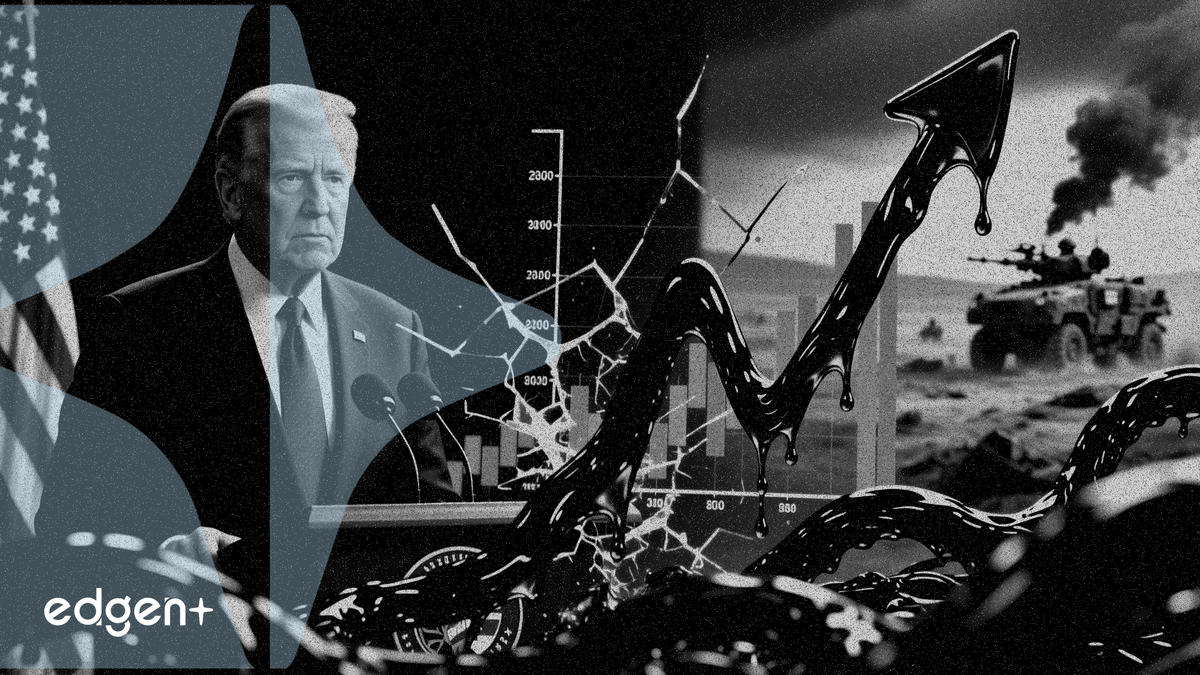
A top US official on Thursday downplayed President Donald Trump’s order to “shoot and kill” Iranian boats laying mines in the Strait of Hormuz, a statement that failed to prevent oil prices from surging around 4 percent on fears of a wider conflict.
"The president's directive against vessels engaged in mining activities does not represent an escalation of the situation," US Interior Secretary Burgum said. The comment came after Trump posted he had ordered the Navy to "shoot and kill any boat... that is putting mines in the waters of the Strait of Hormuz."
The market reacted with immediate concern. West Texas Intermediate crude rose 4.06 percent to $96.73 a barrel, while Brent crude gained 3.62 percent to $105.63. The price action followed reports that the US naval blockade had turned back 31 vessels, while Iran seized two ships in the waterway.
At stake is the passage through the world's most critical oil chokepoint, which handles about one-fifth of global supply. With Pentagon officials reportedly telling Congress a full clearing of sea mines could take up to six months, the potential for a prolonged disruption to energy markets is significant.
Iran has maintained that it will not reopen the strait as long as a US naval blockade, which it calls a violation of a fragile ceasefire, remains in place. "A complete ceasefire only has meaning if it is not violated through a naval blockade," Parliament Speaker Mohammad Bagher Ghalibaf said, calling the reopening "not possible" under current conditions.
The standoff intensified after Trump ordered mine-clearing operations to be scaled up to a "tripled-up level." Tehran, meanwhile, has broadcast footage of its commandos seizing commercial vessels and has reportedly sheltered speedboats and drones in sea caves near the strait's mouth.
Regional tensions have been inflamed by other events, including an Israeli airstrike in southern Lebanon on Wednesday that killed journalist Amal Khalil. Lebanese leaders condemned the attack as a "war crime," adding another layer of instability that complicates broader de-escalation efforts.
Diplomatic channels appear stalled. Pakistan’s Interior Minister Mohsin Naqvi met with the US ambassador to push for a second round of talks, but Iranian officials have not committed to attending, citing the ongoing blockade. "You did not achieve your goals through military aggression and you will not achieve them by bullying either," said Ghalibaf.
This article is for informational purposes only and does not constitute investment advice.