
Bir ABD savaş gemisi, Hürmüz Boğazı'ndan geçen tüm İran deniz ticaretini durdurarak ateşkes odaklı yeniden açılmayı tersine çevirdi ve küresel enerji piyasaları için yeni bir şok tehdidi oluşturdu.
Bir ABD savaş gemisi, Hürmüz Boğazı'ndan geçen tüm İran deniz ticaretini durdurarak ateşkes odaklı yeniden açılmayı tersine çevirdi ve küresel enerji piyasaları için yeni bir şok tehdidi oluşturdu.
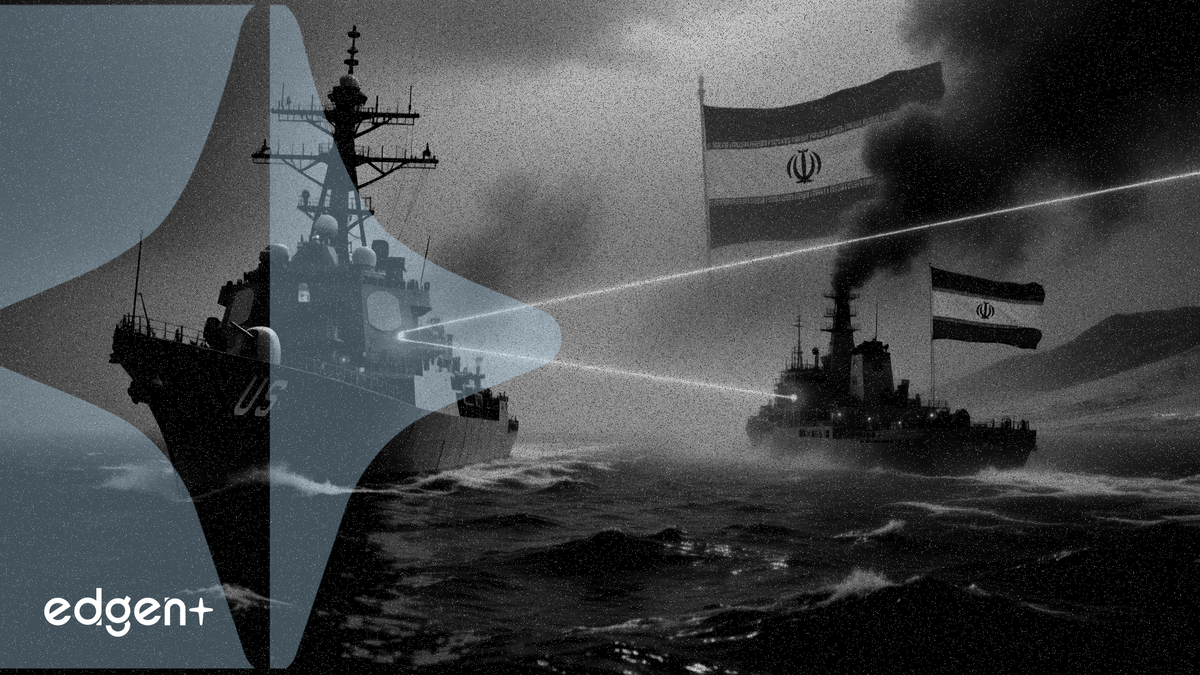
ABD Donanması'na ait USS Pinckney gemisi, 18 Nisan'da Hürmüz Boğazı'nda İran deniz ticaretini engelleyerek, su yolunun yeniden açıldığı haberleriyle petrol fiyatlarının %9 düştüğü günden sadece bir gün sonra fiyatları fırlatabilecek sert bir tırmanış gerçekleştirdi. Bu hamle, İran ihracatı için kritik olan boğazı fiilen kapatarak 10 günlük hassas ateşkese son verdi.
Bu eylem, piyasadaki son iyimserliği geçersiz kıldı. DBS Bank enerji sektörü ekip lideri Suvro Sarkar'ın birkaç gün önce belirttiği, "Piyasa en kötüsünün geride kaldığını düşünürken ve daha fazla barış görüşmesini fiyatlandırırken... şu an için gerçek gelişmelerden ziyade umut var" şeklindeki görüşü, donanma ablukasıyla yerini belirsizliğe bıraktı.
Abluka, Brent petrolün 17 Nisan'da varil başına 90 dolar civarına gerilemesini sağlayan gerilimi düşürme sürecinin çarpıcı bir şekilde tersine dönmesidir. Bu fiyat düşüşü, İran'ın İsrail ve Hizbullah arasındaki ateşkes sırasında küresel petrol ve LNG sevkiyatının yaklaşık beşte birini gerçekleştiren boğazı yeniden açmasının ardından gelmişti. Şimdi USS Pinckney'nin geçişi engellemesiyle, bu variller zaten alternatif tedarik için rekor primler ödeyen piyasadan bir kez daha çekilmiş oldu.
Bu karşı karşıya gelme durumu, küresel petrol fiyatlarında enflasyonu körükleyebilecek, enerji sektörü dışındaki kurumsal karları azaltabilecek ve hisse senetlerinde geniş çaplı bir satış dalgasını tetikleyebilecek dramatik bir artış riski taşıyor. Diplomatik ilerlemenin parçalanmasıyla piyasa, artık net bir çözüm zaman çizelgesi olmayan şiddetli ve ani bir arz kesintisi gerçeğiyle karşı karşıya.
Donanma operasyonu, günlerdir oluşan diplomatik ivmeyi rayından çıkardı. Boğazın yeniden açılması, Lübnan'daki geçici ateşkesi takip etmiş ve Pakistan'daki ABD-İran görüşmelerinin ilerlemesini sağlamıştı. Piyasalar, nükleer politika ve deniz güvenliği konusunda müzakere edilmiş bir çözüm olasılığını daha yüksek fiyatlamıştı. 18 Nisan ablukası, Brent petrolü hafta başındaki 96 dolar seviyesinden aşağı çeken güveni yıktı. ABD daha önce müzakerelerin aksaması durumunda askeri operasyonların yeniden başlayabileceği uyarısında bulunmuştu; bu tehdit artık gerçekleşti.
Zaten gergin olan fiziksel petrol piyasası, şimdi onaylanmış ve belirsiz süreli bir kesintiyle mücadele etmek zorunda. Kısa süreli açılıştan önce, Asya ve Avrupa'daki rafineriler çaresizce alternatif ham petrol kaynakları arıyordu ve bu durum Rotterdam'a teslim edilecek bir WTI Midland yükünün gösterge fiyatların 22,80 dolar üzerinde rekor bir prime ulaşmasına neden olmuştu. Bu temel darlık, yeni ablukanın etkisinin acil ve şiddetli olacağı anlamına geliyor. İran ticaretinin durdurulması, günlük milyonlarca varili potansiyel arzdan çıkararak tüccarları mevcut yükler için agresif teklifler vermeye zorluyor ve muhtemelen yüzer depolama oranlarını yukarı çekiyor.
Bu makale sadece bilgilendirme amaçlıdır ve yatırım tavsiyesi teşkil etmez.
