
A direct military confrontation between the U.S. and Iran threatens to roil global markets, with the seizure of an Iranian vessel putting the world’s most critical oil chokepoint at risk.
A direct military confrontation between the U.S. and Iran threatens to roil global markets, with the seizure of an Iranian vessel putting the world’s most critical oil chokepoint at risk.
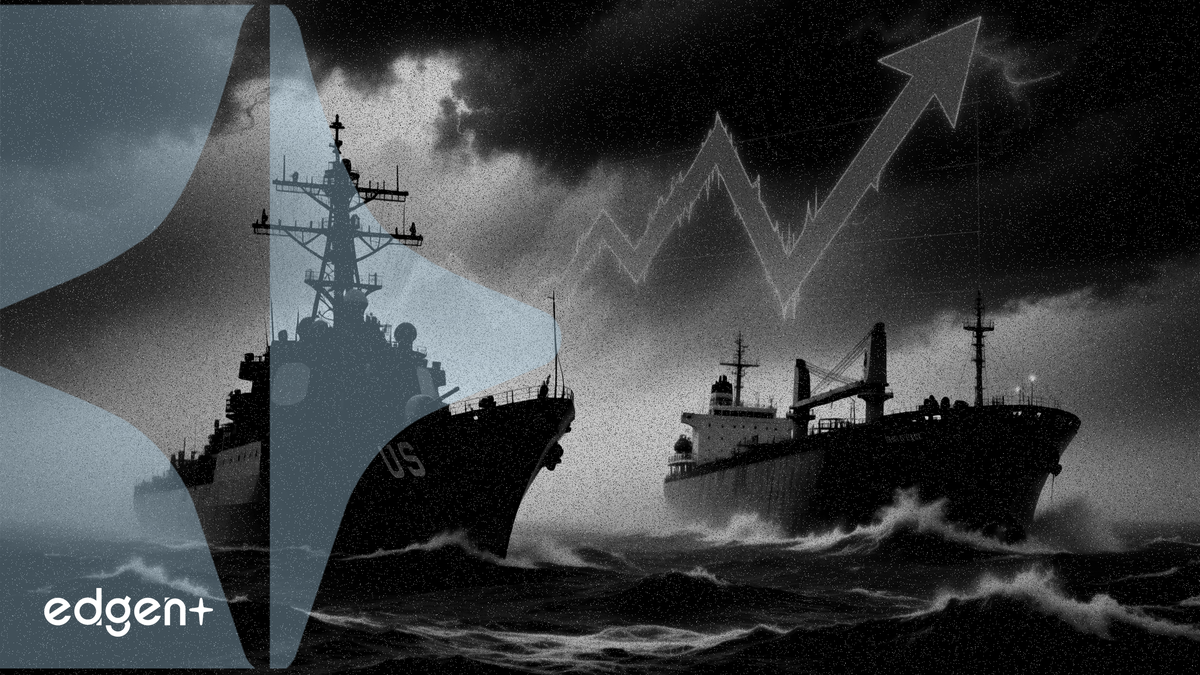
A U.S. warship’s seizure of an Iranian cargo ship on April 19 escalates military tensions in the Middle East, threatening to disrupt global crude supplies and sending investors fleeing from risk assets. The direct military confrontation marks a significant new flashpoint between Washington and Tehran, with potential impacts on the global economy.
President Donald Trump announced the interception in a social media post, stating that the Iranian-flagged vessel had attempted to break a U.S. maritime blockade before being forcibly boarded and controlled by U.S. Marines. "This is a significant escalation that introduces a tangible risk premium to oil prices overnight," said one market strategist. "The market will now have to price in the potential for a wider conflict and sustained supply disruptions."
The event raises immediate concerns over the security of the Strait of Hormuz, a critical chokepoint through which approximately 21 percent of global petroleum liquids consumption passes daily. A sustained disruption could trigger a sharp spike in Brent crude prices, which have remained sensitive to Middle Eastern geopolitical flare-ups. The last major incident in the strait in mid-2025 saw prices jump over 7 percent in a single session.
The direct military engagement moves the long-simmering conflict between Washington and Tehran into a new, more dangerous phase. Investors are now watching for Iran's response, with any retaliatory action likely to further destabilize the region and accelerate a flight to safe-haven assets such as gold and the U.S. dollar, while pressuring global equity markets already grappling with economic uncertainty.
This article is for informational purposes only and does not constitute investment advice.