
US military tankers supporting the war with Iran are occupying more than half of parking stands at Israel's Ben Gurion Airport, threatening to force airlines to cancel 2.4 million summer and High Holiday tickets by a June 16 deadline.
US military tankers supporting the war with Iran are occupying more than half of parking stands at Israel's Ben Gurion Airport, threatening to force airlines to cancel 2.4 million summer and High Holiday tickets by a June 16 deadline.
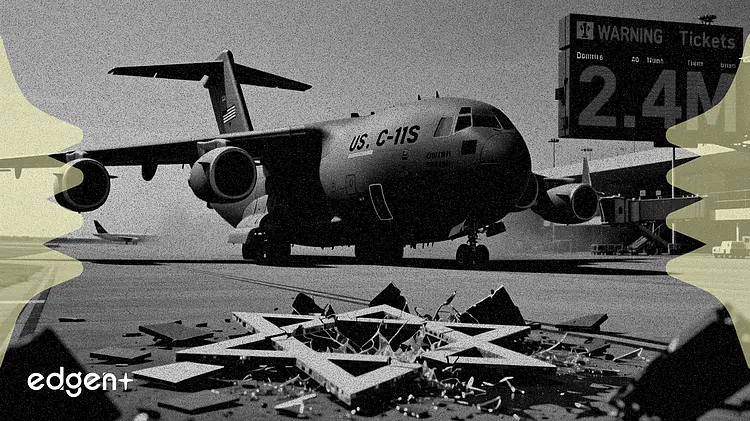
US military tankers supporting the war with Iran are occupying more than half of parking stands at Israel's Ben Gurion Airport, threatening to force airlines to cancel 2.4 million summer and High Holiday tickets by a June 16 deadline.
"If the US fleet does not leave Ben Gurion Airport, we have no choice but to prepare for a situation in which airlines will have to cancel part of their scheduled flights," Sharon Kedmi, CEO of the Israel Airports Authority, said in a conversation with Ynet.
About 72 US aerial refueling tankers currently occupy parking stands at Ben Gurion, with another 26 at Ramon Airport in southern Israel, where they take up roughly 90 percent of available spaces. Not a single US tanker is parked at Israel's military airbases, according to Transportation Minister Miri Regev, who sent an urgent letter to Prime Minister Benjamin Netanyahu warning that the country has until Tuesday to resolve the issue or begin notifying passengers of cancellations.
The parking shortage means one in four passengers could be affected during peak summer travel, when daily traffic is expected to rise to 100,000 from the current 65,000. "This is a direct economic damage of billions of shekels to airlines, the tourism industry, and the economy," Regev wrote, warning the cancellations would also damage "national morale and civil resilience."
A War Logistics Problem Spills Into Civilian Life
The parking stand crisis stems directly from the US military campaign against Iran, which began in late February after the killing of Supreme Leader Ali Khamenei. US aerial refueling tankers — critical for sustaining combat aircraft operations across the Middle East — were parked at Israeli civilian airports as military airbases reached capacity. Kedmi said about 70 aircraft are in active movement at Ben Gurion daily, with takeoffs, landings and refueling operations, while another 25 cargo aircraft are parked at Ramon.
The Airports Authority CEO said at least 30 US cargo aircraft must be removed from Ben Gurion to accommodate already-scheduled commercial summer and holiday flights. Delays are already mounting: passengers on a Blue Bird flight Wednesday waited extended periods on the tarmac before they could disembark due to a shortage of jet bridges.
The standoff comes as the US and Iran negotiate a potential memorandum of understanding that could end hostilities. Kedmi noted that about two weeks ago, when a US-Iran agreement appeared imminent, signals suggested US military aircraft would quickly vacate Israeli parking stands and move to other Middle Eastern destinations. "But in practice, no agreement was signed and the evacuation of the aircraft is not on the horizon," he said.
Economic Toll and Airline Decisions
The 2.4 million tickets at risk represent a significant portion of Israel's summer travel market, which typically sees peak demand during July, August and the Tishrei High Holidays in September and October. Israeli airlines El Al, Israir and Arkia, along with foreign carriers that have resumed or are planning to resume flights to Israel, would bear the brunt of cancellations.
Kedmi said decisions on which flights are canceled rest with individual airlines based on commercial and operational considerations, not the Airports Authority. The warning applies to both Israeli carriers and international airlines already operating in Israel or planning to resume service during the summer months.
The last comparable disruption to Israeli aviation occurred during the 2023 Hamas war, when many foreign carriers suspended flights and Ben Gurion operated at reduced capacity. The current situation is distinct: the airport has physical capacity to handle traffic but lacks parking stands because military assets occupy civilian infrastructure.
This article is for informational purposes only and does not constitute investment advice.
