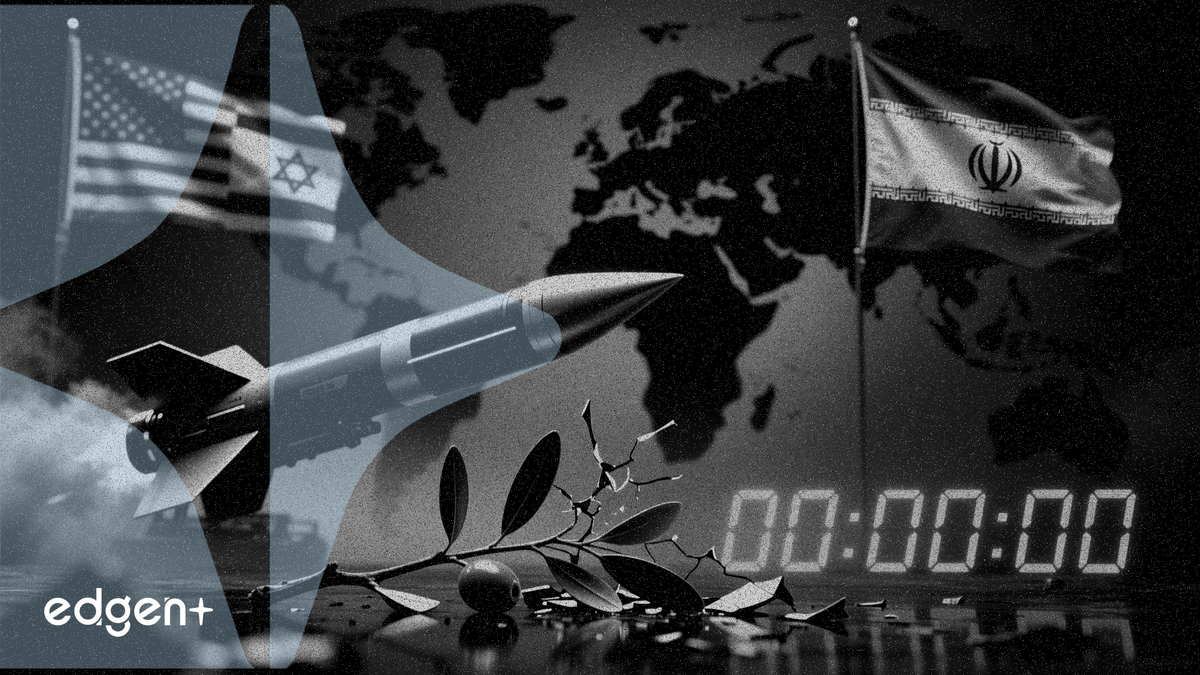
The Pentagon is preparing to resume military operations against Iran, with U.S. and Israeli forces potentially launching strikes as early as next week, according to sources in Washington. The move follows a breakdown in negotiations after President Donald Trump on Wednesday rejected Iran’s latest proposal to end the conflict as “garbage,” though he has not yet made a final decision on the next steps.
"We are in doubt about their seriousness," Iranian Foreign Minister Abbas Araghchi told reporters in New Delhi, adding that contradictory messages have "made us reluctant about the real intentions of Americans." He said negotiations would move forward if Washington was ready for a "fair and balanced deal."
The heightened tensions come as a fragile truce between Israel and Hezbollah in Lebanon, which was set to expire Sunday, was extended by 45 days after two days of talks in Washington. While the extension provides a temporary reprieve on Israel's northern border, the situation with Iran threatens to plunge the Middle East back into open conflict and exacerbate the worldwide energy crisis sparked by the war.
A renewed conflict would jeopardize the Strait of Hormuz, a critical chokepoint for global energy supplies where a fifth of the world's oil passed before the war. Iran’s continued control over the waterway and the ongoing U.S. blockade of Iranian ports have kept energy markets on edge, with a full-scale military confrontation likely to send crude prices sharply higher and pressure global stock markets.
Stalled Talks and Military Posturing
The diplomatic impasse centers on Iran's nuclear program. President Trump has demanded a complete rollback of Iran's nuclear activities, including the removal of all highly enriched uranium from the country. Iran maintains its program is for peaceful purposes and has called the issue of its enriched uranium stockpile one of the most difficult subjects in negotiations. The last time tensions reached a similar peak in the region, Brent crude futures jumped over 15 percent in a single week.
While the U.S. and Iran are at a standstill, other diplomatic channels are being explored. Iran’s foreign minister said Tehran would welcome diplomatic support from China, which previously helped restore ties between Iran and Saudi Arabia. However, Beijing has shown little public interest in getting more involved despite President Trump's suggestions that President Xi Jinping had offered to help.
Meanwhile, military activities in the region continue. The Israeli military said Friday it struck Hezbollah sites in southern Lebanon following hostile aircraft alerts. In a separate incident, a Chinese private security company reported losing communication with a vessel it operates, which was reportedly taken into Iranian waters for inspection, further highlighting the risks to maritime operations in the area.
This article is for informational purposes only and does not constitute investment advice.