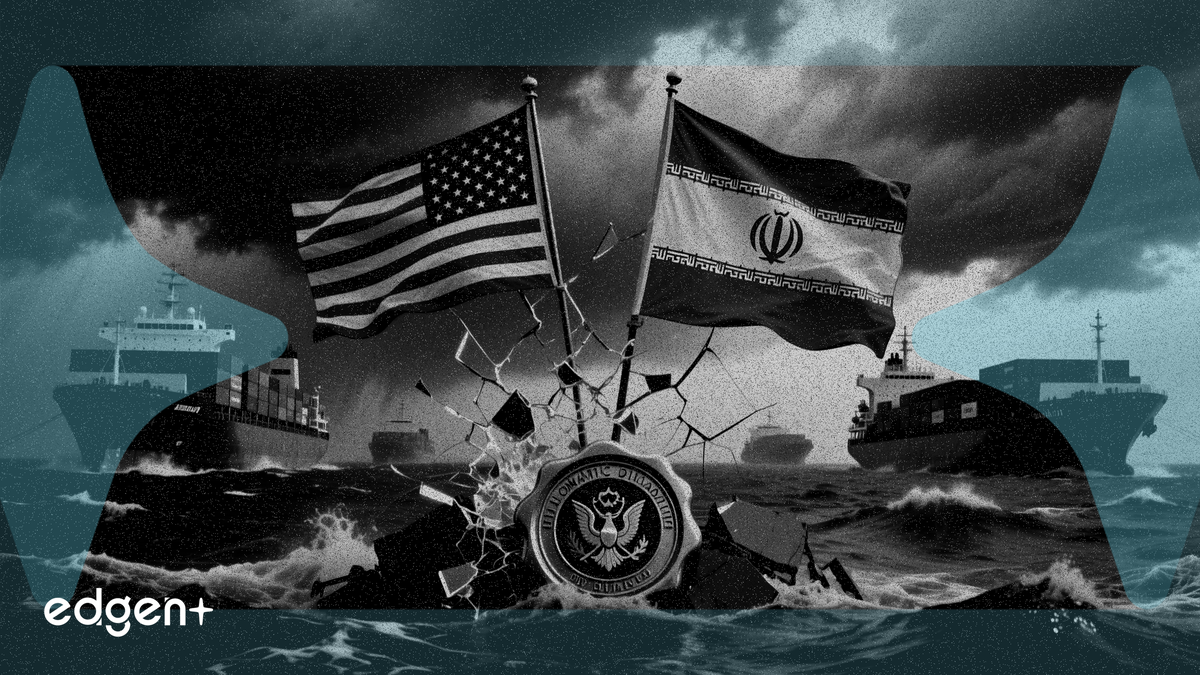
A fragile US-Iran diplomatic process was thrown into disarray after President Donald Trump abruptly canceled a high-stakes meeting in Pakistan, declaring the US holds “all the cards” in the escalating economic conflict.
The Trump administration escalated its economic pressure campaign on Iran, canceling a planned diplomatic mission to Pakistan on April 25 and tightening a naval blockade that has now redirected 37 ships, even as Washington claims the door for negotiation remains open on its terms. The move, which scuttled a visit by special envoy Steve Witkoff and Jared Kushner, introduces fresh volatility into a tense standoff that has significant implications for global energy prices.
"I’ve told my people a little while ago, they were getting ready to leave, and I said, ‘Nope, you’re not making an 18 hour flight to go there,’” President Trump told Fox News, adding, “They can call us anytime they want.”
The cancellation came as the US Navy intercepted the M/V Sevan, one of 19 vessels sanctioned Friday under the "Economic Fury" campaign, and the Treasury Department froze $344 million in Iran-linked cryptocurrency. In response, Iranian President Masoud Pezeshkian stated Tehran would not enter "forced negotiations" and demanded an end to the blockade before any dialogue could resume.
The diplomatic breakdown puts the global oil supply at risk, with the US naval blockade of the Strait of Hormuz — a chokepoint for 21% of the world's oil — now the primary tool of coercion. With oil waivers for Iran and Russia also ending, the administration's "haphazard" approach to sanctions creates significant uncertainty for energy markets heading into the summer.
A War of Words and Ships
President Trump attributed the cancellation to "tremendous infighting and confusion" within Iran's leadership, a claim that adds a psychological layer to the economic and military pressure. "Nobody knows who is in charge, including them," Trump posted on social media. He further claimed that Iran had presented a "much better" offer within minutes of his decision to cancel the trip, though he dismissed it as "not enough."
The US pressure campaign is multifaceted. The naval blockade, which began after a ceasefire in early April, has seen the US Navy redirect 37 ships and seize three that failed to comply. This action directly chokes Iran's main economic arteries. The latest round of sanctions, dubbed "Economic Fury" by the Treasury Department, aims to cripple Iran's ability to export propane and butane, further isolating it from international markets.
Tehran's Response
From Tehran's perspective, the US actions are a primary obstacle to diplomacy. President Pezeshkian's demand for the blockade to be lifted before talks is a non-starter for Washington, creating a classic diplomatic impasse. Iranian Foreign Minister Abbas Araghchi, who was in Pakistan for talks with mediators, left for Oman without meeting any US officials, stating he was waiting "to see if the U.S. is truly serious about diplomacy."
The situation is a high-stakes gamble for both sides. Iran's government, which faced significant domestic unrest over economic conditions just three months ago, is now using the conflict to rally nationalist sentiment. Tehran may be calculating that President Trump, facing his own domestic pressures with midterm elections looming, will eventually seek a deal.
The last time tensions flared this high in the Strait of Hormuz in 2019, oil prices spiked over 10% in a single day. While the market reaction has been more muted this time, the administration's unpredictable zigzag on sanctions and diplomacy leaves investors and allies on edge. The next move, as President Trump made clear, is up to Tehran to make.
This article is for informational purposes only and does not constitute investment advice.